

No products in the cart.
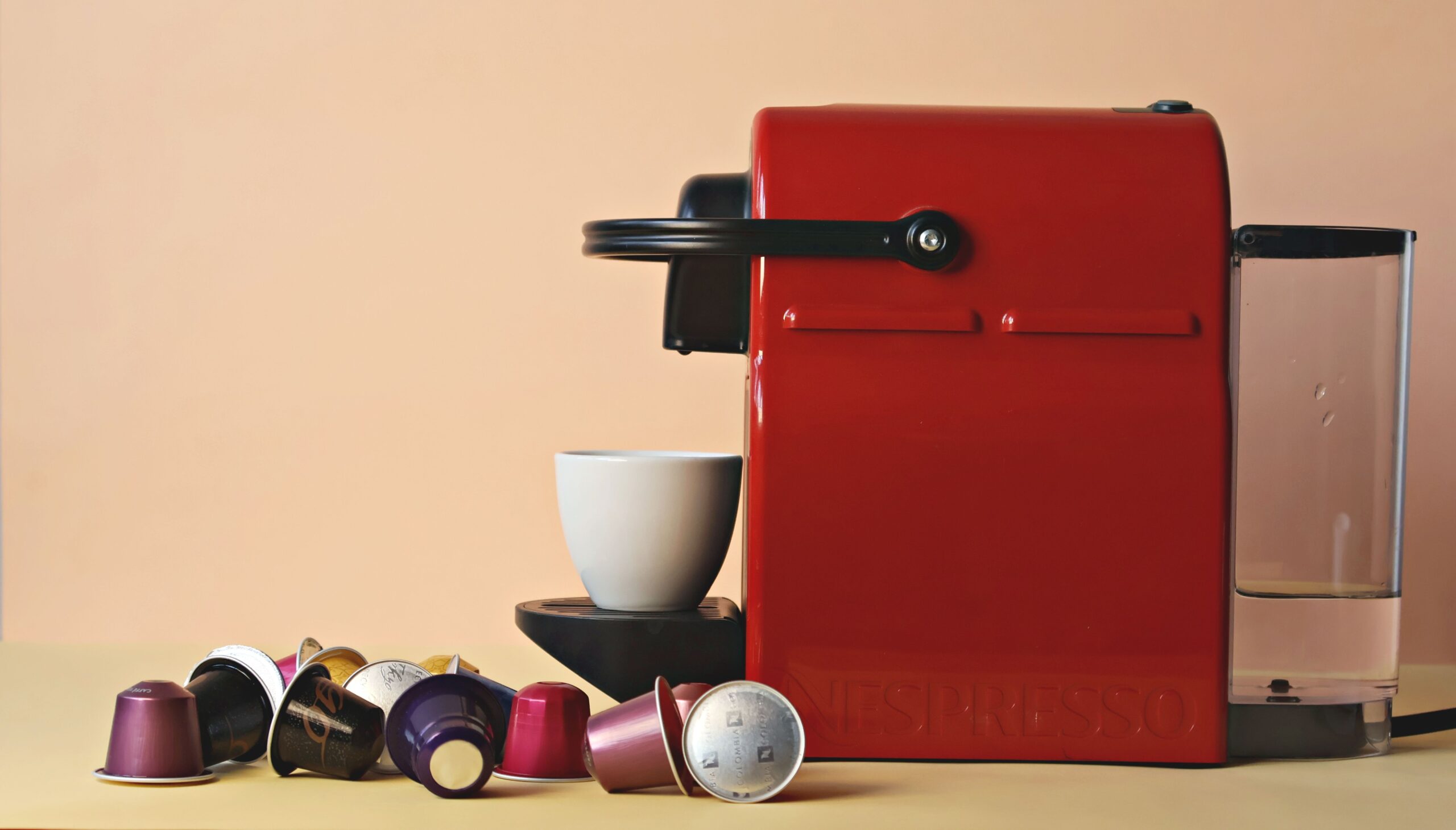
Commercial Espresso Machine vs Automatic Coffee Machine: Choosing the Right Tool for Your Business
This comparison comes up constantly in the early stages of planning a café or coffee program — and the answer genuinely depends on what kind of business you’re building. Both machine types produce coffee, both can serve customers, and both have real merits in the right context. The question is which one fits the role you actually need it to play.
The Core Difference
A commercial espresso machine puts the craft in the hands of the operator. The barista controls grinding, tamping, extraction, and milk texturing — every variable that shapes what ends up in the cup. Done well, this produces coffee that’s difficult to replicate any other way. Done inconsistently, it produces exactly that.
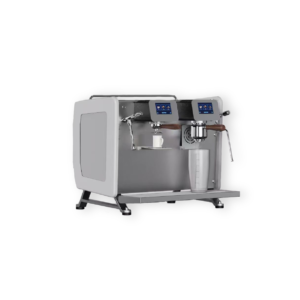
An automatic coffee machine removes most of that discretion. The user selects a drink, the machine executes a programmed recipe, and the result is the same regardless of who pressed the button. The tradeoff is that the quality ceiling is lower, and the machine can’t adapt in real time the way a skilled operator can.
Neither of these is a design flaw — they’re different tools built for different purposes.
When a Commercial Espresso Machine Is the Right Choice
For coffee shops, specialty cafés, premium bakeries, coffee carts, and restaurants where the quality of the cup is part of the brand promise, a commercial espresso machine is almost always the right call. The reason comes down to what customers actually expect when they walk in.
Someone ordering a flat white or a cortado at a café has calibrated expectations — espresso that’s been dialed in for the beans being used, milk that’s been properly textured, probably some degree of personalization. Automatic machines can approximate this, but they can’t replicate it. The gap becomes clearest at the edges: specialty preparations, latte art, adjustments for a particular customer’s preference, or the ability to respond when a batch of beans is pulling differently than expected.
The other dimension worth considering is competitive differentiation. In a crowded coffee market, craft is one of the more defensible advantages a small operator can hold. A barista who consistently produces excellent espresso is doing something that button-press automation simply cannot match — and customers register that, even when they can’t quite articulate why they prefer one café over another.
For more on evaluating commercial equipment choices for a growing café, the guide on the coffee machine for small business covers the long-term considerations in depth.
When an Automatic Machine Actually Makes More Sense
The flip side is equally real, and it’s worth taking seriously rather than dismissing. For offices, hotel lobbies, waiting rooms, convenience stores, and self-service environments, the priorities are genuinely different. A guest grabbing coffee between meetings isn’t expecting third-wave preparation — they want something hot, consistent, and ready quickly.
In these contexts, automatic machines deliver real advantages. Staff need minimal training. Every drink follows the same recipe regardless of who made it or when. Service is fast. And removing the skilled barista requirement simplifies both labor costs and daily operations in meaningful ways.
The key is being clear-eyed about what role coffee plays in your specific business model. For an office it’s a staff amenity; for a hotel lobby it’s a convenience service. In neither case is the quality ceiling of an automatic machine a significant limitation, because customer expectations are calibrated accordingly. Trying to run a craft espresso program in a self-service context adds complexity without necessarily adding value for the people using it.
What Each Machine Category Actually Does Better
The Case for Commercial Espresso
Output quality and control. A well-operated commercial machine, using properly sourced beans and a competent barista, can produce espresso that automatic systems genuinely cannot replicate at the top end. The ability to fine-tune extraction, respond to daily grind variation, and adjust for feedback in real time is what separates craft coffee from commodity coffee — and it’s inherent to the format.
Menu flexibility. Commercial espresso machines support a wider range of drinks, not just in recipe variety but in quality of execution. Milk-based drinks, cold preparations, seasonal offerings, and specialty beverages all come more naturally from a platform designed for human craft than from one running fixed programs.
Scalability as volume grows. Commercial machines are built for continuous high-volume use and can grow with a business. If you’re not sure whether your current or projected volume actually justifies commercial equipment, How Many Cups Per Day Justify a Commercial Espresso Machine? lays out the relevant thresholds clearly.
The Case for Automatic Machines
Operational simplicity. No training overhead, no quality variation between operators, no dependency on experienced barista staff. In businesses managing high staff turnover or tight labor budgets, these are meaningful structural advantages.
Consistency on demand. Every drink matches the programmed recipe, regardless of staffing conditions. There’s no good shift or bad shift — the machine executes the same way every time. For certain business models, that predictability is worth more than a higher quality ceiling.
Speed. In self-service or high-throughput contexts, getting a consistent drink in under a minute with minimal staff involvement is a genuine advantage.
The Comparison That Actually Matters for Café Owners
For independent cafés, the decision usually isn’t truly between commercial and automatic — it’s between different commercial setups. If you’re opening a coffee shop, you almost certainly need a commercial espresso machine; the real question is which type and what capacity makes sense for your volume and growth trajectory. The guide on what size espresso machine does a coffee shop need covers that decision specifically.
Where the commercial vs automatic question gets more genuinely interesting is for hybrid businesses — restaurants that want to offer good coffee without building a full barista program, bakeries where coffee complements food sales but isn’t the primary draw, or offices that want to upgrade from pod machines without adding complexity. In those cases, honestly weighing both categories makes sense rather than defaulting to whichever sounds more professional.
An automatic machine with quality beans and a proper grinder can produce quite good results, and the operational simplicity may be worth more than the quality gap depending on what your customers actually care about.
Thinking Through the Cost
Purchase price is the obvious starting point, but the fuller picture includes labor, training, maintenance, and the business value each machine creates. A commercial espresso machine requires ongoing investment in barista skill; an automatic machine trades that for higher upfront cost and simpler day-to-day operation.
Neither structure is inherently more expensive — it depends on your staffing model and what the output is worth to the customers you’re serving. For a detailed breakdown of commercial equipment pricing across tiers:
How Much Does a Commercial Espresso Machine Cost in 2026?
What the Industry Emphasizes
The Specialty Coffee Association frames equipment selection around consistency, workflow efficiency, and the ability to deliver quality coffee experiences reliably over time — dimensions that matter regardless of which machine category you’re evaluating:
Market data and industry insights from the National Coffee Association:
Commercial Equipment Worth Considering
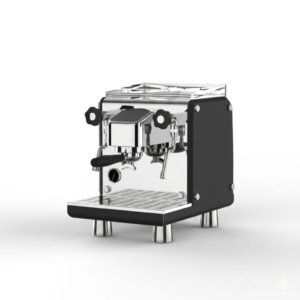
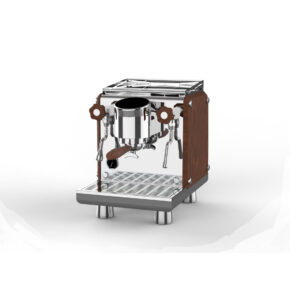
If you’re building a café, specialty coffee shop, or premium beverage business and the commercial espresso route is clearly the right path, this collection covers machines designed for coffee shops and small businesses across different volume requirements:
https://westeez.com/product-category/commercial-espresso-machines-for-cafes-businesses
The Bottom Line
The commercial espresso vs automatic question is really a question about what kind of business you’re running and what coffee means within it.
If quality is central to your customer experience — if it’s part of why people choose you — a commercial espresso machine is almost always the right investment. The control, flexibility, and quality ceiling it provides are genuinely difficult to replicate through automation, and customers notice the difference even when they can’t describe it.
If coffee is a supporting service rather than a core offering, automatic machines often represent the better operational fit: simpler, more consistent in non-specialist hands, and less dependent on ongoing management.
The right answer isn’t about which machine is objectively superior. It’s about which one fits the business you’re actually building — and being honest about that from the start saves a lot of costly course-correcting later.
Add comment
You must be logged in to post a comment.