

No products in the cart.
What It Actually Costs to Open a Coffee Shop in 2026
The startup cost numbers people throw around for coffee shops vary enormously — and both the optimistic and pessimistic versions tend to miss what actually determines where on that range you’ll land. This guide breaks down the real cost categories, what drives them up or down, and where the decisions that matter most tend to get made.
The Range You’re Working With
Total startup costs depend heavily on format, location, and how you approach equipment and fit-out. Here’s how the major formats typically play out:
- Small coffee kiosk: $15,000–$50,000
- Small café: $50,000–$150,000
- Medium-sized coffee shop: $150,000–$300,000+
- Premium café in a prime location: $300,000–$500,000+
For most independent coffee shops, the realistic planning range sits between $75,000 and $200,000. The wide spread isn’t vagueness — it genuinely reflects how much choices about location, buildout scope, and equipment tier affect the final number. Two cafés with nearly identical concepts can end up at very different costs based entirely on real estate and fit-out decisions.
Rent and Location: Your Largest Fixed Commitment
Rent is almost always the largest ongoing expense, and one of the least flexible once you’ve signed. The factors that move it most are city, neighborhood, square footage, foot traffic, and lease terms — roughly in that order of impact.
Rough benchmarks to plan around:
- Smaller cities and secondary locations: $1,500–$4,000 per month
- Major metropolitan areas and high-traffic zones: $5,000–$15,000+ per month
The right way to evaluate a location isn’t just the monthly figure — it’s the monthly figure against realistic daily revenue. A $6,000/month rent in a location generating 150 transactions a day is a fundamentally different business from the same rent with 60 daily transactions. Before signing, build conservative customer volume projections based on actual foot traffic counts and comparable nearby businesses, not aspirational ones.
One thing worth knowing: rent often has more room to negotiate than first-time operators expect, particularly on lease length, tenant improvement allowances, and rent-free periods during fit-out.
Equipment: The Investment That Shapes Daily Operations
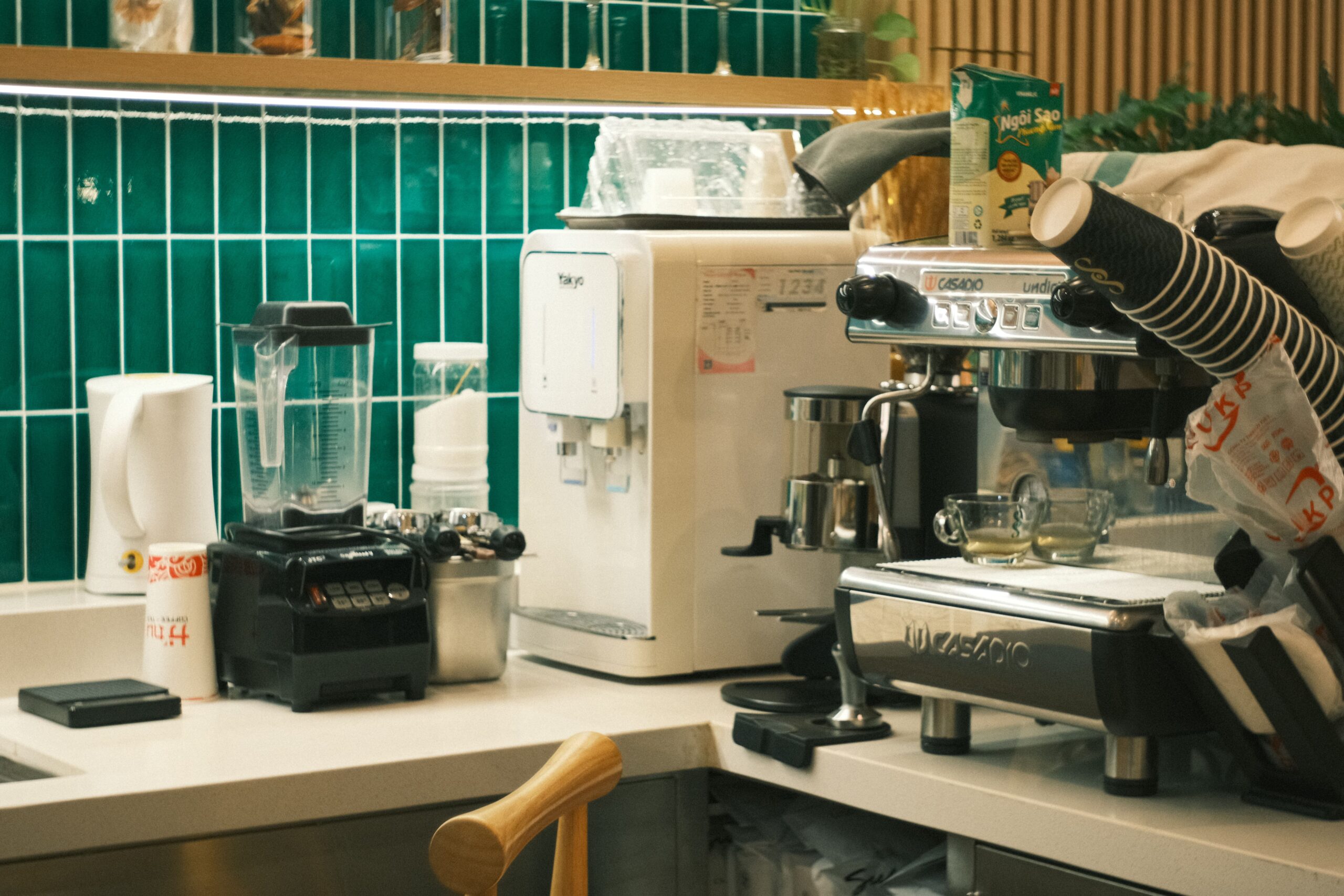
Equipment is where the difference between a well-planned café and a constantly-struggling one often shows up most directly. Here’s a realistic breakdown of the major items:
| Equipment | Estimated Cost |
|---|---|
| Commercial Espresso Machine | $2,000–$15,000+ |
| Coffee Grinder | $500–$3,000 |
| Water Filtration System | $300–$2,000 |
| Refrigerator | $800–$5,000 |
| Ice Machine | $1,000–$5,000 |
| POS System | $500–$3,000 |
| Furniture and Fit-out | $2,000–$20,000 |
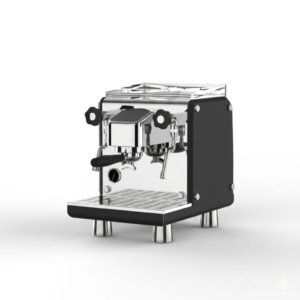
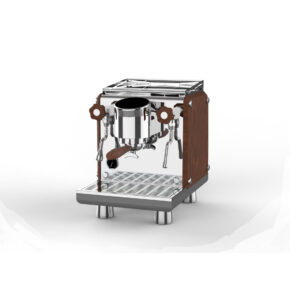
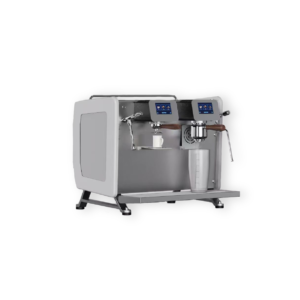
The espresso machine deserves particular attention because it’s not just a line item — it affects service speed, drink quality, staff workflow, and maintenance requirements every single service hour. Under-buying here to reduce upfront cost is one of the most consistent expensive mistakes new café owners make, because the repair and replacement cycle on consumer-grade equipment in a commercial environment tends to be fast and poorly timed.
For cafés built around espresso-based drinks, starting with commercial-grade equipment almost always works out cheaper over a three-to-five year horizon than starting lower and upgrading after problems emerge under service pressure.
Browse commercial espresso machines designed for café operations: https://westeez.com/product-category/commercial-espresso-machines-for-cafes-businesses/
Staffing: The Cost That Compounds
Labor costs can surprise new owners who haven’t run payroll before. The visible costs are wages and salaries. The less visible ones — payroll taxes, onboarding time, training investment, and the productivity gap while new staff find their feet — accumulate quickly.
Many first-time café owners work the floor themselves during launch to reduce payroll pressure while volume builds. That’s a reasonable strategy, but it’s worth planning the transition to a full team explicitly rather than letting it drift indefinitely — owner-operated is rarely a sustainable model for cafés that want to grow.
Worth considering early: the cost of hiring and training the wrong barista is higher than it looks. Turnover in coffee is high, and bringing in someone genuinely experienced from the start — even at a higher wage — often costs less in total than cycling through cheaper hires who don’t work out.
Licenses and Permits: Plan for the Timeline, Not Just the Fee
The permit costs themselves — typically $500–$5,000 depending on location — are manageable within most startup budgets. What catches people off guard is the process. Health inspections, fire safety approvals, and food service permits often take significantly longer than expected, and delays can compress your opening timeline in ways that create real financial pressure.
The practical move here is to start the permit process earlier than feels necessary, build a buffer into your opening timeline, and verify local requirements specifically — categories vary enough between jurisdictions that generic checklists can mislead.
Marketing and Branding: Necessary, but Easy to Overspend On
Initial branding and marketing — logo, website, photography, signage, grand opening — typically runs $1,000–$10,000 for an independent café. The range reflects genuine variation in approach: some well-executed launches run on modest budgets, while others spend significantly and see comparable or worse results.
What tends to matter more than spend level is consistency and authenticity. A coherent visual identity, a clean functional website, and an active social presence from before opening day are worth more than a large campaign budget. For most neighborhood cafés, word-of-mouth and community engagement are still the primary growth engine — and those are built through the experience you deliver in the cup and across the counter, not through the marketing line item.
Where First-Time Owners Tend to Get It Wrong
Common overspends: More space than the business needs in year one, interior fit-out taken further than the format requires, marketing spend deployed before the product experience is actually solid.
Common underspends: Coffee equipment (chosen on price rather than operational requirements), water filtration (it affects both coffee quality and machine longevity in ways that show up as ongoing costs), and the initial training investment for staff.
The equipment point keeps coming up for a reason: a machine that can’t handle your peak volume is a constraint that affects every service hour of every operating day. Buying slightly more capacity than you immediately need is generally worthwhile. Buying the minimum and hoping it holds is a pattern that tends to end in emergency decisions made under the worst possible pressure.
Choosing the Right Coffee Machine
Among all the equipment decisions, the espresso machine tends to have the widest impact on daily operations and the most downstream consequences if chosen poorly. Key considerations include daily cup volume, counter space, staff experience level, drink menu, and ongoing maintenance requirements.
For a detailed guide to navigating this specific decision:
Best Coffee Machine for Small Business: https://westeez.com/best-coffee-machine-for-small-business/
Putting It Together
Opening a coffee shop in 2026 is achievable across a wide range of budgets — the format and location choices do most of the work in determining where on that range you land. Beyond location, the decisions that matter most tend to cluster around equipment quality and staying operationally lean in the early months while the business finds its rhythm.
A realistic budget built around actual local costs — real rent quotes, genuine equipment pricing, honest staffing numbers — is worth far more than a template spreadsheet filled in with national averages. Most coffee shops that struggle financially in year one do so because the planning assumptions were too optimistic, not because the underlying business model was flawed. The planning work is worth doing carefully.
Add comment
You must be logged in to post a comment.