

No products in the cart.
Commercial Espresso Machine vs Automatic Coffee Machine: A Practical Comparison for Business Owners
Most business owners considering coffee equipment arrive at the same fork: a commercial espresso machine that requires trained staff, or an automatic system that largely runs itself. Both are legitimate answers to a legitimate problem — the question is which problem you actually have.
This guide works through the key dimensions of comparison — quality, speed, training burden, cost, and revenue potential — to help match the right equipment to your specific business context.
If you’re still working through the broader equipment decision, the guide on the coffee machine for small business covers the full landscape before narrowing in on this particular choice.
What Each Type of Machine Is
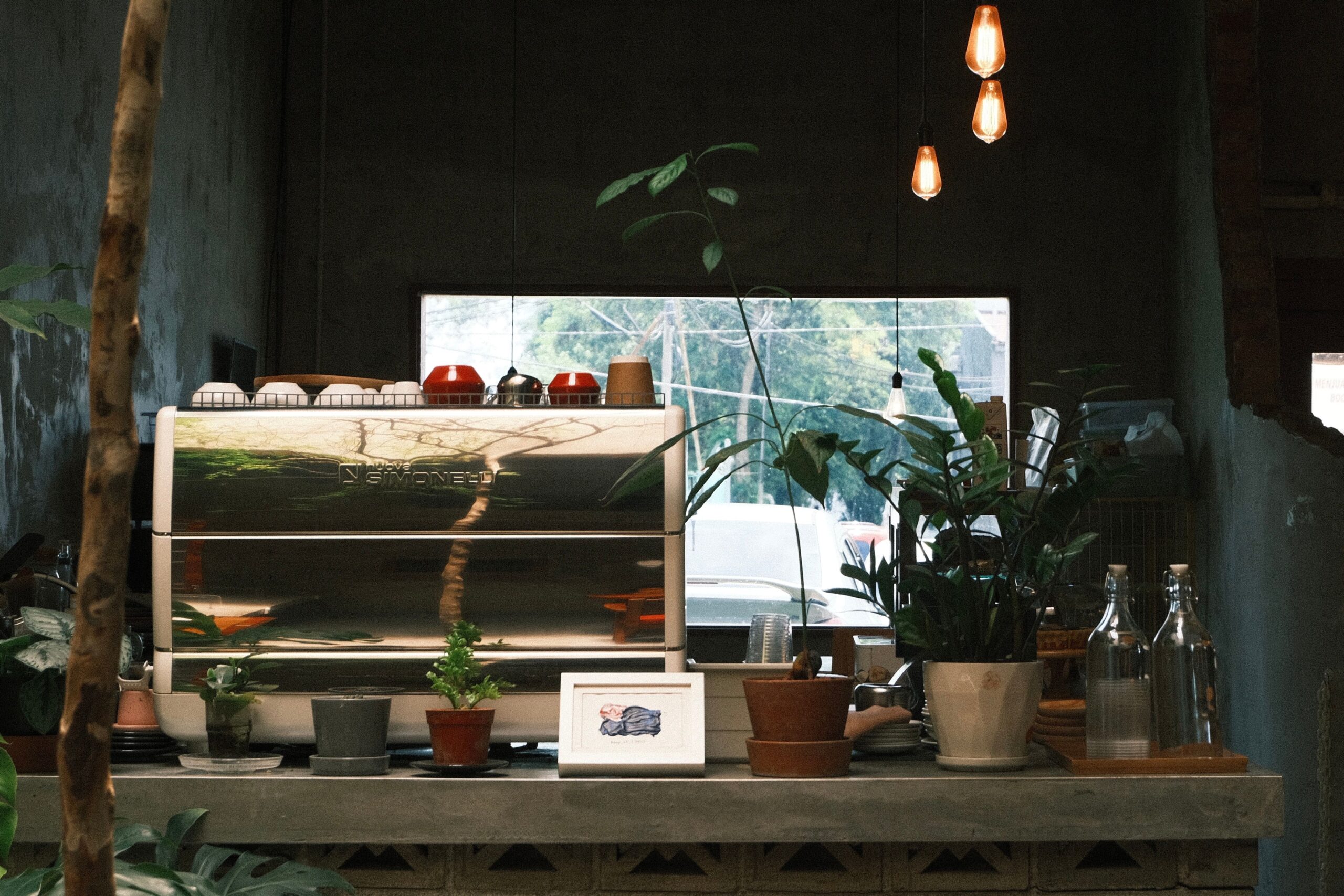
A commercial espresso machine is a professional brewing platform that puts control in the hands of the operator. The barista manages extraction, milk texturing, and drink preparation — the machine provides the environment for doing that work well. Cafés, specialty coffee shops, and premium food service businesses use these because craft and quality control matter to their customers.
An automatic coffee machine — bean-to-cup systems, fully automatic espresso units, office coffee machines — handles most of the brewing process itself. The user selects a drink and the machine executes it. Grinding, brewing, and in many cases milk frothing happen with minimal human input. These are the machines you typically find in hotel breakfast areas, corporate offices, and self-service environments.
For a closer look at commercial espresso machines and how they compare across the market:
Best Coffee Machine for Small Business in 2026
https://westeez.com/best-coffee-machine-for-small-business
Coffee Quality: Where the Gap Is Real and Why
This is the dimension where the two categories diverge most significantly, and it’s worth being specific about the mechanism.
A commercial espresso machine operated by a competent barista can produce espresso, milk-based drinks, and specialty beverages at a level that automatic systems genuinely cannot replicate. The control over extraction variables — temperature, pressure, timing, grind size — allows a skilled operator to adapt in real time: adjusting for a new bag of beans, responding to how shots are pulling on a particular day, compensating for changes in ambient humidity. That responsiveness is inherent to the format and cannot be programmed away.
Automatic machines produce consistent results — every drink follows the same recipe — but consistency and quality are different things. The output ceiling is set by the machine’s programming, and that ceiling sits noticeably below what a well-operated commercial setup can achieve at its best. For businesses competing partly on coffee quality, this gap shows up directly in how customers perceive and talk about the experience.
In lower-stakes environments where “drinkable and reliable” is the actual goal rather than “exceptional,” the quality gap matters far less and may not justify the operational complexity of commercial equipment.
Speed and Throughput Under Pressure
A two-group commercial espresso machine with an experienced barista can produce dozens of drinks per hour and sustain that output through a prolonged rush — while still handling complex orders, customizations, and variations in drink style. The throughput potential is high, and so is the flexibility.
Automatic machines can also serve drinks quickly and in some configurations can operate entirely without staff involvement. For self-service environments or contexts where labor availability is a genuine constraint, that autonomy has real operational value.
The practical distinction is in how each type of speed is useful. Commercial machines are fast when the demand requires both speed and quality simultaneously — busy morning rushes, concurrent orders, high-expectation customers. Automatic machines are fast when demand is steady and predictable but doesn’t require craft or customization.
Related:
How Many Cups Per Day Justify a Commercial Espresso Machine?
Staff Training: A Real Ongoing Investment
Commercial espresso machines require trained operators — barista skills, milk steaming technique, understanding how to read and adjust extraction. This is a genuine learning curve and a recurring cost as staff turn over. The Specialty Coffee Association sets the professional standard for this kind of training and their resources are worth bookmarking if you’re building a coffee program:
Automatic machines require minimal training beyond basic cleaning procedures. This is a legitimate advantage in high-turnover environments or businesses where coffee is an ancillary service. The tradeoff is that the machine’s performance ceiling is fixed regardless of who operates it — the same result whether the person pressing the button has ten years of coffee experience or none.
Cost: Beyond the Purchase Price
Commercial espresso machines typically fall into these tiers:
- Entry-level: $1,500–$3,000
- Mid-range: $3,000–$8,000
- Premium: $8,000+
Automatic coffee machines range from:
- Small office models: $500–$2,000
- Commercial bean-to-cup systems: $2,000–$10,000+
Purchase price alone is an incomplete comparison for either category. Commercial machines carry ongoing labor and training costs; automatic systems may come with higher maintenance requirements and — importantly — lack the menu flexibility to support premium drink pricing. The more useful comparison isn’t machine cost against machine cost, but total cost against total revenue potential given your specific business model and customer expectations.
For a detailed breakdown of commercial equipment pricing across tiers:
How Much Does a Commercial Espresso Machine Cost in 2026?
Revenue Potential and Profitability
For businesses built around coffee, this dimension tends to be the deciding one. Industry tracking from the National Coffee Association consistently identifies specialty coffee as one of the fastest-growing segments of the market — and that growth is concentrated in businesses investing in quality:
Commercial espresso machines support premium drink pricing, broader menus, and the kind of customer experience that drives repeat visits. These factors compound: better coffee builds better reviews, which drives more foot traffic, which amplifies the return on every quality investment.
Automatic machines support lower price points and simpler menus. That’s appropriate for the contexts where they fit, but it’s a real constraint for any business trying to build a coffee identity or compete on beverage quality.
Matching the Machine to the Business
Independent cafés and specialty coffee businesses are almost always better served by a commercial espresso machine. The quality ceiling, menu range, and revenue potential are difficult to replicate through automation, and the advantages compound as the business builds a loyal customer base.
Offices, hotels, waiting areas, and self-service environments typically fit better with automatic machines. The priorities in these contexts — consistency, minimal training overhead, low day-to-day management — align naturally with what automatic systems do well.
Hybrid businesses — a restaurant wanting good coffee without a full barista program, a bakery where coffee supports food sales — need to be honest about how central coffee quality actually is to their customer value proposition. If it’s genuinely secondary, automatic is the simpler path. If customers are partly choosing the business because of the coffee, commercial equipment earns its place.
For cafés working through the specific size question:
What Size Espresso Machine Does a Coffee Shop Need?
Common Questions
Is a commercial espresso machine better than an automatic one for a café? For most café environments, yes — the quality difference, menu flexibility, and revenue potential are significant and tend to compound. The advantage depends on having trained operators, which is itself an ongoing investment to plan for.
Can automatic machines work in a café setting? They can function in low-volume or low-expectation environments, but they tend to fall short of what specialty coffee customers expect. The contexts where they genuinely work well in food service are ones where speed and consistency matter more than craft.
Which option requires less staff training? Automatic machines, significantly. That’s a genuine operational advantage in the right context — and worth factoring into the total cost comparison even for businesses that ultimately choose commercial equipment.
Which generates better profit margins? Commercial espresso machines typically support higher drink pricing and stronger customer retention. The margin advantage is real, but it’s contingent on having the volume and execution quality to support those price points — it doesn’t materialize automatically.
Add comment
You must be logged in to post a comment.