

No products in the cart.
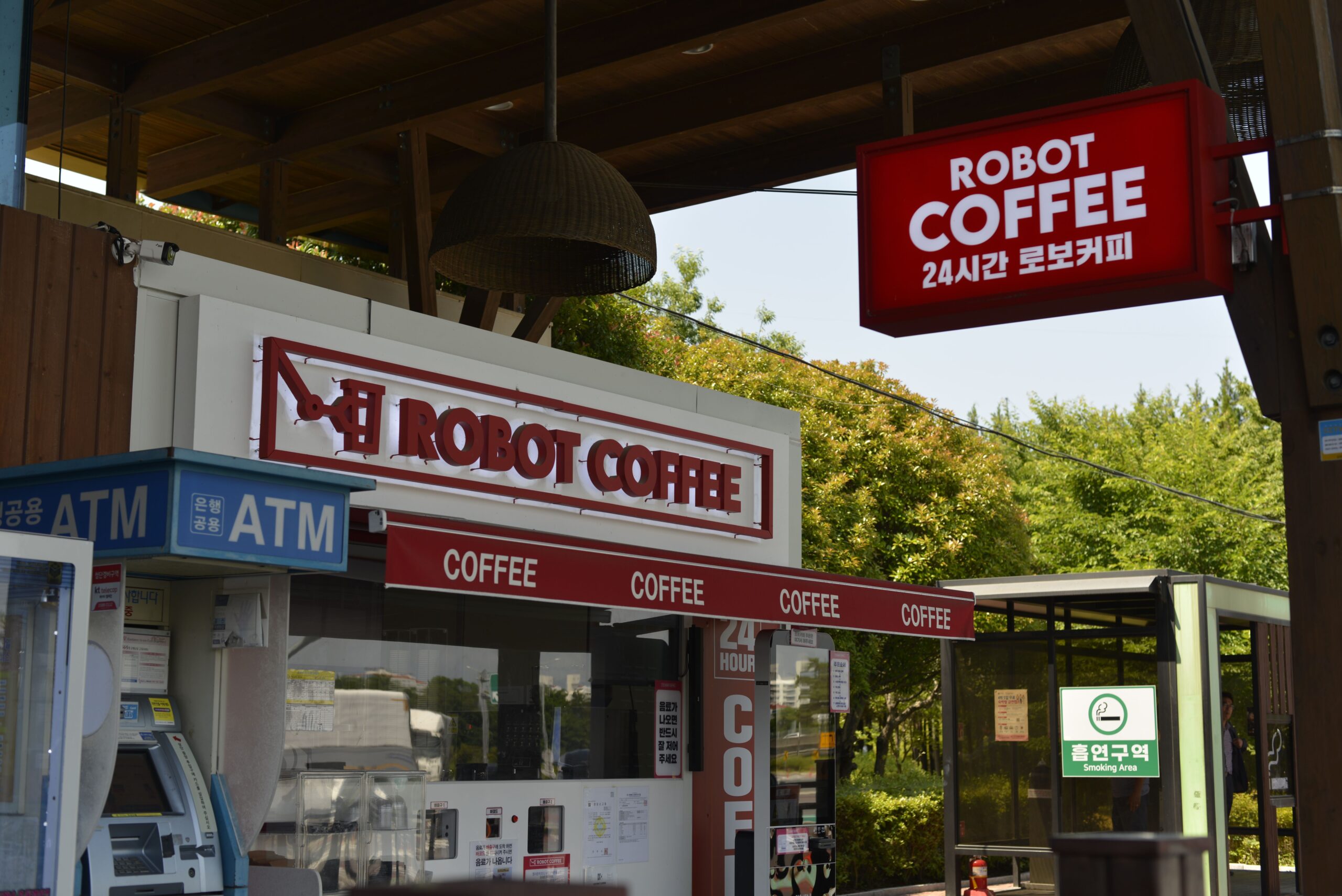
How Much Does It Cost to Open a Coffee Shop in 2026? (Complete Startup Budget Guide)
Starting a coffee shop remains one of the most exciting small business opportunities in 2026. However, one of the first questions aspiring café owners ask is: How much does it actually cost to open a coffee shop?
The answer depends on your location, business model, shop size, and equipment choices. According to industry data from the Specialty Coffee Association and other coffee business resources, startup costs can range from $20,000 for a small kiosk to over $300,000 for a full-service café.
In this guide, we’ll break down the major expenses involved and show you how to create a realistic coffee shop startup budget.
Coffee Shop Startup Cost Overview
Here’s a general estimate of coffee shop startup costs in 2026:
| Expense Category | Estimated Cost |
|---|---|
| Business Registration & Permits | $500 – $5,000 |
| Lease & Deposits | $5,000 – $50,000 |
| Renovation & Interior Design | $10,000 – $100,000 |
| Commercial Espresso Machine | $2,000 – $20,000+ |
| Coffee Grinder | $500 – $5,000 |
| Refrigeration Equipment | $1,000 – $10,000 |
| POS System | $500 – $3,000 |
| Furniture & Fixtures | $3,000 – $30,000 |
| Initial Inventory | $1,000 – $10,000 |
| Marketing & Branding | $1,000 – $10,000 |
Estimated Total: $20,000 – $300,000+
1. Commercial Espresso Machine Costs
Your espresso machine is the heart of your coffee business.
For startup cafés, investing in reliable commercial equipment is critical because poor-quality machines can lead to downtime, inconsistent drinks, and expensive repairs.
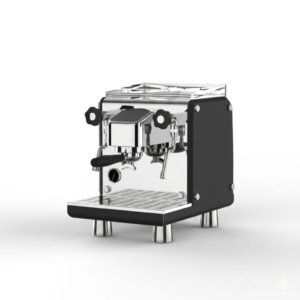
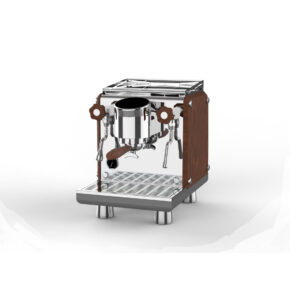
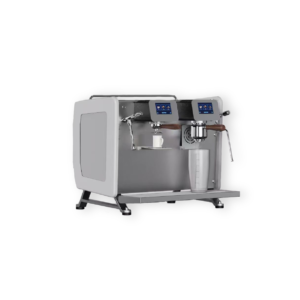
At Westeez, our commercial espresso machines are designed for growing cafés that need professional performance without the excessive price tags often associated with premium European brands.
For example:
- Westeez JC-128 Commercial Double Head Espresso Machine
- Westeez KY-168 Commercial Espresso Machine
- Westeez KY-T22 Espresso Machine
Browse our full collection here:
Most new cafés should budget:
- Entry-Level Commercial Machines: $2,000–$5,000
- Mid-Range Machines: $5,000–$10,000
- High-Volume Professional Machines: $10,000–$20,000+
2. Coffee Grinder Costs
Many new café owners underestimate the importance of a grinder.
A quality grinder often has a greater impact on espresso consistency than the machine itself.
Typical commercial grinder pricing:
- Entry-Level: $500–$1,500
- Professional: $1,500–$3,500
- High-Volume Specialty Coffee: $3,500+
If you’re still planning your equipment list, check out our guide:
Top 3 Must-Have Coffee Shop Equipment for Startup Cafes
3. Lease and Renovation Expenses
Rent varies dramatically by location.
Typical monthly rent:
- Small Town: $1,000–$3,000
- Suburban Area: $2,000–$8,000
- Downtown City Location: $5,000–$20,000+
Many landlords require:
- First month’s rent
- Last month’s rent
- Security deposit
This means you may need three to six months of rent upfront before opening.
Renovation costs can quickly exceed expectations, especially when plumbing and electrical upgrades are required for commercial espresso equipment.
4. Licenses, Permits, and Legal Fees
Common requirements include:
- Business license
- Food service permit
- Health inspection
- Sales tax registration
- Insurance
Requirements vary by location, so check with your local authorities before finalizing your budget.
For industry guidance and professional resources, the Specialty Coffee Association provides valuable information for café operators:
5. Furniture and Customer Seating
Furniture expenses depend on your business model.
Typical costs include:
- Tables
- Chairs
- Bar stools
- Outdoor seating
- Service counters
Most coffee shops spend between $3,000 and $30,000 on furnishings.
If you’re creating an Instagram-friendly environment, expect higher design costs.
6. Inventory and Consumables
Initial inventory generally includes:
- Coffee beans
- Milk
- Syrups
- Cups
- Lids
- Napkins
- Cleaning supplies
Many startup cafés budget $1,000–$10,000 for opening inventory.
As your customer volume grows, inventory management becomes increasingly important for maintaining profitability.
7. Marketing and Brand Development
Launching without marketing is one of the most common mistakes new café owners make.
Your marketing budget may include:
- Logo design
- Website development
- Photography
- Social media advertising
- Google Ads
- Local promotions
The National Coffee Association regularly publishes consumer trends that can help coffee businesses understand customer behavior and market demand:
Sample Coffee Shop Budget Scenarios
Small Coffee Kiosk
- Equipment: $8,000
- Rent & Deposits: $5,000
- Inventory: $2,000
- Marketing: $1,000
Estimated Total: $16,000–$30,000
Neighborhood Café
- Equipment: $20,000
- Renovation: $30,000
- Furniture: $10,000
- Inventory: $5,000
Estimated Total: $75,000–$150,000
Full-Service Specialty Coffee Shop
- Premium Equipment: $40,000+
- Build-Out: $100,000+
- Furniture: $20,000+
- Inventory: $10,000+
Estimated Total: $200,000–$300,000+
How to Reduce Coffee Shop Startup Costs
Many successful café owners reduce startup expenses by:
- Choosing reliable equipment with strong value-for-money ratios
- Starting with a smaller menu
- Leasing a partially finished commercial space
- Purchasing only essential equipment initially
- Expanding after generating consistent revenue
A carefully planned equipment strategy can significantly improve your return on investment during the first year.
Final Thoughts
So, how much does it cost to open a coffee shop in 2026?
For most entrepreneurs, a realistic startup budget falls between $50,000 and $150,000, though smaller concepts can launch for less and premium cafés may require significantly more capital.
The most important investment remains your core coffee equipment. Reliable espresso machines and grinders directly impact beverage quality, customer satisfaction, and long-term profitability.
If you’re currently planning your café equipment setup, explore Westeez’s commercial coffee equipment solutions to find machines designed for startups, growing coffee shops, and high-volume operations.
Start here:
2 comments
Pingback:
Best Coffee Machine for Restaurant in 2026 | Commercial Espresso Machine Buying GuidePingback:
Best Coffee Machine for Small Business in 2026 | Buyer's Guide & Café Equipment