

No products in the cart.
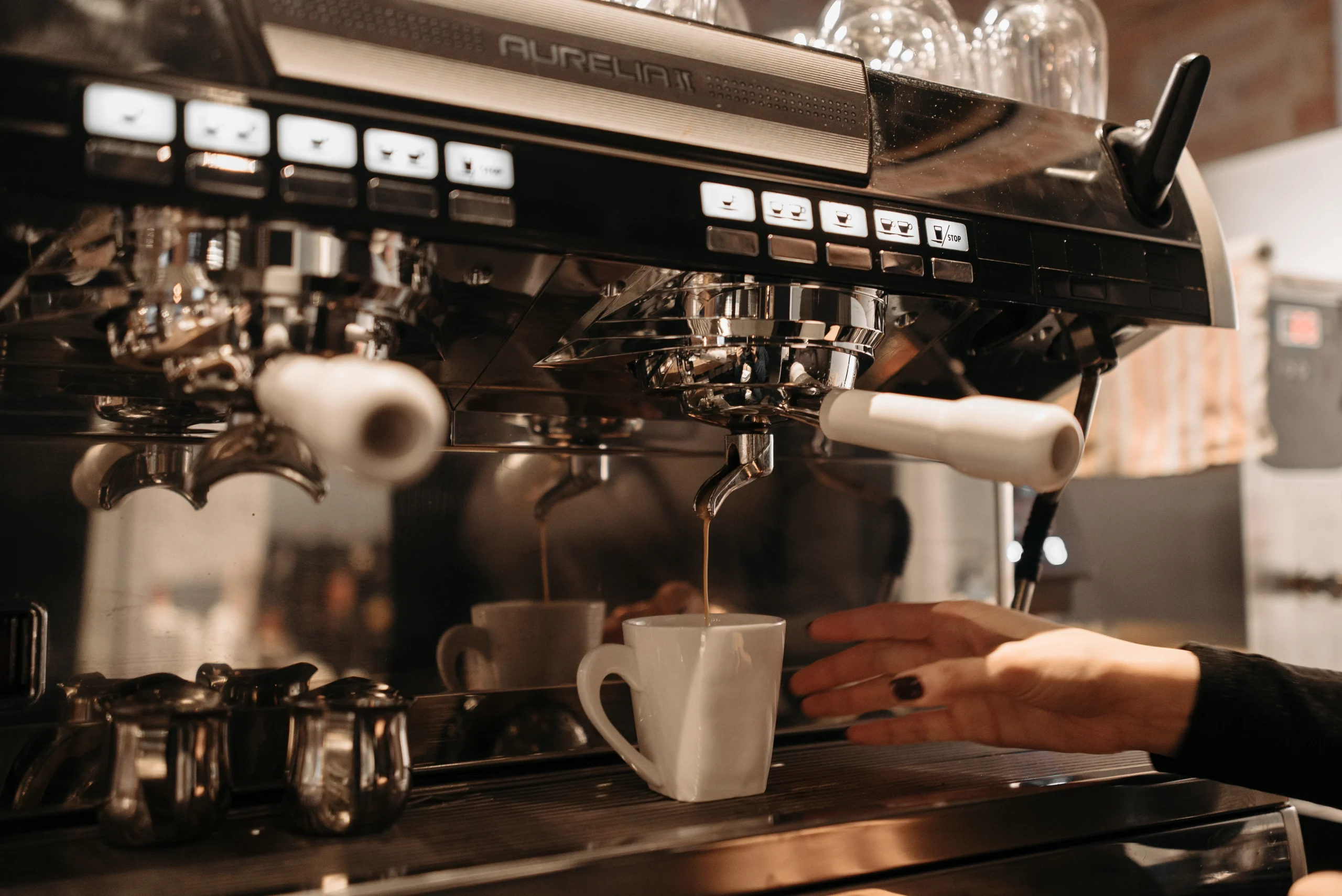
How Long Do Commercial Espresso Machines Last? A Complete Lifespan Guide for Cafés
Before you spend $1,500 or $3,000 on a commercial espresso machine, it’s a reasonable question to ask: how long is this actually going to last? The honest answer is that a well-chosen, well-maintained machine can serve a café reliably for a decade or more — but “well-maintained” is doing a lot of work in that sentence, and the range between a machine that lasts seven years and one that lasts fifteen often comes down to decisions made in the first few months of ownership.
What the Numbers Actually Look Like
Most commercial espresso machines fall into a lifespan range of 7–10 years under regular commercial use, extending to 10–15 years with proper maintenance and professional servicing. Premium machines with quality components can go longer. The Specialty Coffee Association notes that routine maintenance and consistent cleaning are among the most significant factors in extending equipment life — which is worth taking seriously, because the difference between the low and high end of that range is almost entirely within the owner’s control.
Age matters less than you’d think. A five-year-old machine that’s been properly maintained will outperform a two-year-old machine that’s been neglected, almost without exception.
What Actually Determines How Long Your Machine Lasts
Build quality sets the ceiling. Machines built with stainless steel frames, commercial-grade boilers, professional pumps, and durable group heads simply have more longevity built into them from the start. This is one of the clearest arguments for buying commercial-grade equipment rather than a high-end consumer machine — the internal components are designed for continuous daily use, and that difference shows up over years of service, not weeks.
Daily volume determines the wear rate. A machine pulling 50 drinks a day lives a very different life than one handling 400. High-volume operations put sustained stress on boilers, pumps, steam systems, and electronics in ways that accelerate component wear. Matching the machine’s rated capacity to your actual output isn’t just about performance — it’s about not burning through equipment faster than necessary.
Water quality is the most underestimated factor. Hard water causes scale buildup inside boilers and heating elements, reduces efficiency, and causes damage that shortens machine life considerably. The National Coffee Association recommends maintaining clean water systems for both coffee quality and equipment performance, and a proper filtration setup is genuinely one of the best investments a café can make alongside the machine itself. It’s not glamorous, but it matters.
Maintenance is where most of the lifespan difference comes from. Daily cleaning — group heads, steam wands, drip trays, backflushing — prevents the coffee oil buildup and residue accumulation that degrades both flavor and components over time. Weekly and monthly deeper maintenance, plus periodic professional inspections, catches small issues before they become expensive repairs. The cafés getting 15 years out of their machines aren’t doing anything miraculous; they’re just consistent.
Signs the Machine Is Starting to Go
Even equipment that’s been well cared for eventually shows its age. Inconsistent espresso extraction despite correct grinding and tamping often means internal components are wearing down. Longer heat-up times point to heating or boiler issues. Weak steam pressure usually indicates wear in the steam system or scale buildup that’s progressed further than routine descaling can address. And if you’re calling the technician every few months, the repair cost calculation starts to shift — at some point, replacement becomes more economical than continued servicing.
None of these are automatic death sentences for a machine, but they’re worth paying attention to rather than working around.
Making the Investment Last
The practical steps aren’t complicated. Use filtered water. Clean the machine daily without skipping steps. Schedule professional maintenance annually or more frequently in high-volume environments. And from the start, buy equipment that’s actually rated for commercial use — machines designed for cafés and restaurants handle continuous operation fundamentally differently than consumer models pushed beyond their design parameters.
For businesses evaluating commercial options, Westeez’s commercial coffee collection at https://westeez.com/ is worth exploring — machines built specifically for the kind of daily workload small and mid-sized cafés actually face.
Is It Worth It?
For most cafés, absolutely. A commercial espresso machine that lasts a decade with consistent performance delivers better long-term value than cycling through cheaper equipment every few years — both in direct cost and in the operational disruption that comes with equipment failures and replacements. The upfront investment is real, but so is the return.
If you’re still working through the broader equipment decision, our guides on Best Coffee Machines for Restaurants, Single-Serve Coffee Systems vs Commercial Espresso Machines, and How Many Cups Can a Commercial Espresso Machine Make Per Day? cover the related questions in the same detail.
The Bottom Line
A quality commercial espresso machine, properly maintained, will last 7–15 years. The machines at the lower end of that range are usually the ones that didn’t get consistent cleaning, ran on unfiltered water, or were pushed beyond their rated capacity from day one. The ones at the upper end are the result of treating the equipment as the serious business asset it is.
Get the maintenance right from the start, and the machine will take care of the rest.


Add comment
You must be logged in to post a comment.