

No products in the cart.
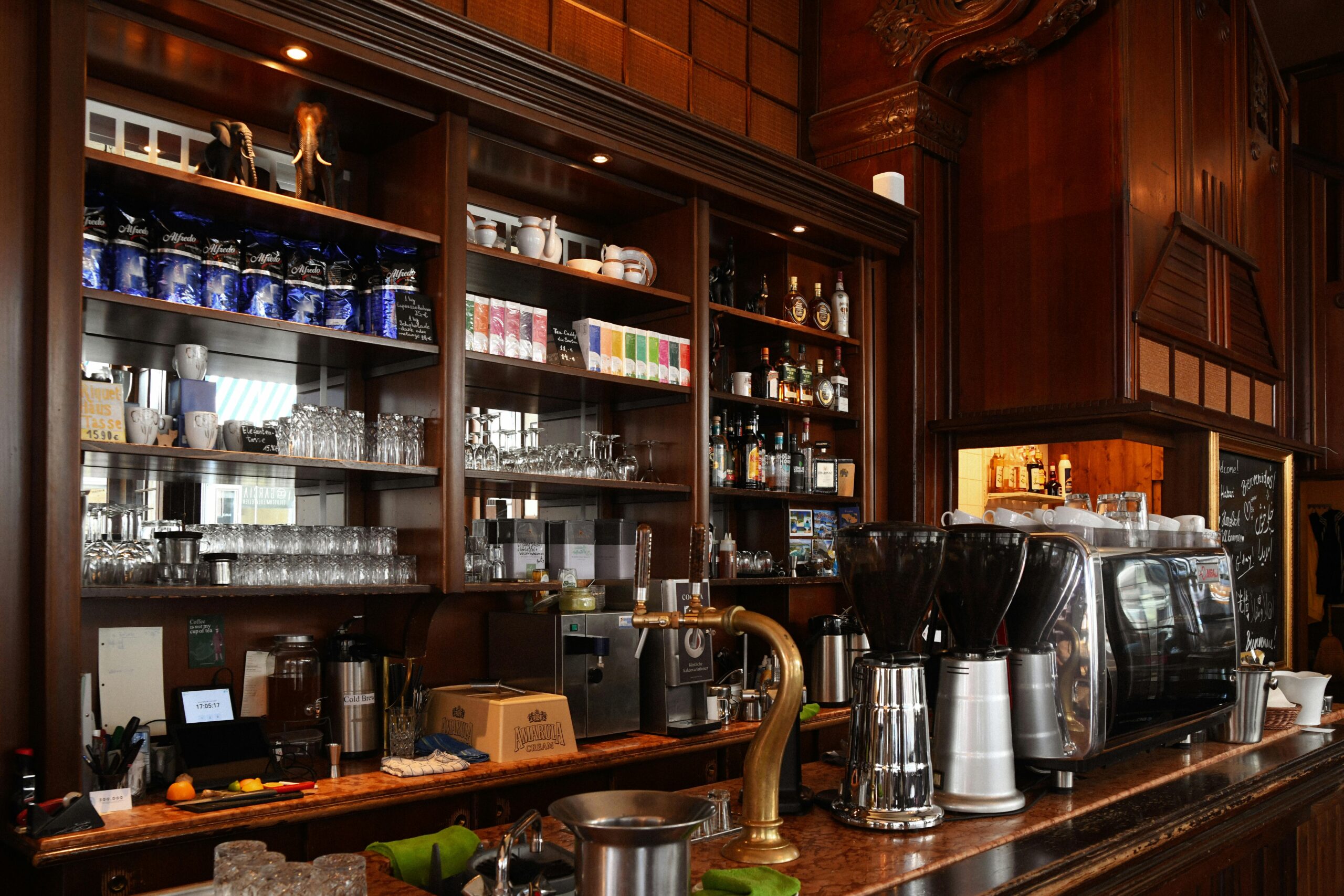
Is a Commercial Espresso Machine Worth It for Small Cafes?
Short answer: yes, for most cafés, it is. But the longer answer is more useful, so let’s get into it.
The hesitation is understandable. Commercial espresso machines are a real investment, and when you’re opening a small café and watching every dollar, the cheaper option is tempting. A $300 prosumer machine makes espresso. A $1,500 commercial machine also makes espresso. Why not start with the cheaper one and upgrade later?
The problem is that “later” usually arrives faster than expected, at the worst possible moment, and costs more than just buying the right machine upfront would have.
What Actually Goes Wrong With Cheap Machines
The issues with entry-level equipment aren’t always obvious on day one. They show up during your busiest periods, which is precisely when you can least afford them.
Brewing speed degrades under consecutive use. Most home-style and prosumer machines aren’t designed for back-to-back drink preparation — they overheat or throttle output when pushed, which means your line gets longer right when it should be moving fastest. Temperature and pressure consistency also suffer, and that inconsistency shows up directly in the cup. An espresso that tastes different at 8am than it does at 10am is a problem when you’re trying to build a reputation.
Steam performance is where the gap is most obvious. Lattes, cappuccinos, flat whites — milk-based drinks dominate most café menus, and getting smooth, creamy texture requires sustained steam pressure. Basic machines simply can’t maintain that pressure through a busy service window. The result is inconsistent milk drinks, frustrated baristas, and customers who notice even if they can’t articulate why.
What You’re Actually Paying For With Commercial Equipment
Commercial espresso machines are engineered for one specific purpose: continuous daily use in a professional environment. That engineering shows up in ways that matter operationally — stable brewing temperatures that don’t drift between shots, fast recovery times that keep up with demand, steam wands that perform the same way on the 50th drink as on the first.
The workflow difference is real and compounding. A machine that brews and steams simultaneously, recovers quickly, and doesn’t require babysitting between orders frees your staff to focus on the customer rather than the equipment. During a morning rush, that efficiency is what separates a smooth service from a chaotic one.
There’s also a subtler benefit that’s easy to underestimate: how the equipment looks and feels shapes how customers perceive the coffee before they’ve tasted it. A well-designed commercial setup communicates that you take coffee seriously. That’s not vanity — it’s part of the experience you’re selling.
The Case for Compact Commercial Systems
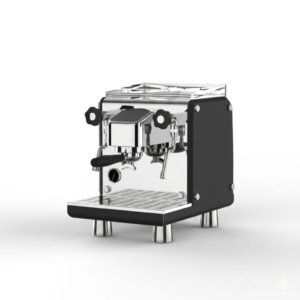
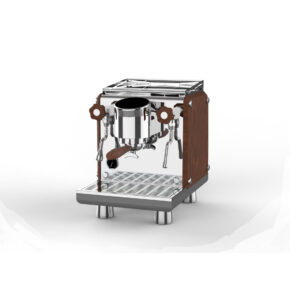
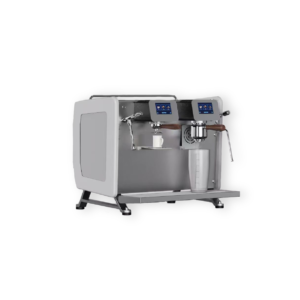
The good news for small café owners is that “commercial” no longer means “enormous.” The market for compact commercial espresso machines has matured considerably, and there are now genuinely capable systems that don’t demand a dedicated espresso station or three-phase power.
Compact commercial machines are worth serious consideration for boutique cafés, dessert shops, hotel breakfast bars, and restaurant coffee stations — anywhere that needs professional output without the footprint of a full specialty café setup. They save counter space, consume less energy, and are generally easier to maintain than their industrial counterparts, while still delivering stable extraction and proper steam performance.
https://westeez.com/ focuses specifically on this category — commercial-grade espresso performance designed for smaller business environments where practicality matters as much as output.
The Practical Questions Before You Buy
Volume is the starting point. A café doing 40 drinks a day has different needs than one doing 150, and the machine should match the realistic demand, not the aspirational one. Related to that: how milk-heavy is your menu? A mostly espresso-and-drip operation can get away with lighter steam performance; a menu built around lattes and cappuccinos cannot.
Counter space shapes the decision more than people expect. Measure before you commit, and factor in the grinder — a good espresso machine paired with a bad or undersized grinder is a frustrating combination. And think honestly about maintenance: the cleanest machines are the ones that are easy to clean, and ease of cleaning matters a lot when your staff is busy and tired.
The Bottom Line
For small cafés serious about coffee quality, a commercial espresso machine isn’t really an optional upgrade — it’s the baseline for delivering a consistent, professional product. The upfront cost is higher than a consumer machine, but the long-term math works out, and more importantly, the operational reality works out. You stop fighting your equipment and start serving your customers.
As customer expectations keep rising, the cafés that invest in the right foundation early tend to be the ones that build loyal regulars. That’s what the equipment decision is really about.
Explore compact commercial espresso solutions at https://westeez.com/.
Add comment
You must be logged in to post a comment.