

No products in the cart.
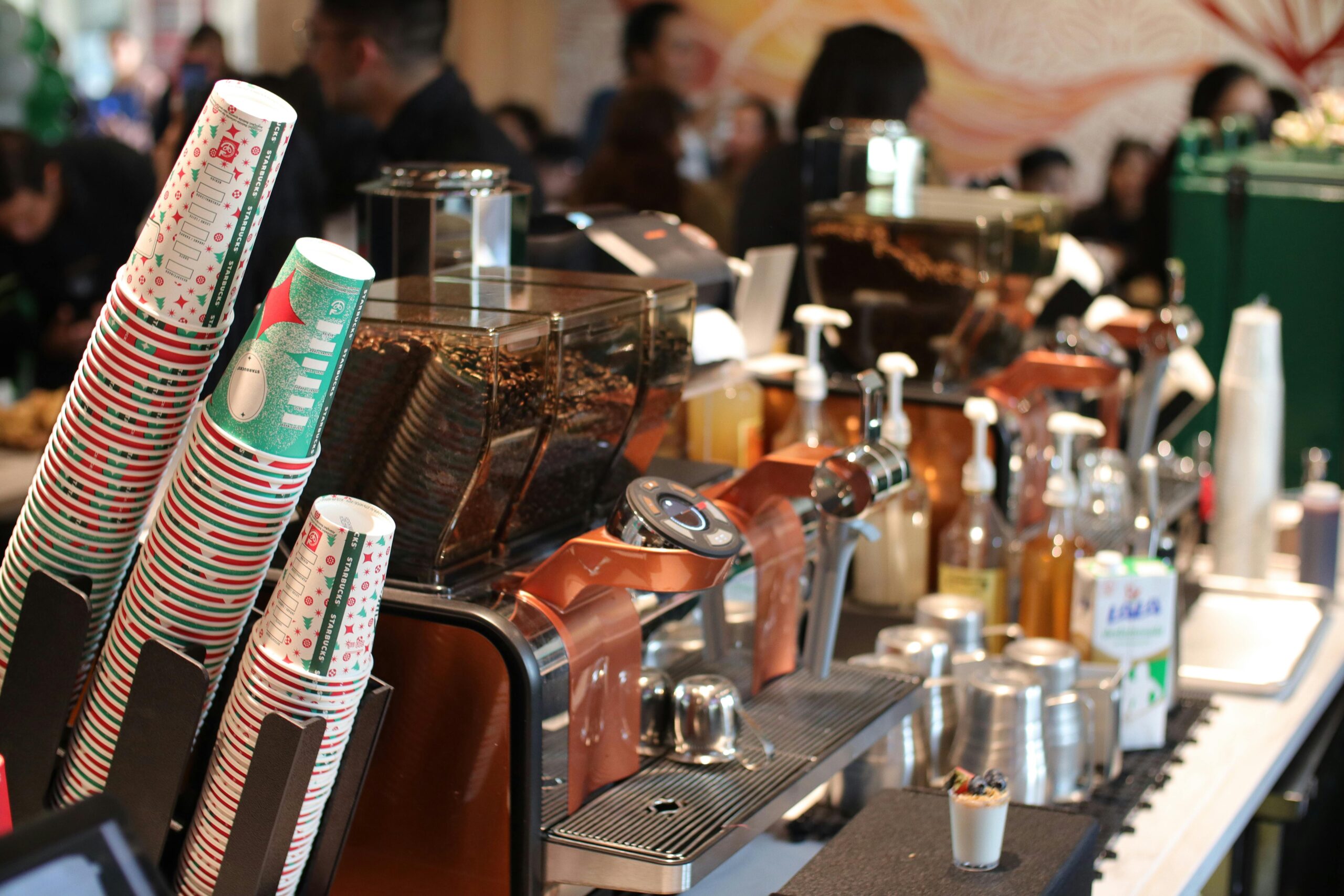
How Many Cups Can a Commercial Espresso Machine Make Per Day?
It’s one of the first questions any café owner should be asking — and one of the most commonly glossed over in equipment specs. Knowing a machine’s daily capacity isn’t just a technical detail; it’s the difference between a setup that runs smoothly through your busiest hours and one that becomes a bottleneck right when you need it most.
The honest answer is that “how many cups” depends on several intersecting factors: boiler size, number of group heads, recovery time, and how efficiently your workflow is organized. Let’s break down what actually matters.
What’s Actually Limiting Your Output?
The boiler is the starting point. It heats the water, generates steam pressure, and determines how quickly the machine recovers between shots. A larger, more powerful boiler means more stable brewing temperatures, faster recovery, and the ability to steam milk for multiple drinks in quick succession without pressure dropping. In a busy service window, that recovery speed is everything.
Group heads are the other half of the equation. A single-group machine pulls one shot at a time. A dual-group machine lets two baristas work simultaneously — or lets one barista pull a shot while steaming milk for the previous order. That parallel workflow is where real throughput gains come from, and it’s why dual-group setups are the standard recommendation for any café with genuine morning rush traffic.
Recovery time ties both together. Some machines hold stable temperature through continuous use; others need a moment to recalibrate between shots. During a quiet afternoon that’s barely noticeable. At 9am on a Monday with six people in line, it’s the thing your customers are waiting on.
Single-Group vs. Dual-Group: Which Do You Actually Need?
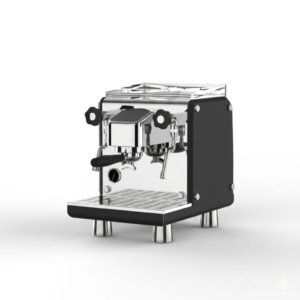
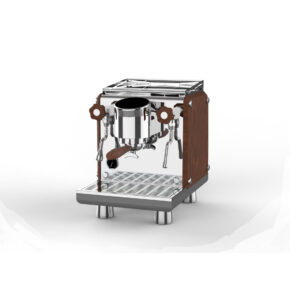
Single-group machines make sense for lower-volume environments — small offices, dessert shops, boutique cafés where the pace is relaxed and the daily count stays comfortably under 60–80 drinks. They’re more affordable, easier to install, and don’t demand a dedicated espresso station. The limitation is ceiling, not quality: they’re fine until they’re not, and when they struggle it’s always during your busiest period.
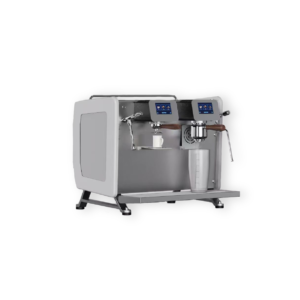
Dual-group commercial machines are built for the environments where coffee is a core part of service — busy cafés, hotel breakfast areas, restaurants running brunch. The workflow advantages are real and compounding: faster simultaneous drink preparation, stronger continuous steam performance, and the ability to handle two orders at once without either one suffering. For most modern cafés, a compact dual-group system is the practical sweet spot.
If you’re looking at current commercial options, https://westeez.com/ has a range of compact systems worth reviewing across both tiers.
What Volume Should You Actually Plan For?
Most small cafés and restaurants don’t need industrial-scale equipment, and buying for a volume you’re not hitting wastes both money and counter space. A rough framework that holds up in practice:
A small café typically runs 50–150 cups per day. A medium café sits in the 150–300 range. A busy restaurant with serious beverage service can push 200–500 on a strong day. These numbers should inform your machine tier more than any spec sheet will.
The reason compact commercial machines have become so popular is that they serve the realistic middle of this range — professional extraction quality, reasonable footprint, manageable energy consumption — without demanding the infrastructure of a full specialty café setup. For a boutique restaurant or a hotel lounge, that’s usually exactly what’s needed.
The Questions Worth Asking Before You Buy
Before committing to a machine, three questions cut through most of the noise:
How busy is your actual peak period, not your average day? A café that does 40 drinks most mornings but 120 on weekends needs to be equipped for the weekend.
Does your menu lean milk-based? Lattes, cappuccinos, and flat whites put serious demand on steam performance. If half your orders are milk drinks, steam power and recovery speed matter as much as shot quality.
How much counter space are you working with? Compact commercial systems have gotten genuinely good — there’s no longer a real trade-off between space efficiency and professional performance for most volume levels.
The Bottom Line
A commercial espresso machine’s daily capacity is less a fixed number than a function of how well it matches your specific environment. The right machine for a 60-cup-a-day café is a different machine than what a 200-cup restaurant needs — and getting that match right matters more than chasing the most impressive specs on paper.
For most small and medium cafés, a compact commercial system with a solid boiler and dual-group capability covers the realistic range comfortably. As coffee expectations keep rising in 2026, that combination of performance, consistency, and practical footprint is increasingly the standard — not the upgrade.
Explore current commercial espresso solutions at https://westeez.com/.
One comment
Pingback:
Best Espresso Machine for Small Cafe in 2026: Complete Buyer's Guide