

No products in the cart.
How Often Should You Descale a Commercial Coffee Machine? A Complete Maintenance Guide for Cafés
A commercial coffee machine is one of the most important investments in any café, restaurant, hotel, or coffee business. While many owners focus on choosing the right machine, regular maintenance is equally important for ensuring consistent coffee quality and extending equipment lifespan.
One of the most common maintenance tasks is descaling. But how often should you descale a commercial coffee machine?
The answer depends on water quality, machine usage, and equipment type. In this guide, we’ll explain when and how often to descale your machine, the warning signs of scale buildup, and how proper maintenance can save your business thousands of dollars in repair costs.
What Is Descaling?
Descaling is the process of removing mineral deposits, primarily calcium and magnesium, that accumulate inside coffee machines over time.
These deposits, commonly known as limescale, are caused by hard water. As water passes through the boiler and internal components, minerals gradually build up and can affect machine performance.
According to the Specialty Coffee Association (SCA), water quality plays a critical role in both coffee flavor and equipment longevity. Café owners can learn more through the SCA’s official resources on water standards and coffee brewing best practices.
External Reference:
https://sca.coffee
Why Descaling Is Important for Commercial Coffee Machines
Failing to descale regularly can lead to:
- Slower heating times
- Reduced water flow
- Poor espresso extraction
- Inconsistent brewing temperatures
- Increased energy consumption
- Expensive repairs
- Shortened equipment lifespan
For businesses relying on espresso-based drinks every day, scale buildup can quickly affect both customer satisfaction and operational efficiency.
If you’re investing in professional equipment, choosing a reliable machine is only the first step. Proper maintenance is essential to protect that investment.
For café owners planning future equipment upgrades, explore professional commercial espresso machine options from Westeez
How Often Should You Descale a Commercial Coffee Machine?
Soft Water Areas
If your café uses filtered or soft water:
- Every 6–12 months
Machines operating with high-quality filtration systems generally accumulate scale more slowly.
Moderate Water Hardness
For most cafés and restaurants:
- Every 3–6 months
This is the maintenance interval most commonly recommended by professional service technicians.
Hard Water Areas
If your local water supply contains high mineral content:
- Every 1–3 months
Without proper filtration, scale can build up rapidly and cause significant performance issues.
The National Coffee Association (NCA) also emphasizes the importance of water quality management in coffee preparation.
External Reference:
https://www.ncausa.org
Real-World Tip From Café Owners
One of the most common mistakes café owners make is waiting until coffee quality noticeably declines before descaling their machines.
In reality, by the time espresso begins tasting bitter, sour, or inconsistent, mineral buildup has often already affected the boiler, heating elements, and internal water pathways.
Many experienced café operators schedule descaling as preventative maintenance rather than waiting for performance issues to appear. This proactive approach helps reduce repair costs, improve beverage consistency, and minimize equipment downtime.
5 Signs Your Commercial Coffee Machine Needs Descaling
1. Longer Heat-Up Times
If your machine takes longer than usual to reach operating temperature, scale may be insulating the heating elements.
2. Reduced Water Flow
Blocked pipes and valves caused by mineral deposits often reduce water pressure and extraction consistency.
3. Strange Noises
Boilers affected by limescale can produce unusual popping or rumbling sounds.
4. Poor Espresso Quality
Scale buildup can affect water temperature and pressure, leading to:
- Bitter coffee
- Sour espresso
- Weak extraction
5. Increased Energy Bills
Machines with heavy scale buildup work harder to heat water efficiently, consuming more electricity over time.
Can You Prevent Scale Buildup?
While descaling is necessary, prevention is even better.
Install a Water Filtration System
A quality filtration system can dramatically reduce mineral deposits.
Use Filtered Water
Filtered water improves both coffee flavor and equipment longevity.
Follow a Maintenance Schedule
Create a documented maintenance plan for:
- Daily cleaning
- Weekly inspections
- Monthly checks
- Scheduled descaling
How Descaling Saves Money
Many café owners only think about maintenance after problems appear.
However, routine descaling can help prevent:
- Boiler replacement
- Pump failures
- Heating element damage
- Unexpected downtime
If you’re opening a café or upgrading equipment, maintenance costs should be considered alongside the initial purchase price.
Related Reading:
How Much Does a Commercial Espresso Machine Cost in 2026? A Complete Buyer’s Guide
Example Maintenance Cost Comparison
Consider a small café serving approximately 80–120 cups of coffee per day.
Regular descaling every 3–6 months may cost only a small amount in cleaning products and maintenance time.
However, neglecting descaling for a year or longer can lead to expensive repairs, including:
- Boiler servicing
- Pump replacement
- Heating element repairs
- Technician call-out fees
For most coffee businesses, preventative maintenance is significantly more affordable than emergency repairs.
A single service visit can often cost more than an entire year of routine maintenance supplies.
Choosing Equipment That Is Easy to Maintain
When selecting commercial coffee equipment, maintenance accessibility is an important factor.
Machines designed with serviceability in mind can reduce maintenance time and lower long-term ownership costs.
Browse commercial espresso machine options:
https://westeez.com/product-category/commercial-espresso-machines-for-cafes-businesses
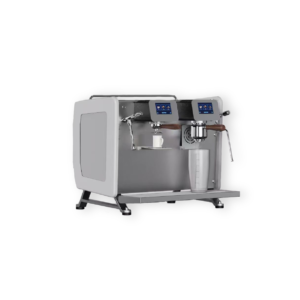
For high-volume coffee businesses, commercial espresso machines such as the Westeez KY-T22, KY-168, and JC-128 are designed to support consistent daily operation while simplifying routine maintenance and cleaning procedures.
Additional Coffee Machine Maintenance Tips
Besides descaling, café owners should also:
- Backflush espresso machines regularly
- Clean steam wands after every use
- Replace water filters on schedule
- Inspect seals and gaskets
- Clean grinders frequently
You may also find these guides useful:
Coffee Shop Equipment Checklist: Everything You Need to Open a Cafe in 2026
Common Coffee Shop Equipment Mistakes New Café Owners Make
Frequently Asked Questions
Can I use vinegar to descale a commercial coffee machine?
Most manufacturers recommend using professional descaling solutions rather than household vinegar. Vinegar may leave odors and could potentially affect certain machine components over time.
What happens if a commercial coffee machine is never descaled?
Scale buildup can reduce water flow, lower brewing temperature stability, increase energy consumption, and eventually lead to costly repairs.
Does filtered water eliminate the need for descaling?
No. While filtration systems significantly reduce mineral buildup, regular inspection and periodic descaling are still recommended.
How do I know if my café has hard water?
A water hardness test kit or local water quality report can help determine mineral levels and establish an appropriate maintenance schedule.
How long does descaling take?
Most commercial coffee machines can be descaled within one to three hours, depending on machine size and scale buildup.
Final Thoughts
So, how often should you descale a commercial coffee machine?
For most cafés, every 3–6 months is a good rule of thumb, although water quality and usage levels may require more frequent maintenance.
Regular descaling not only protects your investment but also helps maintain coffee quality, improve energy efficiency, and reduce costly repairs.
Whether you’re running a small coffee shop or a busy restaurant, a proactive maintenance plan is one of the simplest ways to maximize the lifespan of your commercial coffee equipment.


Add comment
You must be logged in to post a comment.