

No products in the cart.
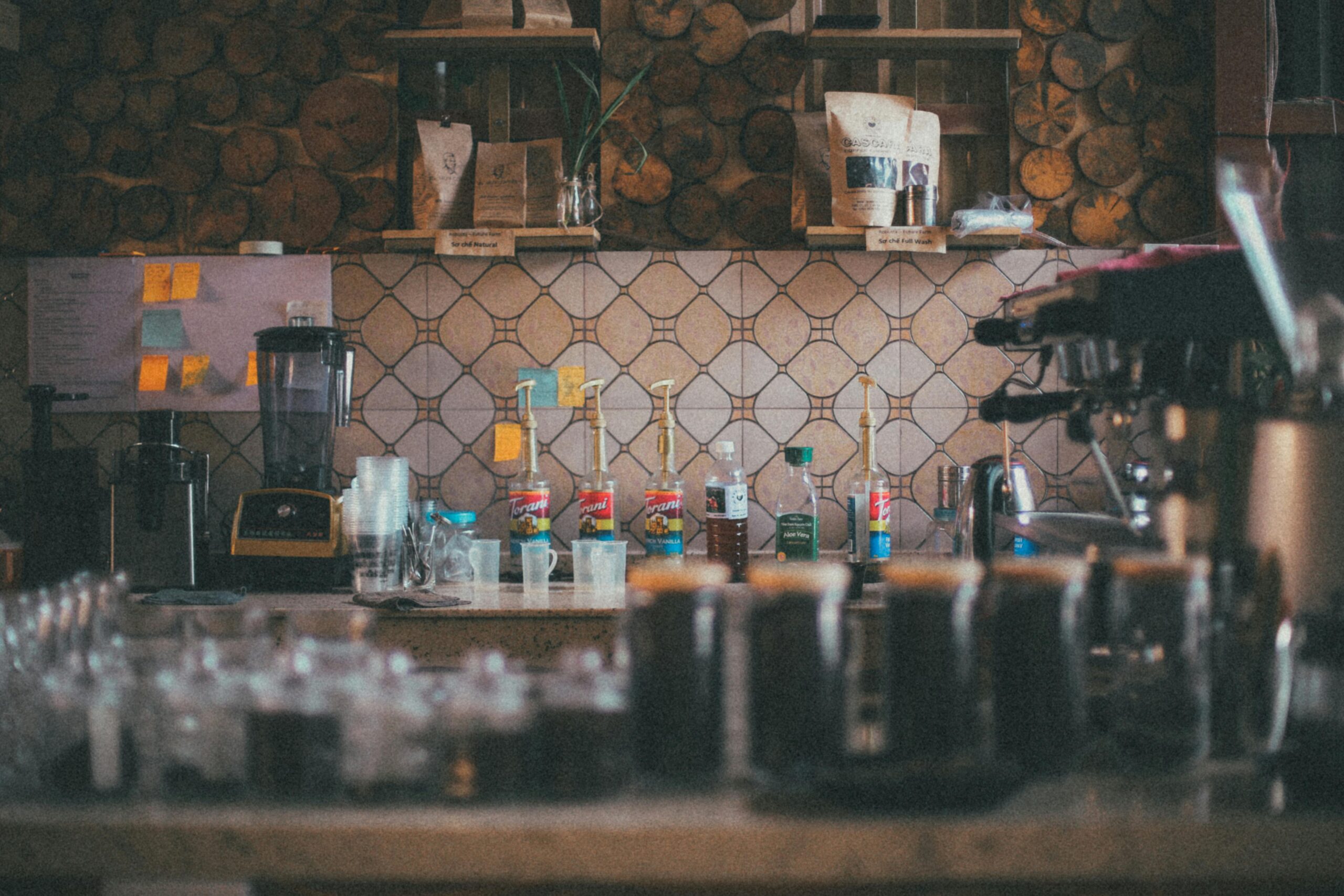
What Small Business Owners Get Wrong About Buying a Coffee Machine
Let’s be honest: the coffee machine behind your counter is going to shape your customer experience more than almost anything else you buy. And yet it’s one of the most rushed decisions new business owners make — often chosen under budget pressure, with minimal research, and quietly regretted within a year.
This isn’t a product catalog. It’s a practical breakdown of what actually matters when you’re making this call in 2026.
Why This Decision Matters More Than It Looks
For a café or restaurant, coffee isn’t just a drink. It drives foot traffic, encourages return visits, and — when done well — becomes a meaningful revenue stream on its own. Getting the equipment wrong can quietly sabotage all of that.
The symptoms tend to be gradual: drinks that take too long during a rush, inconsistent quality that erodes customer trust, mounting repair bills on a machine that wasn’t built for this workload. None of it is dramatic until suddenly it is — like when your machine dies on a busy Saturday morning and you have no backup.
The right machine doesn’t just make coffee. It gives you operational stability, which is what makes everything else possible.
Start With What Kind of Business You’re Actually Running
Before you look at a single spec sheet, get clear on your context.
Small café: You’re likely pulling dozens to hundreds of drinks a day, with uneven demand across morning rush, lunch, and afternoon. Your machine needs to handle sustained bursts without complaint — not just on opening day, but reliably across years of use.
Restaurant: Speed is often the overlooked priority here. When your kitchen is already running hot during service, the last thing you need is espresso becoming a bottleneck. Fast, consistent output matters more than brewing flexibility.
Bakery: Most bakeries don’t want (or need) a dedicated barista. That means you need a machine forgiving enough for staff to operate competently without deep training, while still producing drinks worth charging for.
Office: The priorities shift entirely. Convenience, consistency, and low maintenance matter far more than craft. Nobody in an office wants to troubleshoot grinder settings at 8:45am.
The Features Worth Paying Attention To
There’s a lot of noise in commercial coffee equipment marketing. These are the things that actually matter.
Build Quality and Reliability
The difference between commercial-grade and consumer-grade components isn’t marketing language — it’s engineering tolerance for duty cycles. Home machines are designed for a certain number of uses per day, operated carefully. Commercial machines are designed to be used repeatedly, by different people, under time pressure, every single day.
Downtime isn’t just inconvenient. It costs you money in missed sales, comps, and the harder-to-quantify damage of customers who leave and don’t come back.
Brewing Capacity That Matches Your Reality
A useful rough rule: if you’re consistently serving more than 50–100 cups a day, commercial equipment stops being a nice-to-have and becomes a functional necessity. Below that threshold you have more flexibility, but it’s still worth thinking one level ahead.
Maintenance Your Team Will Actually Follow Through On
The best machine you can buy becomes a liability the moment your cleaning routine falls apart. Simpler maintenance processes drive higher compliance, which means more consistent coffee and a longer machine lifespan. The Specialty Coffee Association has solid, detailed guidance on maintenance standards and water quality management:
Energy Efficiency
Modern commercial machines have made real progress here. This matters practically because if you’re running equipment 8–12 hours a day, the efficiency gap between models adds up meaningfully on your monthly energy bill over time.
Headroom for Growth
This is probably the most underestimated factor in the whole decision. A machine that handles your current volume comfortably can quietly become a bottleneck six months after a good review, a neighborhood change, or a seasonal surge. Building in some capacity buffer is almost always worth the marginal cost difference.
The Mistakes That Keep Showing Up
A few patterns emerge consistently when business owners look back on equipment decisions they regret.
Treating a home machine as a commercial solution. It feels like responsible cost control at the time. The issue is that home machines simply aren’t rated for the usage patterns that even a modest café generates, and they tend to fail in ways that are both costly and badly timed. The short-term saving usually disappears quickly.
Letting purchase price dominate the analysis. The cheapest machine is rarely the cheapest option when you account for repair frequency, inconsistent output, and eventual replacement. This is genuinely one of those cases where the long-term math favors spending more upfront.
Not taking water quality seriously. This affects both coffee taste and how long your equipment lasts. It’s a maintenance issue as much as a quality issue. The National Coffee Association treats water management as a foundational part of any serious coffee program:
A Word on Demand Forecasting
First-time café owners consistently underestimate how quickly volume builds. The machine that seemed perfectly sized in week one can turn into a genuine operational bottleneck within a few months if you get good word of mouth or land a few large regular accounts.
When in doubt, err toward more capacity than you currently need. The price gap between adjacent capacity tiers is usually smaller than people expect, and the breathing room it provides is significant — both operationally and psychologically.
Some Machines Worth Looking At
For small and medium-sized businesses looking for proven commercial performance, Westeez offers a focused lineup built for this segment specifically.
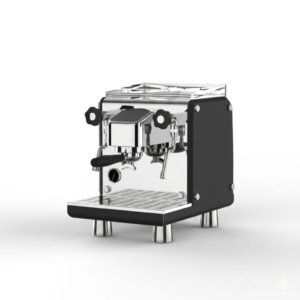
Westeez KY-168 Commercial Espresso Machine
A well-suited entry point for start-up cafés, small coffee shops, restaurants, and specialty beverage operations. Commercial-grade performance without the cost or complexity of larger systems.
Ideal for: start-up cafés, small coffee shops, restaurants, specialty beverage businesses.
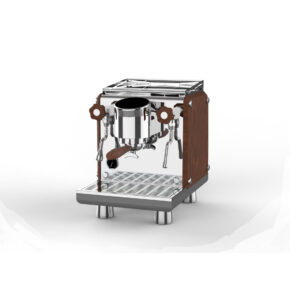
Westeez KY-T22 Commercial Coffee Machine
Aimed at operations that have moved past the entry level — medium-volume cafés, growing businesses, and office programs that need reliable throughput.
Ideal for: medium-volume operations, growing cafés, office coffee programs.
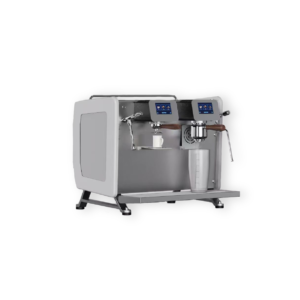
Westeez JC-128 Double Head Espresso Machine
Designed for busy environments where multiple baristas are working simultaneously and any downtime has immediate consequences.
Ideal for: high-demand businesses, multi-barista workflows, busy hospitality environments.
The full collection:
https://westeez.com/product-category/commercial-espresso-machines-for-cafes-businesses
What Should You Actually Budget?
The range is wide, and for good reason — it reflects real differences in build quality, capacity, and longevity.
- Entry-level commercial machines: $500–$1,500
- Professional café machines: $1,500–$5,000+
- High-volume commercial systems: $5,000+
The better frame is to think of it as a capital investment with a multi-year return, not a one-time expense. For a more detailed breakdown of what actually drives pricing at each tier:
How Much Does a Commercial Espresso Machine Cost in 2026?
https://westeez.com/how-much-does-a-commercial-espresso-machine-cost-in-2026-a-complete-buyers-guide
Related Reading
If you’re in the planning stages of opening a coffee-forward business, these are worth the time:
Coffee Shop Equipment Checklist: Everything You Need to Open a Café in 2026
Common Coffee Shop Equipment Mistakes New Café Owners Make
How Often Should You Descale a Commercial Coffee Machine?
Questions That Come Up Often
What’s actually the best coffee machine for a small business?
There’s no universal answer — it depends on your business type, volume, and how much operational complexity you can realistically manage. For most cafés and restaurants, the right category is commercial espresso equipment built for continuous use. After that, it’s about matching capacity and feature set to your specific context.
Can a home espresso machine work in a café?
It can work, for a while. But it’s not built for commercial duty cycles, and failures tend to compound — often at exactly the wrong time. Most experienced operators advise against it from the start, and the math usually supports that view.
When does a commercial machine become necessary?
Around 50 cups per day is a reasonable threshold to take the question seriously. Below that you have more flexibility. Above it, the case for commercial equipment becomes fairly clear.
What does ongoing maintenance actually look like?
Daily cleaning routines, water filtration, periodic descaling, and scheduled professional inspections. The specifics depend on your machine and local water quality. The key is building these into operations early, before bad habits form.
How long do commercial machines last?
With consistent maintenance, most commercial espresso machines will run reliably for 5–10 years. Some go longer. The variable is almost always maintenance quality — the machines themselves are built to last.
The Short Version
Choosing commercial coffee equipment is a business investment decision, not a shopping decision. The variables that matter most — reliability, capacity, maintainability, and room to grow — don’t always align with the lowest price or the most impressive spec sheet.
Get honest about your current volume, realistic about where you’re headed, and choose equipment with enough headroom to grow into. For most small businesses, the right machine pays for itself relatively quickly and becomes one of the least stressful parts of daily operations. That’s what you’re actually buying.
Add comment
You must be logged in to post a comment.