

No products in the cart.
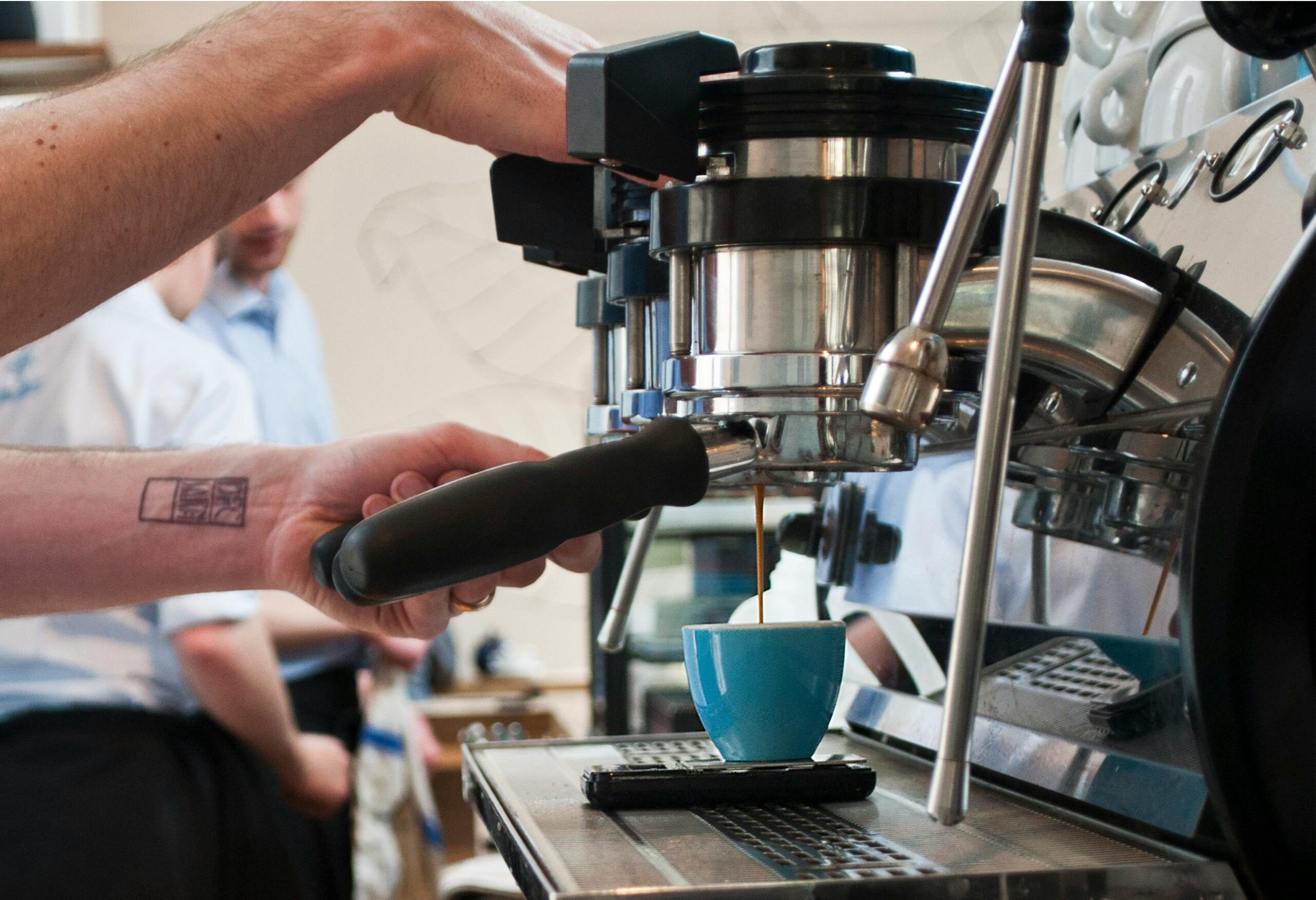
How Many Cups Per Day Justify a Commercial Espresso Machine?
If you’re opening a coffee shop or expanding a small coffee business, you’ve probably asked yourself a question that sounds simple but can save—or waste—thousands of dollars:
How many cups per day justify a commercial espresso machine?
Most café owners don’t start with a busy shop serving hundreds of drinks every day.
In fact, many begin with a home espresso machine, a small semi-commercial unit, or whatever equipment fits the startup budget.
At first, it works.
Then business starts picking up.
A few more customers come in every morning. Weekend traffic increases. Suddenly the machine that seemed perfectly adequate starts slowing everything down.
The answer isn’t just about cup count. It’s about when your equipment becomes the bottleneck.
Let’s look at where that tipping point usually happens.
The Mistake Many New Café Owners Make
One thing I’ve noticed is that new business owners often shop for equipment based on today’s sales rather than tomorrow’s.
Imagine you’re serving 20 drinks a day.
A home machine feels more than capable.
But what happens if your social media starts gaining traction? What if your Google Business profile begins generating traffic? What if a nearby office starts ordering coffee from you every morning?
That 20 cups can become 50 surprisingly fast.
Many café owners end up buying twice:
- A cheaper machine for launch.
- The commercial machine they should have bought six months later.
That’s why it’s worth thinking about growth before choosing equipment.
Under 20 Cups Per Day
If you’re making fewer than 20 espresso-based drinks daily, a quality home espresso machine can still make sense.
Typical examples include:
- Home-based coffee businesses
- Boutique retail stores
- Small offices
- Market stalls
- Pop-up events
At this level, speed isn’t usually the issue.
Consistency and reliability matter, but most machines aren’t working hard enough to reveal their limitations.
Around 20–50 Cups Per Day
This is where things start getting interesting.
The machine may still function perfectly.
The problem becomes workflow.
You might notice:
- Longer recovery times between shots
- Slower milk steaming
- Employees waiting for the machine
- Customers standing in line during rush periods
Many people searching for the best coffee machine for small business are already experiencing these frustrations.
The machine isn’t broken.
It’s simply being asked to do a job it wasn’t designed for.
If you’re still deciding between residential and commercial equipment, you may also find our guide useful:
Can You Use a Home Espresso Machine in a Coffee Shop?
Around 50–100 Cups Per Day
For most coffee businesses, this is where a commercial espresso machine becomes a smart investment.
Notice I didn’t say mandatory.
Some operators can push a residential machine beyond this point.
The question is whether they should.
When you’re making 50 to 100 drinks every day, every minute matters.
Saving just 20 seconds per order can translate into hours of labor savings each month.
At this stage, commercial equipment typically provides:
- Better temperature stability
- Faster shot recovery
- Stronger steam performance
- More consistent drink quality
- Less staff frustration
Most importantly, it creates a smoother customer experience.
And customers remember that.
Once You Pass 100 Cups Per Day
At this point, the discussion becomes much easier.
If you’re consistently producing more than 100 espresso-based drinks every day, a commercial espresso machine is no longer a luxury purchase.
It’s a business necessity.
Home machines simply aren’t designed for continuous commercial use.
Even if they survive the workload for a while, you’ll often see:
- More maintenance
- More downtime
- Inconsistent coffee quality
- Reduced lifespan
That’s why nearly every successful café operating at this volume relies on dedicated commercial equipment.
If you’re approaching this level, it’s worth exploring professional machines designed specifically for business environments:
https://westeez.com/product-category/commercial-espresso-machines-for-cafes-businesses
Cup Count Isn’t the Only Signal
Many owners focus entirely on daily drink volume.
In reality, there are other warning signs.
You may have already outgrown your current machine if:
- Customers regularly wait during busy periods
- Staff complain about workflow
- Milk steaming slows production
- Equipment overheats
- Repairs become more frequent
- Drink consistency varies throughout the day
Sometimes these problems appear before your cup count reaches 50.
That’s why operational efficiency often matters more than a specific number.
Think About Peak Hours, Not Daily Totals
Here’s something many equipment guides forget to mention.
Making 80 drinks throughout an entire day is very different from making 40 drinks between 8:00 and 10:00 AM.
Peak demand is what truly stresses an espresso machine.
A business serving 60 drinks with a concentrated morning rush may need commercial equipment sooner than a business serving 90 drinks spread evenly across the day.
When evaluating your needs, always look at your busiest hours rather than daily totals alone.
Is a Commercial Machine Worth the Cost?
For many startup cafés, cost is the biggest concern.
That’s understandable.
Commercial espresso machines require a larger upfront investment.
However, equipment should be viewed as a revenue-generating asset rather than simply an expense.
Faster service can mean:
- More customers served
- Shorter queues
- Better reviews
- Higher repeat business
- Lower labor costs
Over time, those advantages often outweigh the initial purchase price.
For a deeper breakdown of pricing and budgeting, see:
How Much Does a Commercial Espresso Machine Cost in 2026?
What Industry Professionals Recommend
Professional coffee organizations such as the Specialty Coffee Association emphasize consistency, workflow, and equipment reliability as key factors in delivering quality coffee experiences.
You can learn more through the Specialty Coffee Association:
Additional industry resources are available from the National Coffee Association:
Final Thoughts
If you’re wondering how many cups per day justify a commercial espresso machine, the practical answer for most businesses is somewhere between 50 and 100 drinks per day.
But the better question is this:
Is your current machine helping your business grow, or is it slowing it down?
Once equipment starts limiting service speed, consistency, or customer experience, it’s usually time to upgrade—regardless of the exact cup count.
The businesses that scale most smoothly are often the ones that invest slightly ahead of demand rather than waiting until their equipment becomes a daily problem.
One comment
Pingback:
Best Espresso Machine for Small Cafe in 2026: Complete Buying Guide