

No products in the cart.
Why Is My Commercial Espresso Machine Losing Pressure? Causes and Solutions
A commercial espresso machine depends on stable water pressure to produce consistent espresso. When pressure suddenly drops, the problem can affect extraction time, crema, beverage quality, and the overall workflow of a busy café.
If your commercial espresso machine is losing pressure, the cause may be something relatively simple, such as a blocked group head or insufficient water supply. In other cases, the problem may involve the pump, pressure valve, boiler system, or internal scale buildup.
Understanding the most common causes can help café owners identify problems earlier and decide when professional service is necessary.
What Does Low Pressure Mean on a Commercial Espresso Machine?
Espresso machines need consistent pressure during extraction to force water through the coffee grounds at the appropriate rate.
When a machine loses pressure, you may notice:
- The pressure gauge stays below its normal range.
- Espresso flows too quickly.
- Extraction becomes inconsistent.
- Crema becomes thinner than usual.
- The machine takes longer to recover between shots.
- Steam pressure becomes weaker.
- Multiple drinks become difficult to prepare during peak periods.
A temporary pressure fluctuation does not necessarily mean the machine has a serious mechanical problem. However, persistent pressure loss should be investigated before it affects daily café operations.
For café owners who are still evaluating which type of commercial machine is appropriate for their business, our guide to Single Group vs Two Group Espresso Machine: Which One Does Your Café Need? can help explain how machine configuration affects workflow and production requirements.
1. Check the Water Supply First
One of the simplest causes of low pressure is an inadequate water supply.
Commercial espresso machines require a stable source of water. If the machine is connected to a direct water line, check whether:
- The water supply valve is fully open.
- The inlet hose is kinked.
- The water filter is clogged.
- The water pressure entering the machine is adequate.
- There is a temporary interruption in the water supply.
A restricted water supply can prevent the pump from receiving enough water to maintain normal operating pressure.
If the machine uses a reservoir instead of a direct water connection, make sure the tank is filled properly and that the intake system is not blocked.
2. A Blocked Group Head Can Reduce Extraction Performance
Coffee oils and fine particles can accumulate around the group head, screen, and portafilter over time.
When these components become dirty, water may not flow correctly through the brewing system.
Signs of a dirty group head can include:
- Uneven water flow
- Slow or inconsistent extraction
- Unusual pressure behavior
- Coffee residue around the group head
Regular cleaning should therefore be part of every café’s equipment routine.
For a detailed maintenance routine, see our Commercial Espresso Machine Maintenance Checklist for Coffee Shops.
Regular cleaning is especially important in busy cafés where espresso equipment may be used hundreds of times per day.
3. Check for Scale and Mineral Buildup
Water quality has a major influence on commercial espresso machine performance.
Hard water can introduce minerals into the machine. Over time, scale can accumulate inside:
- Boilers
- Heating elements
- Pipes
- Valves
- Pump components
Scale buildup may restrict water flow and interfere with normal pressure regulation.
This can eventually lead to:
- Lower brewing performance
- Slow heating
- Unstable pressure
- Increased maintenance requirements
Café owners should therefore pay attention to water filtration and water quality rather than treating them as secondary concerns.
The Specialty Coffee Association provides professional coffee industry resources that can help businesses better understand coffee preparation, water, and quality considerations.
4. The Pump May Be Wearing Out
The pump is one of the key components responsible for moving water through a commercial espresso machine.
If a machine has been operating for many years or under very heavy daily workloads, pump performance may gradually decline.
Possible warning signs include:
- Pressure takes longer to build.
- Pressure drops during extraction.
- The machine struggles during simultaneous brewing.
- The pump produces unusual sounds.
- Pressure varies significantly from one extraction to another.
A pump problem should generally be inspected by a qualified technician rather than repaired without proper knowledge of the machine.
Before assuming that the pump has failed, however, check simpler causes such as water supply restrictions, clogged filters, and scale buildup.
5. A Pressure Valve Problem May Cause Unstable Pressure
Commercial espresso machines use valves to regulate water and pressure throughout the system.
If a pressure-related valve becomes dirty, blocked, worn, or incorrectly adjusted, the machine may have difficulty maintaining stable operating conditions.
Depending on the machine design, a valve problem may cause:
- Pressure fluctuations
- Water leakage
- Unusual sounds
- Inconsistent extraction
- Difficulty maintaining normal boiler pressure
Because valves are internal components, professional inspection may be necessary when basic cleaning and supply checks do not solve the problem.
6. The Machine May Be Overloaded During Peak Hours
Not every pressure problem is caused by a mechanical failure.
A machine can also struggle when the café’s workload exceeds its practical capacity.
For example, a small machine may perform well during quiet periods but struggle when several baristas simultaneously prepare drinks during a morning rush.
This can create:
- Longer recovery times
- Lower steam performance
- Slower drink preparation
- Increased pressure fluctuations
This is why choosing equipment according to actual café demand is important.
When evaluating a commercial espresso machine, café owners should consider not only average daily sales but also peak-hour workload, number of baristas, and drink mix.
7. Boiler and Heating Problems Can Affect Pressure
Commercial espresso machines rely on heating systems to maintain the temperature and pressure required for brewing and steaming.
If a heating element, temperature sensor, or related control component is malfunctioning, pressure may become unstable.
Possible signs include:
- Boiler pressure repeatedly dropping.
- Slow recovery after steaming.
- Temperature fluctuations.
- The machine taking unusually long to reach operating conditions.
If these symptoms appear together, professional diagnosis is recommended.
Attempting to repair electrical or pressurized components without appropriate training can create safety risks and may cause additional damage to the machine.
How to Troubleshoot a Commercial Espresso Machine Losing Pressure
Before contacting a technician, café owners can perform several basic checks.
Step 1: Check the Water Supply
Confirm that the water source is available and that inlet valves and hoses are functioning correctly.
Step 2: Check the Filter
A clogged water filter can restrict flow and affect machine performance.
Step 3: Clean the Group Head
Remove coffee residue and buildup according to the manufacturer’s cleaning instructions.
Step 4: Check the Pressure Gauge
Observe whether pressure is consistently low or only drops under heavy use.
Step 5: Check for Leaks
Look around hoses, fittings, valves, and visible connections for unusual water leakage.
Step 6: Consider Recent Changes
Think about whether the problem appeared after:
- A cleaning procedure
- Filter replacement
- Plumbing work
- Equipment relocation
- A sudden increase in drink volume
This information can help a technician diagnose the problem more efficiently.
When Should You Call a Professional Technician?
Basic cleaning and water-supply checks are reasonable first steps, but some problems require professional attention.
Contact a qualified technician if:
- Pressure remains low after basic troubleshooting.
- The pump makes unusual noises.
- Water is leaking from internal components.
- Boiler pressure is unstable.
- Electrical components appear damaged.
- The machine repeatedly stops during operation.
- Repairs are becoming increasingly frequent.
A commercial espresso machine is a critical piece of café equipment. Delaying an important repair can eventually result in longer downtime and greater business disruption.
Can Regular Maintenance Prevent Pressure Problems?
Regular maintenance cannot prevent every mechanical failure, but it can significantly reduce the risk of performance problems.
A good maintenance program should include:
- Daily group head cleaning
- Regular backflushing
- Water filter inspection
- Descaling when appropriate
- Pump and valve inspection
- Professional servicing
- Monitoring pressure and temperature
Café owners should also keep records of repairs and servicing.
If a machine begins requiring increasingly frequent repairs, those records can help determine whether continued maintenance is economically sensible.
Our article How to Calculate the ROI of a Commercial Espresso Machine provides a useful framework for evaluating the long-term financial value of commercial espresso equipment.
How Water Quality Affects Long-Term Machine Performance
Water quality deserves special attention because its effects may develop gradually.
A machine can appear to operate normally while mineral deposits accumulate internally.
Over time, scale may contribute to:
- Reduced heating efficiency
- Restricted water flow
- Valve problems
- Pump stress
- Pressure instability
Using an appropriate filtration system and monitoring water conditions can therefore be an important part of protecting a commercial espresso machine.
Café owners should follow the equipment manufacturer’s recommendations for filtration, cleaning, and descaling rather than applying the same treatment to every machine.
Repair or Replace a Commercial Espresso Machine?
If a machine repeatedly loses pressure, the next question is whether it should be repaired or replaced.
Repair may make sense when:
- The machine is relatively new.
- The problem is isolated.
- Replacement parts are readily available.
- Overall performance remains strong.
Replacement may be worth considering when:
- Major components are repeatedly failing.
- Repair costs continue increasing.
- Parts are difficult to obtain.
- Downtime is affecting sales.
- The machine no longer meets the café’s production requirements.
Café owners should compare the expected repair cost and remaining useful life with the benefits of investing in newer equipment.
The machine’s age alone should not determine the decision.
Choosing the Right Commercial Espresso Machine for Your Café
Preventing pressure problems starts with choosing equipment that matches the business.
A machine designed for a small café may not be the best choice for a high-volume operation.
Likewise, purchasing a machine significantly larger than the business actually needs can increase the initial investment without providing meaningful benefits.
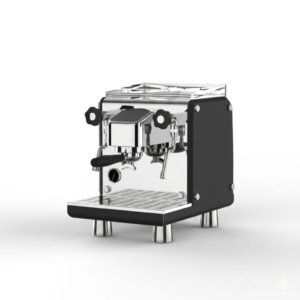
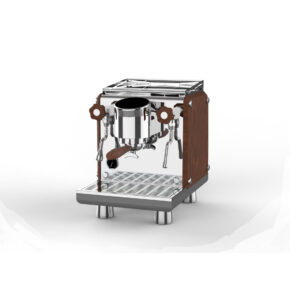
For smaller professional operations, the Westeez KY Minia6 Single Group Espresso Machine offers a compact commercial configuration.
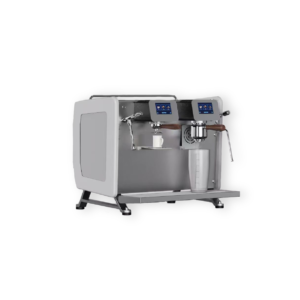
For businesses that need more brewing capacity, the Westeez KY-228 Two Group Commercial Espresso Machine provides a larger two-group configuration suitable for more demanding café workflows.
For high-volume professional environments, the Westeez JC-128 Commercial Espresso Machine with Three Boilers is designed for demanding operation and higher production requirements.
Choosing the right configuration from the beginning can help reduce unnecessary equipment stress and improve the overall café workflow.
Final Thoughts
A commercial espresso machine losing pressure does not always mean that the machine needs to be replaced.
The problem may come from something as simple as restricted water flow, a dirty group head, or a clogged filter. More serious causes can include pump wear, valve problems, scale buildup, or heating-system failures.
The most important steps are to identify the symptoms early, perform basic checks safely, maintain the machine regularly, and involve a qualified technician when the problem requires professional attention.
For café owners, stable espresso pressure is more than a technical specification. It directly affects extraction quality, service speed, equipment reliability, and the daily customer experience.
By combining appropriate equipment selection with proper maintenance and water management, cafés can reduce avoidable downtime and keep their espresso operation running more consistently.

Add comment
You must be logged in to post a comment.