

No products in the cart.
Why Does Espresso Taste Bitter? Common Causes and How to Fix Them
Bitter espresso is one of the most common problems faced by home baristas and professional cafés. When an espresso shot tastes harsh, burnt, or unpleasantly bitter, it can be difficult to know whether the problem comes from the coffee beans, grind size, extraction time, water temperature, or brewing equipment.
The good news is that bitter espresso is usually fixable.
In most cases, excessive bitterness is related to over-extraction, which occurs when too much flavor is extracted from the coffee grounds. However, several other factors can contribute to an unbalanced espresso shot.
Understanding these causes can help café owners and baristas improve consistency and serve better-tasting coffee.
Why Does Espresso Taste Bitter?
Espresso naturally contains some bitterness. Coffee contains hundreds of flavor compounds, and a properly extracted espresso should have a balanced combination of sweetness, acidity, body, and bitterness.
The problem occurs when bitterness becomes dominant.
An excessively bitter espresso may taste:
- Harsh
- Dry
- Burnt
- Astringent
- Overly dark
- Unpleasantly strong
The first thing to investigate is extraction.
If water remains in contact with coffee grounds for too long, it can extract more compounds than desired and produce an unpleasant flavor.
1. The Espresso Is Over-Extracted
Over-extraction is one of the most common causes of bitter espresso.
During brewing, water dissolves soluble compounds from ground coffee. Ideally, extraction should produce a balanced flavor.
When extraction goes too far, the resulting espresso may become:
- Bitter
- Dry
- Astringent
- Hollow
- Harsh
Several factors can cause over-extraction, including an excessively fine grind, a long extraction time, or an unsuitable brewing ratio.
If your espresso tastes bitter even though the beans themselves taste good, over-extraction should be one of the first things you investigate.
2. The Grind Size Is Too Fine
Grind size has a major influence on espresso extraction.
When coffee is ground too finely, water has more difficulty passing through the coffee bed. This can increase contact time between water and coffee and may lead to over-extraction.
If your espresso is consistently bitter and the shot takes too long to finish, try making the grind slightly coarser.
However, adjustments should be made gradually.
Changing the grinder significantly in one step can make it difficult to understand which adjustment actually improved the flavor.
For cafés, grinder consistency is especially important because small differences in grind size can affect multiple drinks throughout the day.
3. The Extraction Time Is Too Long
Extraction time is another important variable.
If water takes too long to pass through the coffee grounds, the espresso may become over-extracted.
For example, if a recipe normally produces a balanced shot but the extraction suddenly becomes much slower, check:
- Grind size
- Dose
- Distribution
- Tamping
- Coffee freshness
A slower shot does not automatically mean the coffee will taste better.
Espresso quality depends on finding a balanced relationship between dose, yield, grind size, and extraction time.
4. The Coffee-to-Water Ratio Is Incorrect
The brewing ratio also influences flavor.
Using too much water relative to the coffee dose can change the concentration and extraction characteristics of the final beverage.
For example, changing from a shorter espresso recipe to a significantly longer yield without adjusting other variables may produce a thinner or more bitter cup.
Instead of changing several variables at once, adjust one variable at a time and record the results.
This approach makes it easier for baristas to identify the source of an unwanted flavor.
5. Water Temperature May Be Too High
Water temperature influences how quickly compounds are extracted from coffee.
If the brewing temperature is too high for a particular coffee, extraction may become more aggressive and contribute to excessive bitterness.
Different coffees can respond differently to temperature.
Dark-roasted coffee, for example, may require a different approach from a lighter roast.
If your espresso suddenly tastes harsher after changing the temperature setting, compare the results at a slightly lower temperature while keeping the other variables consistent.
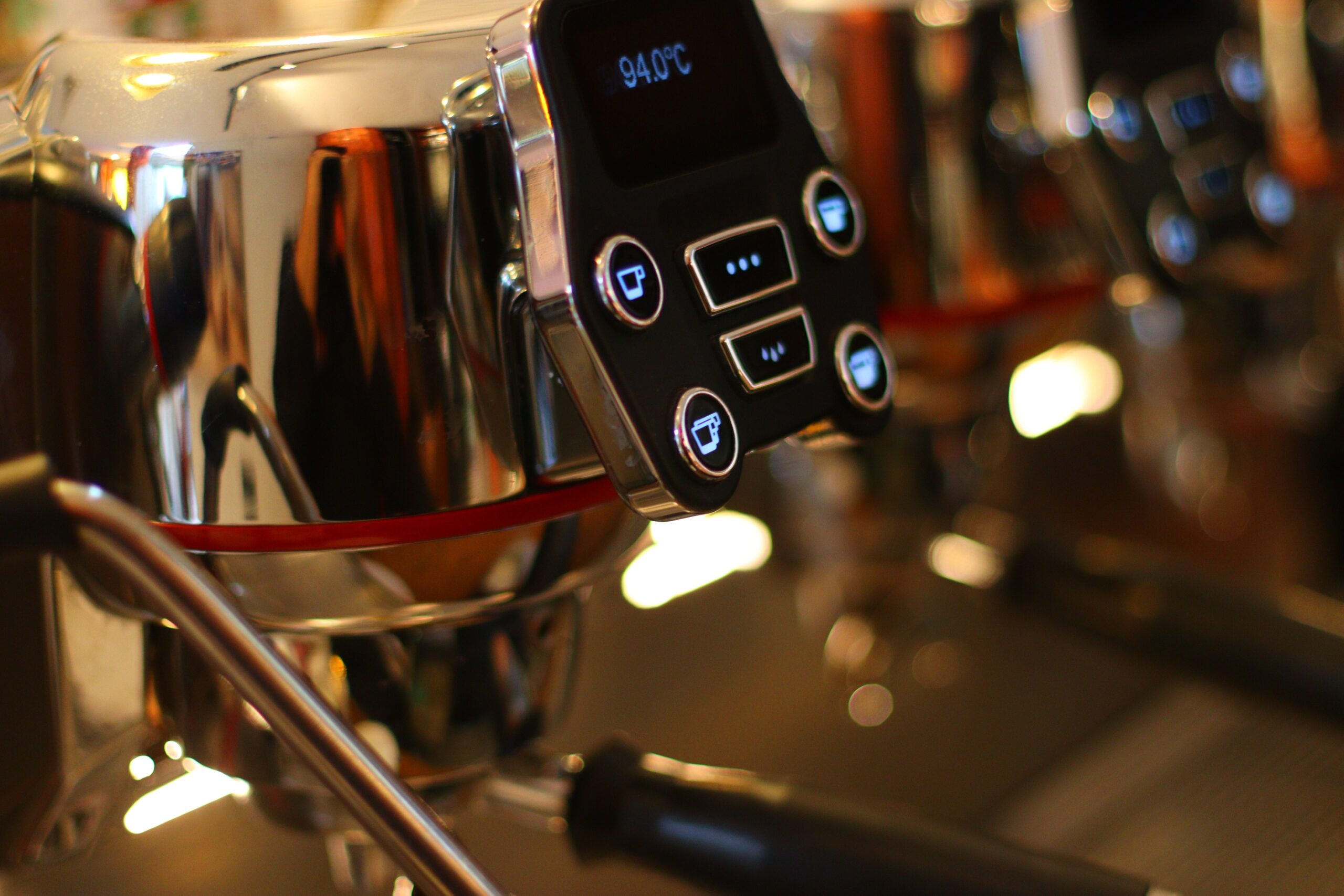
Professional equipment with stable temperature control can make this process easier, particularly in busy cafés where machines are used continuously.
6. The Coffee Beans May Be Too Darkly Roasted
Not all bitterness comes from poor extraction.
The roast profile itself can have a major influence on flavor.
Very dark-roasted coffee can naturally produce flavors associated with:
- Dark chocolate
- Toasted ingredients
- Smoke
- Roasted nuts
- Bitterness
If you prefer a sweeter and more balanced espresso, consider experimenting with a medium or medium-dark roast.
However, roast preference is subjective.
A coffee that tastes unpleasantly bitter to one customer may be intentionally designed to deliver a bold and intense flavor to another.
The important distinction is whether the bitterness is part of the intended flavor profile or the result of an extraction problem.
7. Uneven Distribution Can Cause Extraction Problems
Even if your grind size and extraction time appear correct, poor distribution can create inconsistent extraction.
When coffee grounds are unevenly distributed inside the portafilter, water may find easier paths through certain areas.
This is commonly referred to as channeling.
Some parts of the coffee bed may become over-extracted while other areas remain under-extracted.
The resulting espresso can taste both bitter and sour at the same time.
To improve consistency, baristas should pay attention to:
- Even distribution
- Consistent tamping
- Correct dose
- Proper puck preparation
Good preparation becomes increasingly important during busy café service, when baristas need to repeat the same process many times.
8. The Espresso Machine or Group Head Needs Cleaning
Coffee oils and residue can accumulate inside brewing equipment.
If the group head, shower screen, portafilter, or basket is dirty, old coffee residue can affect the flavor of freshly prepared espresso.
A dirty machine may produce coffee with:
- Burnt flavors
- Rancid notes
- Unpleasant bitterness
- Inconsistent extraction
Regular cleaning should therefore be part of normal café operations.
For a more detailed equipment care routine, see the Commercial Espresso Machine Maintenance Checklist for Coffee Shops.
Cleaning the equipment does not replace proper extraction adjustment, but it eliminates one common source of unwanted flavors.
9. Water Quality Can Affect Espresso Flavor
Water is a major ingredient in espresso, so its quality should not be overlooked.
Mineral content, alkalinity, and overall water composition can influence both extraction and flavor.
Poor water quality may contribute to:
- Unbalanced flavor
- Mineral buildup
- Equipment problems
- Inconsistent brewing
The Specialty Coffee Association provides professional coffee resources covering coffee preparation and quality-related practices.
Café owners should also follow their espresso machine manufacturer’s recommendations for water treatment and filtration.
How to Fix Bitter Espresso Step by Step
If your espresso tastes too bitter, avoid changing everything at once.
Instead, use a systematic approach.
Step 1: Taste the Coffee
Determine whether the bitterness is:
- Mild and balanced
- Harsh
- Dry
- Burnt
- Astringent
This helps identify the likely cause.
Step 2: Check the Grind
If the espresso is extracting too slowly, try making the grind slightly coarser.
If the shot becomes too fast and sour, move back toward a finer setting.
Step 3: Check Extraction Time
Record how long the shot takes to reach your target yield.
Consistency is more important than following an arbitrary number.
Step 4: Check the Dose and Yield
Make sure the recipe is consistent.
Changing the amount of coffee or the final beverage weight can significantly alter extraction.
Step 5: Check Water Temperature
If the coffee remains excessively bitter after adjusting grind and recipe variables, experiment with temperature while keeping everything else consistent.
Step 6: Clean the Equipment
Clean the group head, basket, portafilter, and other relevant components according to the equipment manufacturer’s instructions.
Step 7: Make One Change at a Time
This is one of the most useful rules for espresso troubleshooting.
If you simultaneously change:
- Grind size
- Temperature
- Dose
- Extraction time
you will not know which change affected the flavor.
Instead, change one variable, taste the result, and record the outcome.
How Cafés Can Maintain Consistent Espresso Flavor
Consistency becomes more challenging as a café becomes busier.
Multiple baristas may prepare espresso throughout the day, and small differences in technique can produce noticeably different results.
A simple espresso quality-control routine can help.
Cafés can record:
- Coffee bean
- Roast date
- Grinder setting
- Dose
- Target yield
- Extraction time
- Water temperature
- Flavor result
Baristas can then compare each day’s results against the established recipe.
This creates a repeatable process rather than relying entirely on individual experience.
Equipment Matters, but Technique Matters Too
A high-quality commercial espresso machine can provide stable brewing conditions, but equipment alone cannot guarantee great espresso.
The final result depends on the interaction between:
- Coffee beans
- Grinder
- Water
- Recipe
- Machine
- Barista technique
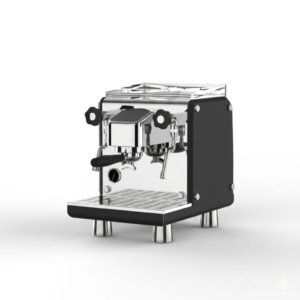
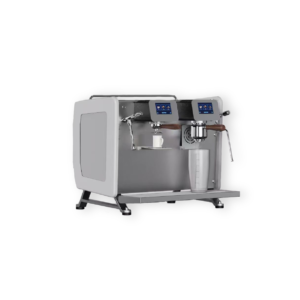
For cafés evaluating professional equipment, the Westeez KY Minia6 Single Group Espresso Machine can be considered for smaller commercial operations, while the Westeez KY-228 Two Group Commercial Espresso Machine provides a larger setup for businesses with more demanding workflows.
For high-volume operations, the Westeez JC-128 Commercial Espresso Machine with Three Boilers is designed for professional environments requiring greater brewing capability.
The right equipment should support a consistent brewing process rather than replace good coffee preparation practices.
Final Thoughts
So, why does espresso taste bitter?
In many cases, the answer is over-extraction caused by factors such as:
- A grind that is too fine
- Excessive extraction time
- An unsuitable brewing ratio
- Excessively high water temperature
- Uneven puck preparation
However, bitterness can also come from dark-roasted coffee, dirty equipment, or water quality.
The best approach is to troubleshoot systematically.
Start with the simplest variables, make one adjustment at a time, and taste the results carefully.
For café owners and baristas, consistent espresso is not achieved by one setting alone. It comes from controlling the entire brewing process and maintaining that process throughout the day.
When the coffee, grinder, water, recipe, equipment, and barista technique work together, bitterness becomes easier to control—and consistently balanced espresso becomes much easier to achieve.


Add comment
You must be logged in to post a comment.