

No products in the cart.
How to Choose an Espresso Machine for a Restaurant With a Small Coffee Menu
Not every restaurant needs a full-size café coffee station.
For many restaurants, coffee is an important part of the customer experience, but it is not the main business. A restaurant may serve espresso after dinner, cappuccino with dessert, Americano during lunch, or a few specialty coffee drinks alongside its main menu.
In this situation, choosing an espresso machine for a restaurant with a small coffee menu requires a different approach.
You don’t necessarily need the largest commercial espresso machine available. Instead, the goal is to choose equipment that matches your actual coffee demand, available space, staff workflow, menu and operating environment.
A good restaurant espresso machine should provide enough capacity for your busiest service periods without taking up unnecessary space or adding complexity to your operation.
Why Restaurants Have Different Espresso Machine Needs
A coffee shop typically builds its entire workflow around coffee.
A restaurant does not.
A restaurant’s main operations may include food preparation, table service, a kitchen, a bar, desserts and other beverages. Coffee may represent only one part of the overall menu.
This changes how you should evaluate commercial coffee equipment.
For example, a restaurant that serves 20–40 espresso-based drinks during an evening service has very different equipment requirements from a café that serves hundreds of drinks throughout the day.
The number of seats alone is also not enough to determine the correct machine size.
Instead, restaurant operators should consider:
- How many espresso drinks are sold per day?
- How many drinks are served during the busiest hour?
- What percentage are milk-based?
- How many employees will operate the machine?
- Is coffee prepared behind the bar or in the kitchen?
- How much counter space is available?
- Does the restaurant have the required electrical and water connections?
The machine should follow the restaurant’s workflow—not the other way around.
1. Start With Your Coffee Menu
The first step when choosing an espresso machine for a restaurant is to look at the actual drinks you plan to sell.
A small restaurant coffee menu might include:
- Espresso
- Double espresso
- Americano
- Cappuccino
- Latte
- Flat white
- Macchiato
- Mocha
- Espresso-based desserts
You don’t need to purchase equipment designed for a high-volume specialty coffee shop if most customers simply order espresso or coffee after a meal.
On the other hand, if your restaurant plans to develop a larger coffee program, you should consider future demand before choosing a smaller machine.
A simple rule:
Choose equipment based on your peak coffee demand, not your total restaurant capacity.
A 100-seat restaurant does not automatically need a large two-group espresso machine.
If only a small percentage of customers order espresso drinks, a smaller commercial configuration may be sufficient.
2. Estimate Peak Coffee Demand
Daily sales are useful, but peak demand is more important.
Imagine two restaurants:
Restaurant A
- 80 seats
- Coffee mostly served after dinner
- 30 espresso drinks per evening
- One employee operates the machine
Restaurant B
- 50 seats
- Coffee served throughout breakfast and lunch
- 100+ espresso drinks per day
- Two employees work behind the bar
Restaurant B may need greater espresso capacity despite having fewer seats.
This is why choosing a commercial espresso machine should begin with your service pattern.
Before purchasing equipment, estimate:
Average drinks per day + peak drinks per hour + milk drink percentage + number of operators
This gives you a much better starting point than simply looking at the machine’s advertised size.
3. Single Group or Two Group?
One of the biggest decisions for a restaurant is whether to purchase a single group espresso machine or a two group espresso machine.
Single Group Espresso Machine
A single-group configuration can make sense when:
- Coffee is a secondary part of the menu
- Espresso demand is relatively moderate
- One employee normally operates the machine
- Counter space is limited
- The restaurant wants a more compact coffee station
A single group espresso machine for a restaurant can therefore be a practical choice for restaurants, dessert shops, boutique food businesses and other operations where coffee isn’t the primary product.
Two Group Espresso Machine
A two-group machine becomes more attractive when:
- Coffee sales are higher
- Multiple drinks need to be prepared simultaneously
- Two employees may work around the coffee station
- The restaurant has regular peak coffee periods
- The business expects its coffee program to expand
The key isn’t that one configuration is universally better.
The key is whether the machine matches your actual workflow.
4. Don’t Ignore Counter Space
Restaurant kitchens and bars are often already crowded.
You may need space for:
- Espresso machine
- Coffee grinder
- Cups
- Milk pitchers
- Syrups
- Knock box
- Tamper
- Refrigerator
- POS equipment
- Cleaning supplies
That’s why the physical footprint of a commercial espresso machine matters.
Before purchasing, measure the entire coffee station—not just the machine.
You should also consider:
- Counter depth
- Machine width
- Operator working space
- Grinder position
- Access for cleaning
- Access for servicing
- Water connection
- Drainage requirements
- Electrical connection
A machine that looks compact in a product photograph may still be difficult to operate if the surrounding workspace is too small.
5. Think About Your Restaurant Staff
Another important consideration is who will operate the espresso machine.
A specialty coffee shop may have trained baristas working exclusively with coffee equipment.
A restaurant may have servers, bartenders or kitchen staff preparing espresso drinks as part of a much broader role.
That means ease of operation becomes particularly important.
Consider:
- How much training is required?
- Can staff maintain consistent dosing and extraction?
- Are the controls easy to understand?
- Can the machine handle your normal service pattern?
- Can staff clean it properly at the end of a shift?
A technically advanced machine is not automatically the best restaurant machine if your staff does not have the time or training to use its features effectively.
6. Don’t Choose a Machine Based Only on Pump Pressure
One common mistake when comparing espresso machines is focusing on a single specification such as pump pressure.
Pump pressure is important, but it is only one part of the overall system.
A restaurant buyer should also consider:
- Temperature stability
- Brewing consistency
- Steam capability
- Boiler configuration
- Recovery during service
- Workflow
- Construction
- Ease of maintenance
- Service support
- Replacement parts
The Specialty Coffee Association maintains standards covering coffee equipment and espresso-machine testing, and its certified commercial equipment program evaluates factors including espresso quality, temperature stability, consistency and professional performance.
For restaurant operators, this reinforces an important point:
Don’t evaluate a commercial espresso machine using one specification alone.
7. Consider Milk Drink Demand
If your restaurant mainly serves espresso and Americano, your steam requirements may be relatively modest.
But if cappuccinos, lattes and flat whites are popular, milk steaming becomes a much more important part of the workflow.
Ask:
- How many milk drinks are ordered during peak periods?
- Will one employee steam milk while another prepares espresso?
- Does the machine need to support continuous milk-drink preparation?
- Is the steam workflow convenient for your staff?
For a restaurant with a small coffee menu, you don’t necessarily need the most powerful system available.
You need enough capacity to prevent coffee service from becoming a bottleneck.
8. Check Power and Installation Requirements Before Buying
This is particularly important when purchasing commercial coffee equipment internationally.
Before ordering an espresso machine for restaurant use, confirm:
- Voltage
- Frequency
- Plug configuration
- Electrical requirements
- Available circuit capacity
- Water supply
- Drainage requirements
- Installation space
Don’t purchase the machine first and investigate installation later.
A machine that isn’t compatible with your restaurant’s electrical or plumbing setup can create unnecessary installation costs and delays.
9. Consider Cleaning and Maintenance
Restaurant equipment operates in a demanding environment.
Coffee oils, milk residue and mineral buildup can affect equipment performance if cleaning and maintenance are neglected.
Your purchasing decision should therefore include a maintenance plan.
Staff should know:
- What needs to be cleaned daily
- What needs to be cleaned weekly
- How to clean the group head
- How to maintain steam equipment
- How to manage the water system
- When professional servicing is required
The FDA Food Code provides a model framework for food safety practices in retail and foodservice environments, although restaurants must follow the rules adopted by their applicable local jurisdiction.
For restaurant operators, this means equipment cleaning should be considered part of the overall foodservice workflow rather than an optional task.
For more information, see our guide:
How to Calibrate a Commercial Coffee Syrup Dispenser for Cafes
10. Choose the Right Machine for Your Restaurant
There is no single best espresso machine for every restaurant.
Instead, you can divide restaurant applications into several categories.
| Restaurant situation | Recommended direction |
|---|---|
| Coffee is a small part of the menu | Compact commercial machine |
| One employee operates the coffee station | Single group may be suitable |
| Limited counter space | Compact configuration |
| Regular milk-drink demand | Prioritize steam capability |
| Moderate coffee volume | Single group or compact two group |
| High coffee volume | Two group or higher-capacity machine |
| Coffee is becoming a major revenue source | Consider upgrading capacity |
This approach prevents restaurants from overspending on equipment they don’t actually need.
11. Westeez Commercial Espresso Machines for Different Restaurant Needs
Westeez offers several commercial espresso machine configurations that can be considered according to restaurant size, workflow and expected coffee demand.
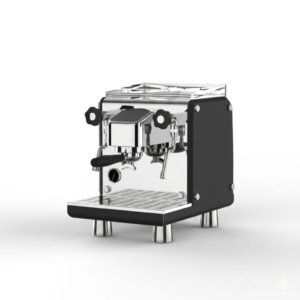
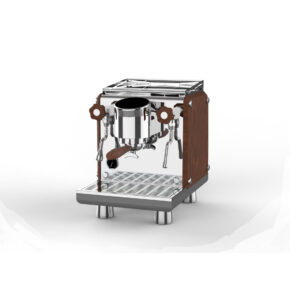
Westeez KY-MINIA6 Single Group Espresso Machine
For a restaurant where coffee is an important but relatively small part of the menu, a single-group configuration can be a practical starting point.
The Westeez KY-MINIA6 Single Group Espresso Machine is designed for commercial-grade use while providing a more compact configuration.
It can be considered for:
- Small restaurants
- Dessert shops
- Boutique food businesses
- Small hospitality operations
- Restaurants with limited counter space
Westeez KY-MINIA6 Single Group Espresso Machine
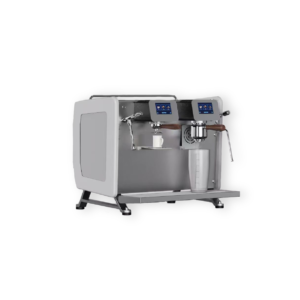
Westeez KY-228 2 Group Commercial Espresso Machine
Restaurants with higher coffee demand may need additional brewing capacity.
The Westeez KY-228 2 Group Commercial Espresso Machine provides a two-group configuration and can be considered for restaurants where coffee service is more active.
Westeez KY-228 2 Group Commercial Espresso Machine
This type of setup can be particularly relevant when multiple espresso drinks need to be prepared during the same service period.
Westeez JC-128 Commercial Double Head Espresso Machine
For businesses with substantially higher coffee demand, a larger commercial configuration may make more sense.
The Westeez JC-128 Commercial Double Head Espresso Machine features a three-boiler configuration and is intended for higher-volume applications.
Westeez JC-128 Commercial Double Head Espresso Machine
This makes it a better candidate for restaurants where coffee has become a more significant part of the beverage program.
12. What Is the Best Espresso Machine for a Restaurant With a Small Coffee Menu?
If your restaurant has a small coffee menu, don’t automatically choose the biggest machine you can afford.
Instead, ask these five questions:
1. How many espresso drinks do we sell during our busiest hour?
This determines your practical capacity requirement.
2. How many employees will operate the machine?
One operator and multiple operators have different workflow requirements.
3. How much counter space do we have?
Measure the complete coffee station, not just the machine.
4. How many drinks contain steamed milk?
A milk-heavy menu may require different equipment considerations.
5. Will coffee sales grow in the next 2–3 years?
If you expect coffee to become a larger part of your business, buying slightly more capacity today may make sense.
Restaurant Espresso Machine Buying Checklist
Before placing an order, use this checklist:
Coffee demand
- Average drinks per day
- Peak drinks per hour
- Percentage of milk drinks
- Expected future growth
Workspace
- Counter width
- Counter depth
- Grinder space
- Staff working space
- Cleaning/service access
Installation
- Voltage
- Frequency
- Electrical circuit
- Water supply
- Drainage
Operations
- Number of operators
- Staff training
- Daily cleaning procedure
- Maintenance plan
- Replacement parts/service availability
Budget
- Machine cost
- Grinder cost
- Installation
- Water treatment
- Maintenance
- Long-term operating costs
Final Thoughts
Choosing an espresso machine for a restaurant with a small coffee menu is fundamentally different from choosing equipment for a dedicated coffee shop.
The right machine should match your actual coffee demand, not simply the size of your restaurant.
For restaurants with moderate espresso demand and limited counter space, a compact single-group commercial machine may provide a practical balance between capability and footprint.
For restaurants with more active coffee service, a two-group configuration may provide greater workflow flexibility.
And when coffee becomes a major part of the business, a higher-capacity commercial system may be worth considering.
The most important principle is simple:
Choose the espresso machine according to your menu, peak demand, staff workflow and available space—not simply according to its size or specifications.
If you’re comparing commercial espresso machines for a restaurant, bakery, dessert shop or other foodservice business, Westeez offers different configurations to help businesses choose equipment according to their operating needs.
FAQ
What is the best espresso machine for a small restaurant?
The best machine depends on coffee volume, menu, staff and available space. A compact single-group commercial machine can be suitable when coffee is a secondary part of the restaurant’s business.
Does a restaurant need a commercial espresso machine?
Not every restaurant needs the same level of equipment. If espresso-based drinks are part of the regular menu, a commercial machine may be appropriate depending on expected demand and operating requirements.
Is a single-group espresso machine enough for a restaurant?
It can be enough for restaurants with moderate coffee demand, particularly when one employee operates the coffee station and coffee is not the primary product.
When should a restaurant choose a two-group espresso machine?
A two-group machine becomes more attractive when coffee demand is higher, multiple drinks need to be prepared simultaneously, or the restaurant expects its coffee program to grow.
What should I consider before buying a restaurant espresso machine?
Consider coffee volume, peak demand, menu, milk-drink percentage, counter space, electrical requirements, water supply, staff workflow, cleaning and after-sales service.
Add comment
You must be logged in to post a comment.