

No products in the cart.
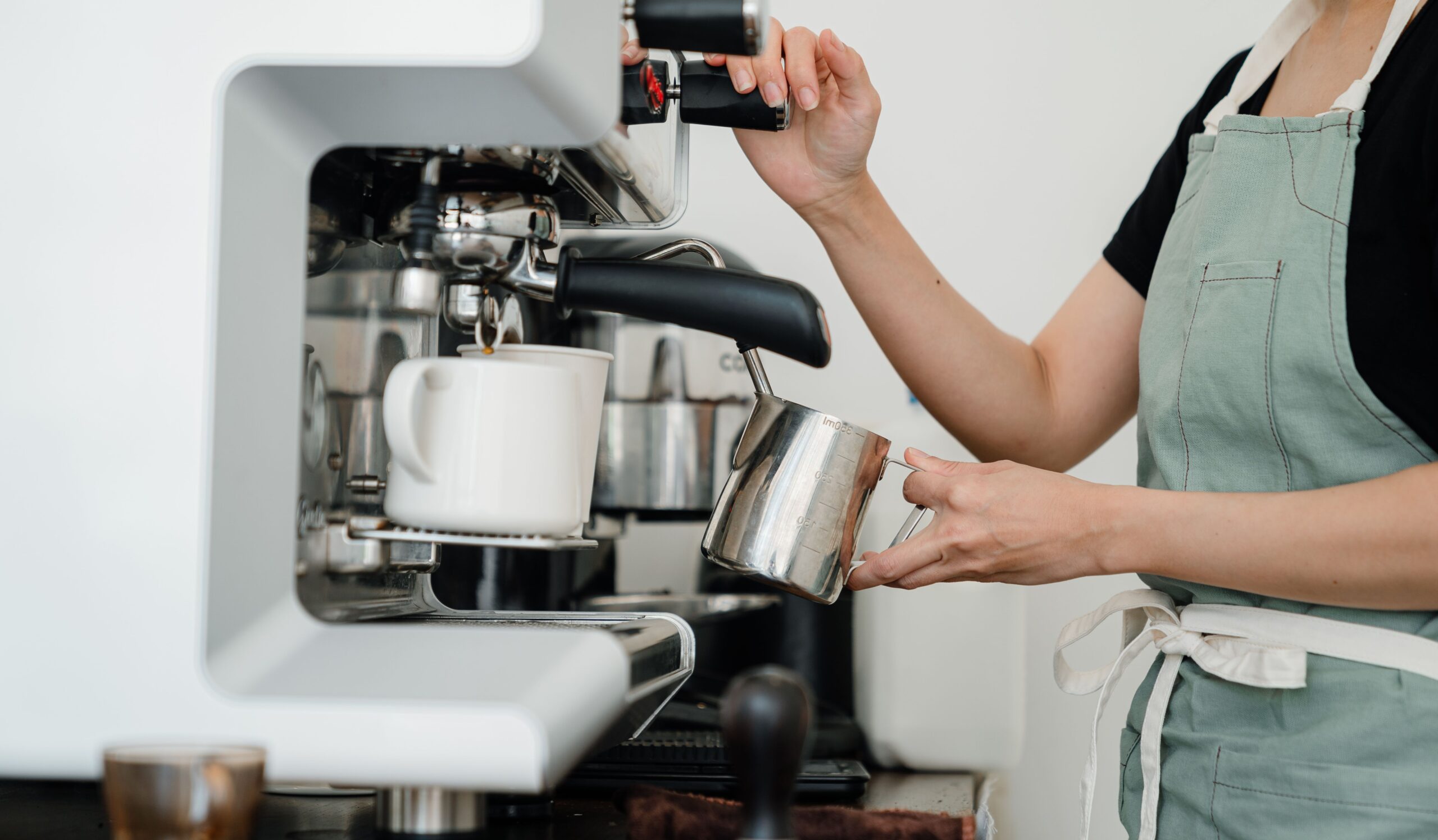
How Much Electricity Does a Commercial Espresso Machine Use? Energy Costs Explained
For café owners, choosing a commercial espresso machine is about more than brewing performance, machine price, and daily coffee output. Electricity consumption is another important factor that can influence long-term operating costs.
A professional espresso machine may remain switched on for eight to twelve hours a day, heating water, maintaining boiler temperatures, brewing espresso, and producing steam for milk-based drinks.
This raises an important question:
How much electricity does a commercial espresso machine use, and how much will it cost to operate each month?
In this guide, we explain commercial espresso machine electricity consumption, compare different machine power ratings, calculate potential electricity costs, and share practical ways to manage energy usage in a coffee shop.
How Much Electricity Does a Commercial Espresso Machine Use?
Commercial espresso machines have different electrical requirements depending on their size, heating system, boiler configuration, and intended workload.
Some commercial machines have rated power levels around 3,000 watts, while larger multi-boiler machines may have ratings of 5,000 watts or more.
However, rated power is not the same as actual electricity consumption.
A machine rated at 5,700 watts does not necessarily consume 5.7 kilowatt-hours of electricity every hour it is switched on.
Heating elements typically cycle on and off to maintain the required temperatures. Actual electricity consumption depends on how frequently the heating system operates and how the machine is used.
Important factors include:
- Machine power rating
- Boiler capacity and insulation
- Number of brewing groups
- Operating hours
- Daily drink volume
- Steam usage
- Ambient temperature
- Standby and energy-saving settings
For café owners, understanding these factors is more useful than comparing wattage alone.
Understanding Watts vs. Kilowatt-Hours
Before calculating electricity costs, it is important to understand two common electrical measurements.
Watts (W)
Watts measure electrical power.
For example, a commercial espresso machine with a rated power of 3,900W has a rated electrical input of 3.9 kilowatts.
Kilowatt-Hours (kWh)
Kilowatt-hours measure electrical energy consumed over time.
Electricity providers commonly use kWh when calculating energy charges.
According to the U.S. Department of Energy, electrical energy consumption is measured in kilowatt-hours.
The basic calculation is:
Electricity Consumption (kWh) = Power (kW) × Operating Time (Hours)
However, this formula requires the power actually being consumed during the period. Using a machine’s maximum rated power for every operating hour produces a theoretical full-power estimate, not a reliable prediction of normal daily consumption.
How Much Does It Cost to Run a Commercial Espresso Machine?
Let’s calculate electricity costs using three example power ratings.
For these examples, assume:
- Operating time: 10 hours per day
- Electricity rate: $0.15 per kWh
- Operating days: 30 per month
The following table assumes the machines continuously draw their full rated power. It is intended to illustrate the calculation, not predict typical café electricity bills.
| Machine Rated Power | Daily Electricity at Full Power | Monthly Cost at Full Power |
|---|---|---|
| 3,000W | 30 kWh | $135.00 |
| 3,900W | 39 kWh | $175.50 |
| 5,700W | 57 kWh | $256.50 |
Important: Actual costs may be substantially lower because heating elements do not necessarily operate continuously at maximum power.
Electricity tariffs, boiler cycling, steam demand, and the machine’s control system all influence real consumption.
Example: A 3,900W Espresso Machine
Suppose a café uses a machine rated at 3.9kW.
If it operated at full rated power for 10 hours:
3.9 × 10 = 39 kWh per day.
At $0.15 per kWh:
39 × $0.15 = $5.85 per day.
Over 30 days:
$5.85 × 30 = $175.50.
This represents a continuous full-power scenario.
For a more realistic estimate, the café would need to measure the machine’s actual electricity consumption over several representative operating days.
What Affects Commercial Espresso Machine Electricity Consumption?
1. Boiler Size and Heating System
Commercial espresso machines use heating systems to maintain brewing and steaming temperatures.
Larger boilers require energy to heat their water, and all heated systems experience some heat loss over time.
Boiler insulation, heating controls, operating temperature, and machine design affect the energy required to maintain readiness.
A larger boiler does not automatically mean a less efficient machine. Its energy consumption must be evaluated alongside its workload and thermal performance.
2. Single-Group vs. Two-Group Machines
Single-group machines are often used in smaller cafés, restaurants, bakeries, and offices.
Two-group machines allow multiple espresso extractions and may be better suited to businesses with higher demand.
However, the number of groups alone does not determine electricity consumption.
The machine’s boilers, heating elements, insulation, control system, and usage pattern also matter.
If you are deciding which configuration suits your business, read our Single Group vs. Double Group Espresso Machines: Which Is Right for Your Business? guide in the Westeez blog collection.
3. Daily Coffee Volume
A café producing 40 drinks per day will generally have different equipment demands from one producing 300 drinks.
Higher beverage volume can increase the energy required for heating replacement water, brewing, and steaming milk.
However, electricity consumption does not necessarily increase in direct proportion to the number of drinks served.
A machine also consumes energy while maintaining its operating temperature between orders.
4. Steam Usage
Milk-based drinks such as cappuccinos, lattes, and flat whites require steam.
Producing steam consumes energy, particularly during busy periods when the machine must recover boiler temperature and pressure repeatedly.
A café serving mostly milk-based drinks may therefore have a different electricity profile from one serving mainly straight espresso.
5. Operating Hours and Idle Time
A commercial espresso machine may spend a significant part of the day waiting for the next order.
During idle periods, the machine may continue consuming electricity to compensate for heat loss.
Reducing unnecessary idle time, where operationally appropriate and permitted by the manufacturer, can help control energy consumption.
Comparing Westeez Commercial Espresso Machines by Power Rating
Westeez offers commercial espresso machines with different group configurations, heating systems, and rated power levels.
The following examples demonstrate how electrical specifications can vary across commercial equipment.
Westeez KY-168: 3,000W
The Westeez KY-168 Commercial Dual Group Espresso Machine has a listed power rating of 3,000W.
Its two-group configuration is designed for professional espresso preparation in cafés, restaurants, hotels, and other commercial environments.
For business owners comparing equipment, the KY-168 provides an example of a commercial dual-group machine with a lower listed power rating than some larger multi-boiler models.
Westeez KY-T2: 3,900W
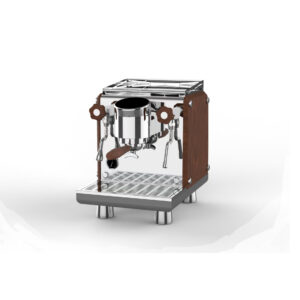
The Westeez KY-T2 Single Group Espresso Machine features:
- Single brewing group
- Dual-boiler system
- 6L steam boiler
- 0.8L extraction boiler
- 3,900W rated power
- Adjustable brewing temperature
This configuration may appeal to smaller cafés and boutique coffee businesses that need a dedicated professional brewing setup.
Westeez KY-T22: 5,700W
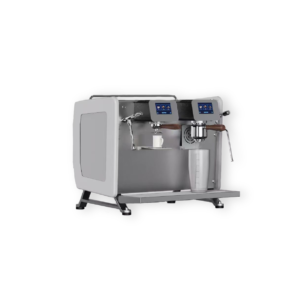
The Westeez KY-T22 Commercial Espresso Machine features:
- Two brewing groups
- Three independent boilers
- 10L steam boiler
- Two 0.8L extraction boilers
- 5,700W total rated power
- Adjustable brewing temperature and pre-infusion
Its configuration is intended for businesses requiring simultaneous brewing and steaming capabilities.
A higher power rating can support greater heating capacity, but it should not be interpreted as proof of higher actual electricity consumption under every operating condition.
Westeez JC-128: 5,700W
The Westeez JC-128 Commercial Double-Head Espresso Machine also has a listed power rating of 5,700W.
Its three-boiler configuration is designed for high-volume commercial espresso preparation.
For cafés evaluating this type of machine, electrical requirements should be considered alongside output capacity, steam performance, available power supply, and installation conditions.
Note: These wattage figures are published equipment specifications, not independently measured energy-efficiency results. They should not be used to rank the machines by actual electricity cost without comparable consumption testing.
Explore the complete Westeez Commercial Espresso Machines Collection to compare available configurations.
How to Measure Your Espresso Machine’s Actual Electricity Usage
The most reliable way to estimate operating costs is to measure electricity consumption.
Step 1: Check the Machine’s Electrical Specifications
Identify the rated power, voltage, and electrical installation requirements.
For commercial equipment, verify these details with the manufacturer and a qualified electrician.
Step 2: Use a Suitable Energy Meter
A properly rated energy monitoring device or professionally installed circuit-level meter can record electricity consumption.
Do not connect high-power commercial equipment to an ordinary household plug-in energy meter unless the meter is explicitly rated and approved for the machine’s electrical requirements.
Step 3: Measure Representative Operating Days
Record energy consumption during normal business operation, including:
- Initial warm-up
- Morning rush
- Afternoon service
- Idle periods
- Closing procedures
For better accuracy, measure several days rather than relying on a single reading.
Step 4: Calculate Monthly Costs
Suppose your meter records an average of 12 kWh per day.
At $0.15 per kWh:
12 × $0.15 = $1.80 per day.
Over 30 days:
$1.80 × 30 = $54.00 per month.
This is an illustrative measured-consumption scenario, not a verified result for any specific Westeez machine.
For a more accurate estimate, use your business’s actual electricity tariff, including any applicable time-of-use or demand charges.
7 Ways to Reduce Commercial Espresso Machine Electricity Costs
1. Choose Equipment Based on Real Demand
Avoid selecting equipment solely because it has the highest power rating or the largest boiler.
Instead, consider your expected daily coffee volume, peak-hour demand, and menu.
Our Best Espresso Machine for Small Cafe in 2026: Complete Buyer’s Guide can help you compare machine configurations for different business sizes.
2. Use Manufacturer-Approved Energy-Saving Features
If your machine offers an eco mode, standby setting, or programmable operating schedule, review the manufacturer’s recommendations.
These features may reduce energy consumption during low-demand periods.
3. Avoid Unnecessary Overnight Operation
If the manufacturer recommends shutting down the machine after service, following the proper shutdown and startup procedures can prevent unnecessary energy use.
However, shutdown decisions should consider warm-up time, cleaning requirements, and equipment-specific instructions.
4. Maintain Proper Water Quality
Mineral scale can interfere with heating performance and water flow.
A suitable water treatment system can help protect commercial espresso equipment.
For additional guidance, read How Often Should You Descale a Commercial Espresso Machine?.
5. Follow a Preventive Maintenance Schedule
Regular maintenance helps keep heating, pumping, and brewing systems operating as intended.
Inspect equipment according to the manufacturer’s service schedule, and have electrical or internal heating issues handled by qualified technicians.
6. Plan Your Café Workflow
Efficient workflow can reduce unnecessary delays and help staff use equipment more consistently.
Organize grinding, brewing, milk steaming, and drink preparation around your actual order volume.
7. Track Electricity Consumption Over Time
Monitor monthly electricity consumption alongside drink sales and operating hours.
This can help identify changes in equipment behavior or operating patterns.
If electricity consumption increases unexpectedly, investigate possible causes before assuming the machine itself is inefficient.
Is a Higher-Wattage Espresso Machine More Expensive to Operate?
Not necessarily.
A higher-wattage machine may heat more quickly or support multiple simultaneous heating functions.
A lower-wattage machine may require more time to recover heat under demanding workloads.
The actual operating cost depends on total energy consumed over time, not just maximum electrical input.
When comparing commercial espresso machines, consider:
- Energy consumption per operating day
- Electricity consumption per drink
- Warm-up requirements
- Idle energy consumption
- Peak-hour performance
- Maintenance requirements
- Electrical installation costs
These measurements provide a more useful comparison than wattage alone.
Frequently Asked Questions
How many kWh does a commercial espresso machine use per day?
There is no universal daily figure. Actual consumption depends on the machine, heating system, operating hours, drink volume, and idle time. Measuring consumption with an appropriately rated energy meter is the best way to obtain an accurate result.
Does a commercial espresso machine use electricity when idle?
Yes. Many machines periodically activate heating elements to maintain boiler temperature even when they are not actively brewing coffee.
Is a two-group espresso machine more expensive to run?
It may consume more electricity than some single-group models, but this is not guaranteed. Heating system design, insulation, boiler size, operating conditions, and daily workload all influence energy consumption.
Should I turn off my commercial espresso machine overnight?
Follow the manufacturer’s shutdown and startup instructions. Many businesses can reduce unnecessary energy use by avoiding overnight operation, but equipment-specific requirements should determine the appropriate procedure.
How can I calculate electricity cost per cup of coffee?
Divide the machine’s total electricity cost during a measured period by the number of drinks produced during that period.
For example, if a café spends $60 on espresso machine electricity in one month and produces 3,000 drinks:
$60 ÷ 3,000 = $0.02 per drink.
This calculation excludes other operating costs such as coffee beans, milk, labor, maintenance, and equipment depreciation.
Final Thoughts
Commercial espresso machine electricity consumption is an important consideration for cafés, restaurants, and other coffee businesses.
However, machine wattage alone cannot tell you how much electricity your business will use.
Actual operating costs depend on heating cycles, boiler design, steam demand, daily workload, operating hours, and local electricity rates.
The best approach is to choose equipment that matches your business requirements, measure real electricity consumption, and maintain the machine according to the manufacturer’s recommendations.
If you are comparing equipment for a new café or planning an upgrade, explore the Westeez Commercial Espresso Machine Collection to review available models and technical specifications.
Choosing the right machine is not simply about minimizing electricity consumption. It is about balancing energy costs, brewing consistency, service capacity, and long-term business needs.
Add comment
You must be logged in to post a comment.