

No products in the cart.
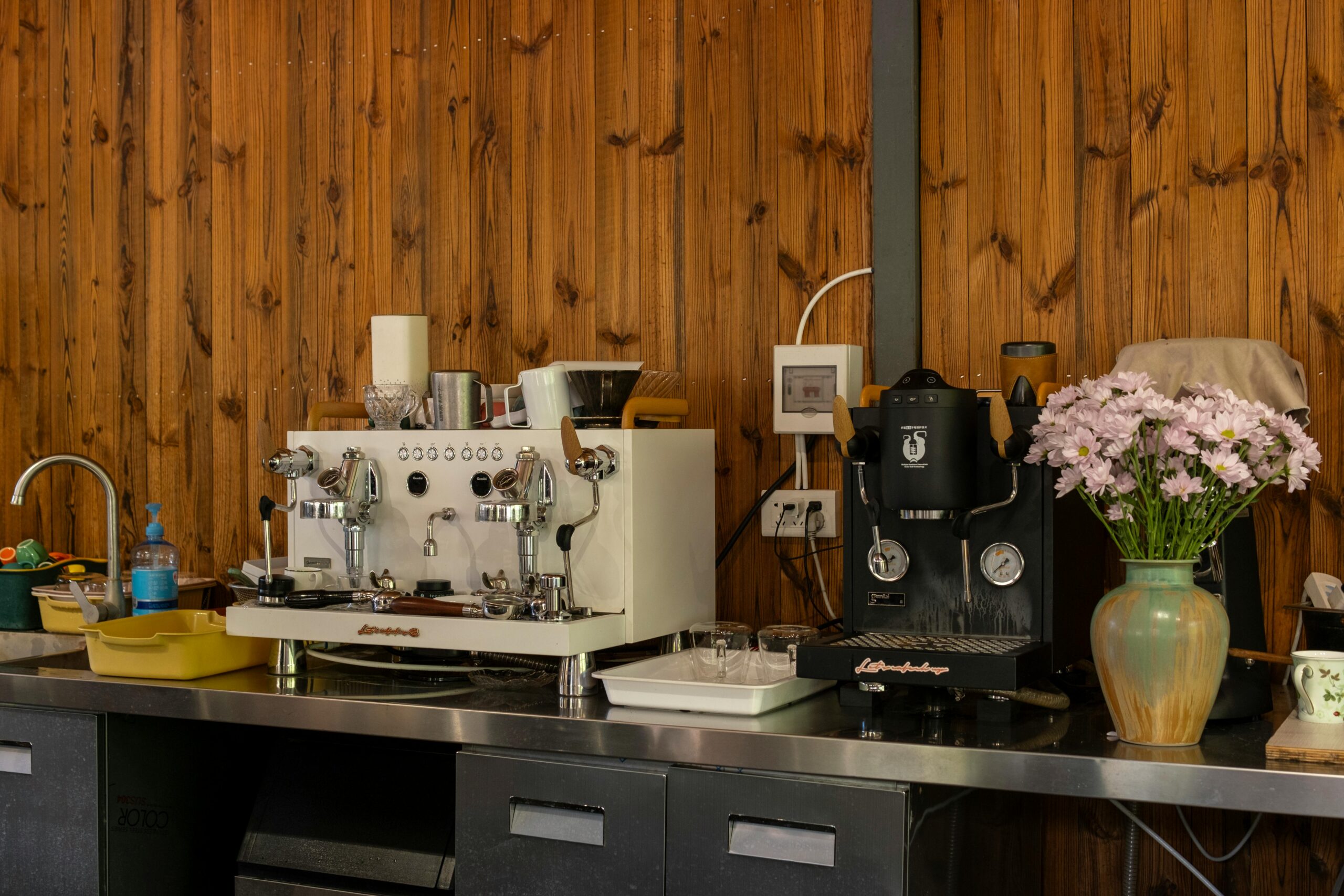
How Often Should You Descale a Commercial Espresso Machine? (2026 Guide)
A commercial espresso machine is one of the most valuable assets in a café, restaurant, hotel, or coffee business. However, even the best machine can suffer from poor performance, inconsistent coffee quality, and costly repairs if regular descaling is ignored.
One of the most common questions business owners ask is:
How often should you descale a commercial espresso machine?
The answer depends on water quality, daily usage, and equipment design. In this guide, we’ll explain how often commercial espresso machines should be descaled, how to recognize scale buildup, and how proper maintenance can extend the life of your investment.
Why Descaling Is So Important
Water contains naturally occurring minerals such as calcium and magnesium. Over time, these minerals accumulate inside boilers, pipes, valves, and group heads.
This buildup is known as scale.
Scale can cause:
- Slower heating times
- Reduced steam pressure
- Inconsistent brewing temperatures
- Poor espresso extraction
- Increased electricity consumption
- Expensive maintenance costs
According to the Specialty Coffee Association (SCA), proper water quality management is essential for both coffee flavor and equipment longevity.
How Often Should You Descale a Commercial Espresso Machine?
Soft Water Areas
If your business uses filtered or soft water:
- Descale every 6–12 months
- Inspect boilers during routine maintenance
- Replace filtration cartridges regularly
Medium Hard Water Areas
For most commercial locations:
- Descale every 3–6 months
- Monitor steam performance
- Schedule preventative maintenance inspections
Hard Water Areas
If local water contains high mineral levels:
- Descale every 1–3 months
- Install professional water filtration
- Test water hardness regularly
Businesses serving several hundred drinks daily may require more frequent descaling regardless of water hardness.
Signs Your Espresso Machine Needs Descaling
Even with a maintenance schedule, your machine may show warning signs that indicate scale buildup.
Slower Heat-Up Times
If your machine takes longer to reach brewing temperature, mineral deposits may be affecting heating efficiency.
Reduced Steam Power
Weak steam pressure often indicates internal scale accumulation.
Inconsistent Coffee Quality
Scale buildup can interfere with water flow and temperature stability, resulting in:
- Bitter espresso
- Sour espresso
- Weak extraction
- Inconsistent flavor
Higher Energy Bills
Machines affected by scale require more energy to maintain operating temperatures.
Unusual Boiler Noises
Popping, rumbling, or crackling sounds may indicate significant mineral buildup inside the boiler system.
How to Prevent Scale Buildup
Although descaling is unavoidable, proper prevention can dramatically reduce maintenance costs.
Install a Water Filtration System
One of the best investments for any coffee business is a professional filtration solution.
The NSF International recommends proper water treatment systems for commercial foodservice equipment to improve efficiency and equipment lifespan.
Monitor Water Hardness
Testing water regularly helps determine whether your maintenance schedule should be adjusted.
Follow Manufacturer Recommendations
Every commercial espresso machine has unique maintenance requirements. Following manufacturer guidelines helps prevent premature wear and costly repairs.
The National Coffee Association also emphasizes the importance of preventative maintenance and proper water management for commercial coffee operations.
Commercial Espresso Machines Still Need Maintenance
Even premium commercial machines require routine care.
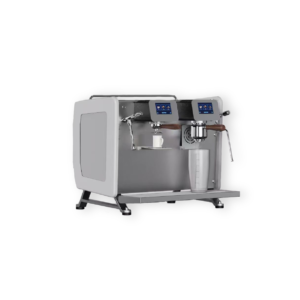
For example, the Westeez JC-128 Commercial Double Head Espresso Machine features a professional dual-group design, three independent boilers, and commercial-grade components built for high-volume environments.
However, even high-performance machines like the JC-128 require regular cleaning, filter replacement, and scheduled descaling to maintain optimal performance.
For restaurant owners exploring equipment options, our guide What Coffee Machine Is Best for Restaurants? explains how to choose the right machine based on daily volume and business needs.
Descaling vs Daily Cleaning
Many operators mistakenly assume that cleaning and descaling are the same thing.
Daily Cleaning Includes
- Backflushing
- Cleaning group heads
- Wiping steam wands
- Emptying drip trays
- Removing coffee residue
Descaling Includes
- Removing mineral deposits
- Cleaning internal water pathways
- Treating boilers and heating systems
- Restoring water flow efficiency
Both procedures are essential.
For a complete maintenance walkthrough, read:
How to Clean and Descale a Commercial Coffee Machine
How Long Do Commercial Espresso Machines Last?
A well-maintained commercial espresso machine can often last 10 years or longer.
Key factors affecting lifespan include:
- Water quality
- Usage volume
- Preventative maintenance
- Component quality
- Professional servicing
Businesses that invest in routine maintenance typically experience fewer breakdowns and lower long-term ownership costs.
Recommended Resources for Coffee Business Owners
If you’re operating a restaurant, café, or coffee shop, these guides may also be helpful:
- Best Coffee Machine for Restaurant in 2026
- Best Espresso Machine for Small Cafe in 2026
- Top 3 Must-Have Coffee Shop Equipment for Startup Cafes
- Coffee Shop Equipment Checklist for New Cafes in 2026
Together, these resources can help you choose the right equipment, reduce maintenance costs, and improve long-term profitability.
Final Thoughts
So, how often should you descale a commercial espresso machine?
For most businesses, every 3–6 months is a good starting point. However, local water quality, drink volume, and filtration systems all play a role in determining the ideal schedule.
Regular descaling improves coffee quality, protects expensive components, reduces repair costs, and extends machine lifespan.
Whether you’re running a restaurant, café, hotel, or specialty coffee business, proactive maintenance is one of the smartest ways to protect your investment and keep every cup tasting its best.


Add comment
You must be logged in to post a comment.