

No products in the cart.
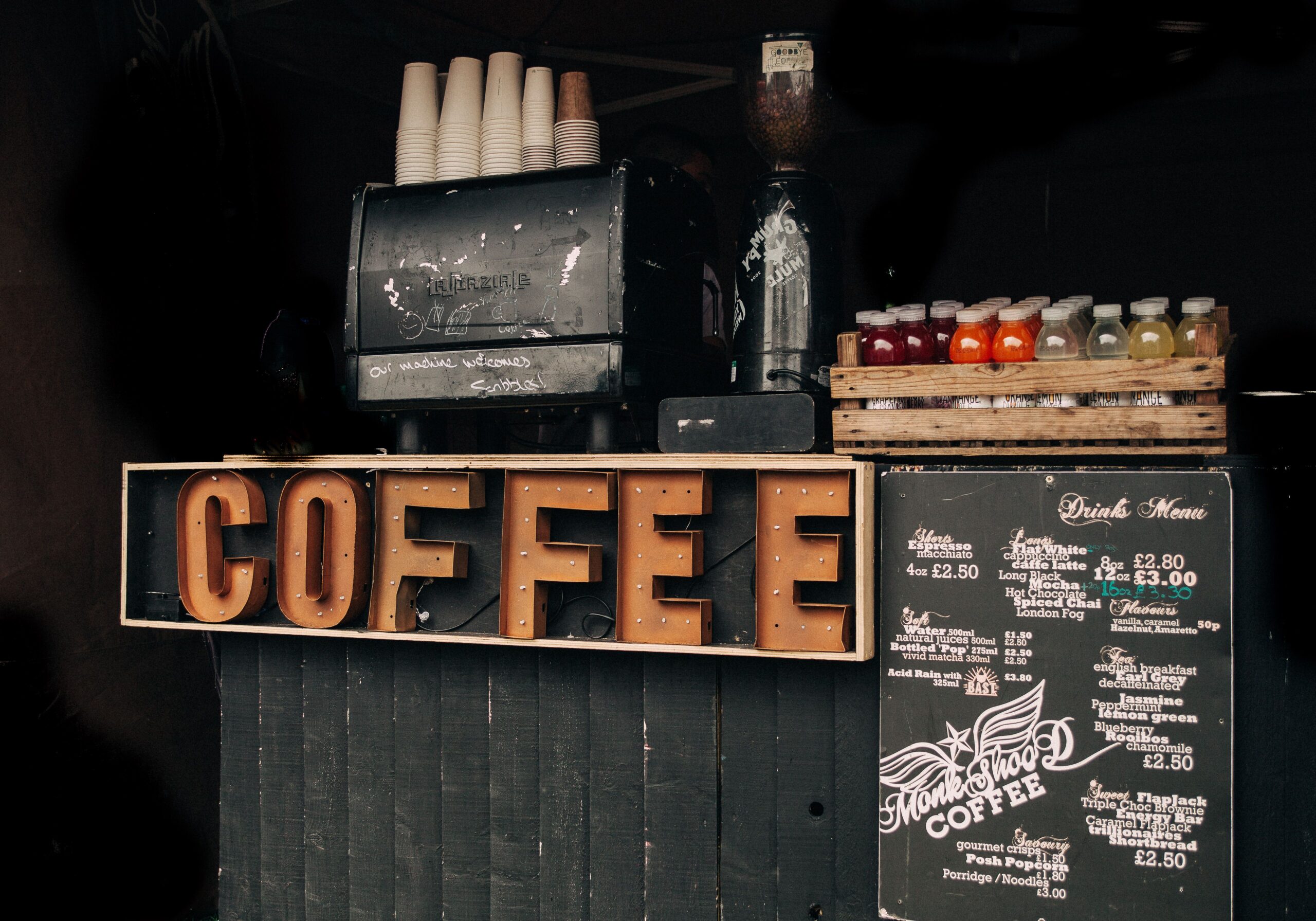
Commercial Espresso Machine vs Home Espresso Machine: What’s the Real Difference?
Meta Intent: Commercial espresso machine comparison for café owners and businesses deciding between professional and home espresso equipment.
Introduction
When starting a coffee business, one of the most common questions café owners ask is:
Can a high-end home espresso machine handle a commercial environment, or do I need a professional commercial espresso machine?
At first glance, home and commercial espresso machines may look similar. Both can brew espresso, steam milk, and create café-style drinks.
However, the differences become obvious when you consider daily workload, durability, speed, consistency, and long-term operating costs.
Choosing the wrong machine can lead to slow service, inconsistent coffee quality, frequent repairs, and lost revenue.
Before investing in equipment, business owners should understand the key differences between commercial espresso machines and home espresso machines.
1. Brewing Capacity: Daily Volume Makes the Biggest Difference
The biggest difference between commercial and home espresso machines is the amount of coffee they are designed to produce.
A home espresso machine is typically designed for:
- A few cups per day
- Personal use
- Small household environments
Most home users may make 2–10 drinks daily.
A commercial espresso machine, however, is built for continuous operation.
A café may need to prepare:
- 100 cups per day
- 300 cups per day
- Even more during busy periods
Commercial machines are designed to maintain performance during long working hours without overheating or losing brewing consistency.
For small cafés choosing their first machine, our guide on Best Coffee Machine for Small Business explains how equipment selection should match business size and daily demand.
2. Boiler System: Stability During Busy Hours
One of the biggest technical differences is the boiler system.
Most home espresso machines use:
- Small single boilers
- Thermoblock systems
- Limited steam capacity
These systems are suitable for occasional coffee preparation but struggle when making multiple drinks continuously.
Commercial espresso machines usually feature:
- Larger boilers
- Dual boiler systems
- Heat exchange systems
- Stronger steam production
This allows baristas to:
- Brew espresso
- Steam milk
- Prepare multiple drinks
at the same time.
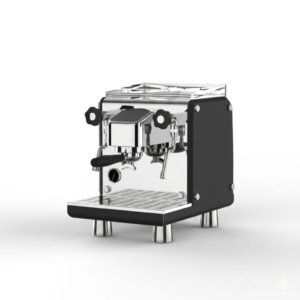
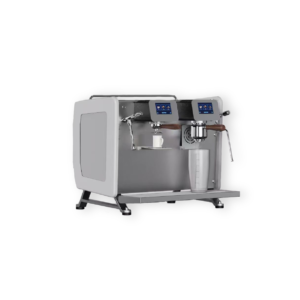
For example, the Westeez KY-MiniA3 Commercial Espresso Machine uses a dual boiler design to improve temperature stability and workflow efficiency.
3. Speed and Workflow Efficiency
In a home environment, waiting one minute for coffee is not a problem.
In a café, every second matters.
During peak hours, customers expect:
- Fast service
- Consistent drinks
- Short waiting times
A commercial espresso machine is designed for professional workflows.
Features such as:
- Multiple group heads
- Powerful steam wands
- Faster recovery time
allow baristas to serve more customers efficiently.
A machine that cannot keep up during busy periods can directly affect customer experience and daily revenue.
4. Durability and Expected Lifespan
Another major difference is construction quality.
Home espresso machines are usually designed for:
- Lower usage frequency
- Shorter operating periods
- Household environments
Commercial machines are built with:
- Heavy-duty components
- Stainless steel structures
- Professional-grade pumps
- Replaceable parts
A café depends on its equipment every day, so reliability becomes a business necessity.
The initial cost of a commercial espresso machine may be higher, but a longer lifespan and fewer interruptions often create better long-term value.
For a deeper understanding of equipment investment, read our guide on How to Calculate the ROI of a Commercial Espresso Machine.
5. Coffee Quality and Consistency
Many people assume coffee quality only depends on:
- Coffee beans
- Grinder quality
- Barista skills
However, the espresso machine also plays a critical role.
Commercial machines provide better control over:
- Water temperature
- Brewing pressure
- Extraction consistency
- Steam performance
According to the Specialty Coffee Association (SCA), consistency and proper brewing practices are essential factors in producing quality coffee beverages.
For a café, consistency is extremely important because customers expect the same taste every time they visit.
6. Can You Use a Home Espresso Machine in a Coffee Shop?
Technically, yes.
But in most cases, it is not recommended.
A home espresso machine may work for:
- Small offices
- Pop-up events
- Very low-volume coffee operations
However, it is not ideal for a professional café because:
- It cannot handle high demand
- Steam performance is limited
- Recovery time is slower
- Parts may wear out faster
A café should choose equipment based on expected daily volume rather than simply choosing the cheapest option.
7. Cost Difference: Is a Commercial Machine Worth It?
The price difference between home and commercial espresso machines can be significant.
A home machine may cost:
$500–$2,000
A commercial espresso machine may cost:
$2,000–$10,000+
However, the comparison should not only focus on purchase price.
Business owners should consider:
- Number of drinks produced
- Maintenance costs
- Machine lifespan
- Customer satisfaction
- Revenue opportunities
A commercial espresso machine is not just equipment—it is a production tool that directly supports business growth.
8. Which Espresso Machine Is Right for Your Business?
A simple way to decide:
Choose a Home Espresso Machine If:
- You make coffee at home
- You prepare only a few drinks daily
- You do not need commercial reliability
Choose a Commercial Espresso Machine If:
- You operate a café
- You run a restaurant
- You serve many customers daily
- Coffee sales are an important revenue source
For restaurants and high-volume businesses, machines such as the Westeez JC-128 Commercial Double Group Espresso Machine provide higher capacity and improved workflow.
How to Maintain Your Commercial Espresso Machine
Regardless of which machine you choose, proper maintenance is essential.
Regular cleaning and servicing help:
- Extend equipment lifespan
- Maintain coffee quality
- Reduce unexpected downtime
For café owners, follow our detailed guide:
Commercial Espresso Machine Maintenance Checklist for Coffee Shops
Final Thoughts
The difference between a commercial espresso machine and a home espresso machine goes far beyond price.
The key differences include:
- Brewing capacity
- Boiler performance
- Speed
- Durability
- Consistency
- Long-term operating costs
For home users, a quality home espresso machine may be enough.
For cafés, restaurants, and coffee businesses, investing in a commercial espresso machine is usually the smarter decision because it supports reliable daily operations and long-term growth.
The right machine should match your business goals, expected customer volume, and future expansion plans.
Frequently Asked Questions
Can I use a home espresso machine for a small café?
A home machine may work temporarily for very low-volume operations, but commercial machines are recommended for consistent quality and reliability.
What is the main difference between commercial and home espresso machines?
Commercial machines are designed for higher volume, faster service, better temperature stability, and longer operating hours.
Are commercial espresso machines worth the investment?
For coffee businesses, yes. Their durability, speed, and reliability can provide better long-term value compared with frequently replacing home machines.
How long does a commercial espresso machine last?
With proper maintenance, many commercial espresso machines can operate reliably for many years.
Should a startup café buy a single group or double group espresso machine?
It depends on expected daily volume. Small cafés may start with a single group machine, while higher-volume businesses often benefit from double group equipment.


Add comment
You must be logged in to post a comment.