

No products in the cart.
How to Choose a Commercial Espresso Machine for a Small Café in 2026
Choosing the right espresso machine is one of the most important decisions when opening or upgrading a small café. Your machine directly impacts coffee quality, workflow efficiency, customer satisfaction, and long-term profitability.
With dozens of models available on the market, many café owners struggle to determine which machine offers the best balance of performance, reliability, and value.
In this guide, we’ll explain exactly what to look for when selecting a commercial espresso machine for a small café.
Understand Your Daily Coffee Volume
Before comparing machine specifications, estimate how many drinks you expect to serve each day.
As a general guideline:
- 30–80 cups per day → Entry-level commercial machine
- 80–150 cups per day → Single-group commercial machine
- 150–300 cups per day → Double-group commercial machine
- 300+ cups per day → High-volume commercial equipment
Many startup cafés overestimate their equipment requirements and end up spending thousands of dollars unnecessarily.
Before purchasing, review a complete Coffee Shop Equipment Checklist for Startup Cafés to ensure you’re investing in the right equipment for your business stage.
Single Group vs Double Group Machines
One of the first decisions you’ll face is whether to choose a single-group or double-group espresso machine.
Single-group machines are ideal for:
- Small cafés
- Bakeries
- Coffee kiosks
- Restaurants with moderate coffee demand
Double-group machines are better suited for:
- Busy cafés
- High-volume restaurants
- Hotels
- Specialty coffee shops
If you’re unsure which option fits your business, read our detailed comparison of Single Group vs Double Group Espresso Machines.
Prioritize Boiler Performance
Boiler performance significantly affects espresso consistency and milk steaming capability.
For small cafés, machines with dual-boiler systems provide several advantages:
- Stable brewing temperatures
- Simultaneous brewing and steaming
- Improved workflow efficiency
- Better drink consistency
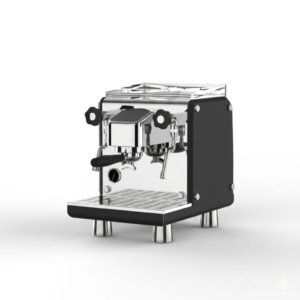
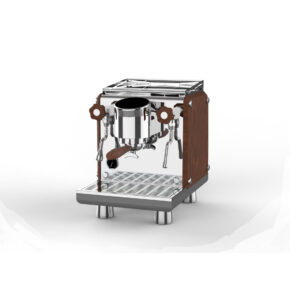
The Westeez KY-miniA3 Single Group Commercial Espresso Machine utilizes dual-boiler technology and is specifically designed for cafés serving approximately 50–150 cups daily.
Consider Long-Term Reliability
Many café owners focus only on purchase price. However, maintenance costs and machine durability are equally important.
Look for:
- Commercial-grade components
- Stainless steel construction
- Reliable pump systems
- Easy access to replacement parts
- Strong technical support
According to the Specialty Coffee Association, regular maintenance and proper equipment selection play a major role in long-term café profitability.
Reference:
Evaluate Available Space
Counter space is often limited in small cafés.
Before purchasing:
- Measure available counter space
- Consider customer flow
- Allow room for grinders and accessories
- Plan for future expansion
Compact commercial machines can often deliver professional results without sacrificing valuable workspace.
Think About Future Growth
Many successful cafés outgrow their original equipment within the first few years.
Ask yourself:
- Will customer traffic increase?
- Do you plan to expand your menu?
- Will you hire additional baristas?
- Are you planning a second location?
For businesses expecting significant growth, investing in slightly more capacity today can prevent expensive upgrades later.
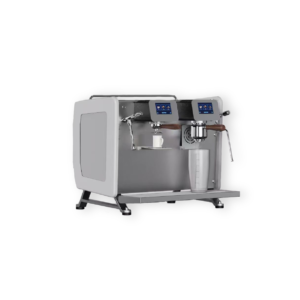
If your business already serves high customer volumes, the Westeez JC-128 Commercial Double Head Espresso Machine may provide better long-term value.
Maintenance Matters
Even the best espresso machine requires regular maintenance.
Warning signs of poor machine health include:
- Inconsistent extraction
- Weak steam pressure
- Water leaks
- Unusual noises
- Temperature fluctuations
To avoid unexpected downtime, read our guide on Signs Your Commercial Espresso Machine Needs Maintenance Before It Breaks Down.
The National Coffee Association also recommends routine equipment inspections and preventative maintenance programs.
Reference:
Cost vs Value
The cheapest machine is rarely the most affordable in the long run.
Instead of focusing only on initial purchase price, evaluate:
- Reliability
- Productivity
- Energy efficiency
- Maintenance costs
- Lifespan
A quality commercial espresso machine often generates returns for many years through improved customer experience and operational efficiency.
Final Thoughts
Selecting the right commercial espresso machine for a small café requires balancing current needs with future growth plans.
For most startup cafés and small coffee businesses, a reliable single-group machine such as the Westeez KY-miniA3 Single Group Commercial Espresso Machine provides an excellent combination of performance, affordability, and scalability.
Businesses expecting heavier traffic may benefit from a double-group solution such as the Westeez JC-128 Commercial Double Head Espresso Machine.
By carefully evaluating volume requirements, boiler systems, available space, and long-term business goals, café owners can make a more informed investment and avoid costly purchasing mistakes.
2 comments
Pingback:
Commercial Coffee Grinder vs Home Grinder: What's the Difference in 2026?Pingback:
Buying Coffee Equipment from China (2026 Guide) | Commercial Espresso Machines & Café Equipment