

No products in the cart.

How to Clean a Portable Espresso Machine Properly (Step-by-Step Guide)
If your coffee suddenly tastes bitter, sour, or inconsistent, your espresso machine may simply need proper cleaning. Portable espresso machines are designed for convenience, but because they are compact and frequently used on the go, coffee oils and mineral buildup can accumulate quickly.
Regular maintenance not only improves flavor but also extends the lifespan of your machine and helps every espresso shot taste fresh and balanced. According to the Specialty Coffee Association, proper coffee equipment maintenance plays an important role in brewing consistency and extraction quality.
In this guide, you’ll learn how to clean a portable espresso machine properly, common mistakes to avoid, and how to maintain café-quality coffee wherever you brew.
Why Cleaning Your Portable Espresso Machine Matters
Every espresso shot leaves behind:
- Coffee oils
- Fine coffee particles
- Mineral deposits
- Moisture residue
Over time, these can cause:
- Bitter or burnt-tasting coffee
- Reduced brewing pressure
- Slow water flow
- Unpleasant odors
- Mold or bacteria buildup
Portable espresso machines are especially sensitive because their compact internal systems can become clogged more easily than larger machines.
How Often Should You Clean a Portable Coffee Machine?
Here’s a simple maintenance schedule most coffee enthusiasts follow:
| Cleaning Type | Frequency |
|---|---|
| Quick rinse | After every use |
| Deep clean | Every 1–2 weeks |
| Descaling | Every 1–2 months |
| Full maintenance check | Every 3–6 months |
If you frequently travel, camp outdoors, or use hard water, you may need to clean your machine more often.
What You Need Before Cleaning
Before starting, prepare:
- Warm water
- Soft microfiber cloth
- Small cleaning brush
- Mild dish soap
- Descaling solution or diluted vinegar
- Dry towel
Avoid:
- Harsh chemicals
- Metal brushes
- Bleach
- Abrasive scrubbers
These may damage seals and internal components.
Step-by-Step Guide to Cleaning a Portable Espresso Machine
Step 1: Empty the Machine
Remove:
- Used coffee grounds
- Remaining water
- Capsules (if applicable)
Never leave wet coffee residue inside the machine overnight.
Step 2: Rinse All Removable Parts
Wash:
- Portafilter
- Water reservoir
- Drip tray
- Capsule holder
Use warm water and mild soap.
If coffee oils are difficult to remove, allow parts to soak for 10–15 minutes before rinsing.
Step 3: Clean the Brewing Area
Use a soft brush or cloth to clean:
- Brew head
- Coffee outlet
- Rubber seals
- Internal edges
Coffee oils accumulate quickly in these areas and can noticeably affect espresso flavor.
Step 4: Run Clean Water Through the Machine
Fill the water reservoir with fresh water and run a brew cycle without coffee.
This helps flush:
- Internal coffee particles
- Remaining oils
- Soap residue
Repeat the process once or twice if necessary.
Step 5: Descale the Machine
Mineral buildup from hard water can reduce brewing performance and heating efficiency over time. Many manufacturers, including Breville Espresso Machine Care Guide, recommend regular descaling to maintain optimal machine performance.
To descale:
- Add descaling solution or diluted vinegar to the water tank
- Run a brewing cycle
- Allow the solution to sit for 10 minutes
- Flush thoroughly with clean water
Always rinse completely before brewing coffee again.
Common Cleaning Mistakes
Leaving Water Inside Overnight
Stagnant water can lead to unpleasant odors and bacterial buildup.
Ignoring the Brew Head
Many users clean only visible parts while forgetting the brewing chamber where oils accumulate fastest.
Using Harsh Cleaning Products
Strong chemicals can damage internal seals, plastic components, and tubing.
Reassembling While Parts Are Wet
Moisture trapped inside portable coffee machines may encourage mold growth over time.
Always allow components to dry fully before reassembly.
How to Keep Your Coffee Tasting Fresh
A few simple habits can significantly improve coffee quality:
- Use filtered water whenever possible
- Clean the machine immediately after use
- Store the machine dry
- Avoid leaving coffee grounds inside
- Descale regularly
According to the U.S. Environmental Protection Agency Water Information, mineral-heavy water can contribute to scale buildup that affects appliance performance.
Consistent maintenance helps improve:
- Espresso flavor
- Pressure stability
- Brewing temperature consistency
- Machine lifespan
Best Espresso Machines That Are Easy to Maintain
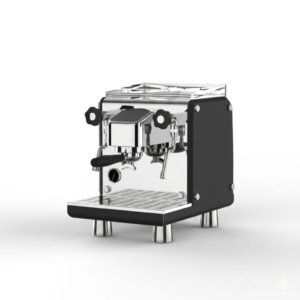
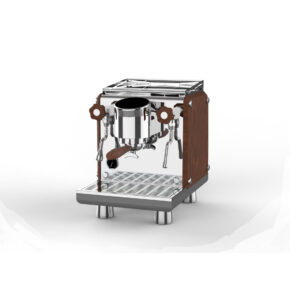
If you’re looking for an espresso machine designed for both performance and convenient maintenance, the Westeez KY-MINIA6 Single Group Espresso Machine is a strong option for home users, coffee enthusiasts, and small cafés.
Its compact single-group design makes daily cleaning easier while still delivering professional espresso quality and stable extraction performance.
You can explore the full product details here:
Westeez KY-MINIA6 Espresso Machine
Final Thoughts
Cleaning your portable espresso machine only takes a few minutes, but it has a major impact on coffee quality and long-term machine performance.
A properly maintained machine produces:
- Better crema
- Richer flavor
- More stable pressure
- More reliable brewing results
Whether you brew coffee at home, in the office, while traveling, or outdoors, regular maintenance helps ensure every cup tastes fresh and consistent.
FAQ
Can vinegar damage an espresso machine?
Small amounts of diluted vinegar are generally safe for occasional descaling, but commercial descaling solutions are often recommended for long-term maintenance.
How do I remove coffee oil buildup?
Use warm water, mild soap, and a soft cleaning brush. Deep cleaning regularly prevents excessive oil accumulation.
How often should I descale a portable espresso machine?
Most users should descale every 1–2 months depending on water hardness and brewing frequency.
Why does my espresso machine smell bad?
Old coffee residue, trapped moisture, or stagnant water are the most common causes. A thorough deep clean usually resolves the issue.


Add comment
You must be logged in to post a comment.