

No products in the cart.
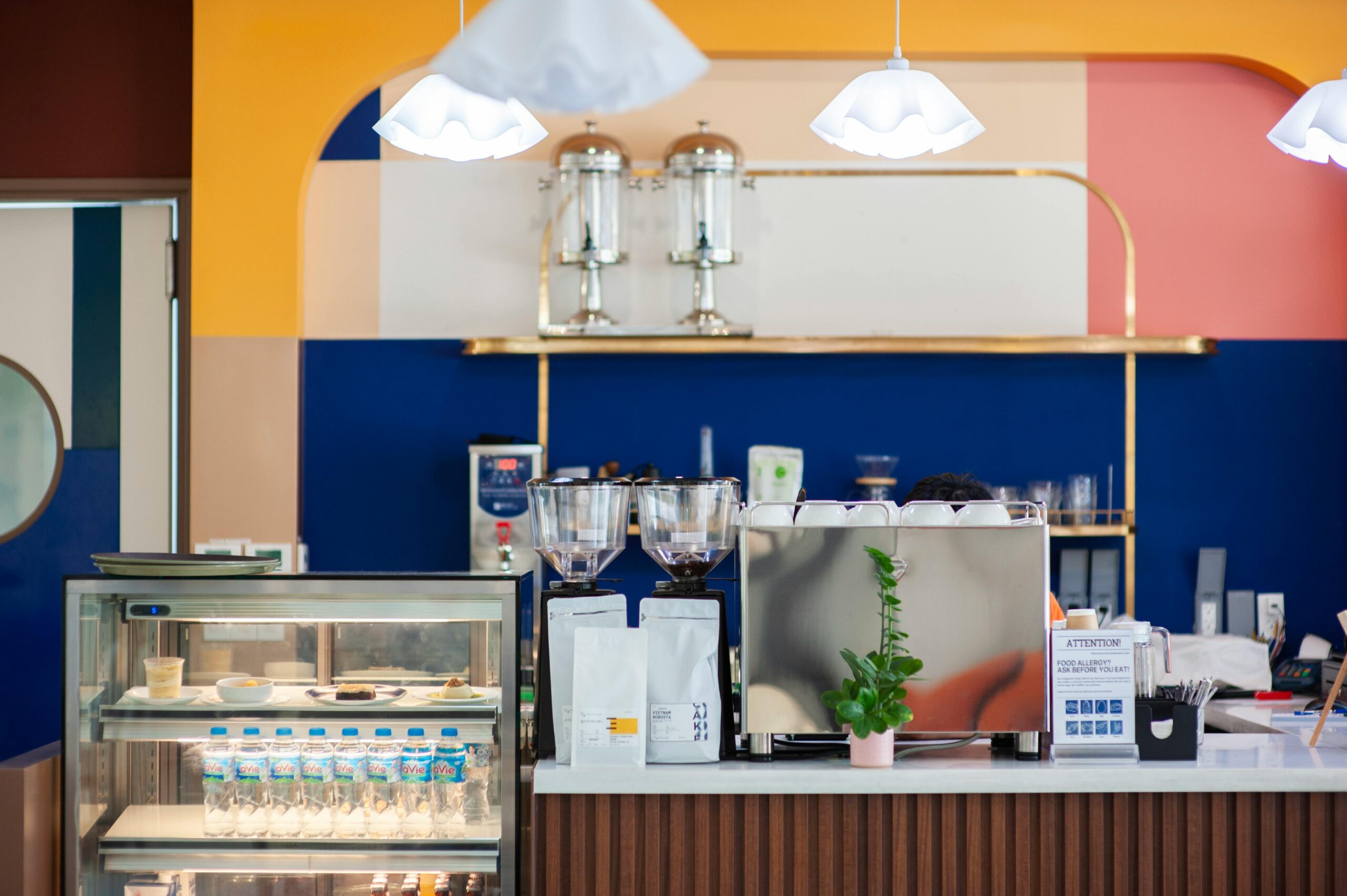
Single-Serve Coffee Systems vs Commercial Espresso Machines: Which Is Better for Your Café?
At some point, every café owner faces a version of the same question: do I go with the easy option, or the right one?
Single-serve pod systems are tempting. They’re simple, they’re fast, and they require almost no training. But “easy” and “good for your café” aren’t always the same thing — and if you’re running a business where coffee is central to the experience, that gap matters. Here’s an honest look at both options so you can make a decision you won’t regret six months in.
What You’re Actually Choosing Between
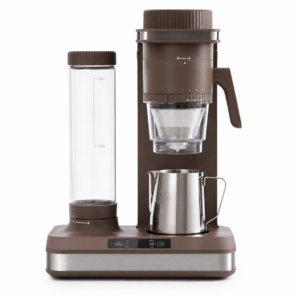
Single-serve systems brew coffee from pre-packaged capsules. One button, one cup, done. They work well in hotel rooms, office breakrooms, and low-traffic waiting areas — places where coffee is an amenity rather than a product. The tradeoff is that you’re trading quality and flexibility for convenience, and in a café setting, that tradeoff has real costs.
Commercial espresso machines work from freshly ground beans and are built for continuous, professional use. They take more skill to operate, cost more upfront, and require proper maintenance — but they produce a fundamentally different cup. Better crema, stronger aroma, more control over every variable. That’s not marketing language; it’s just what fresh extraction does.
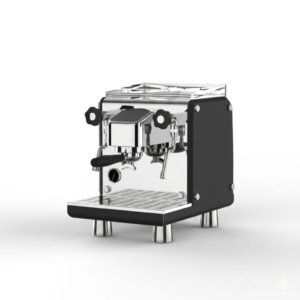
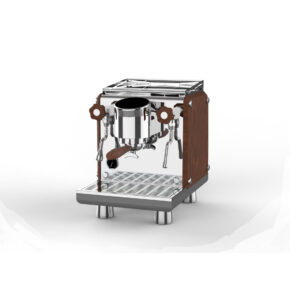
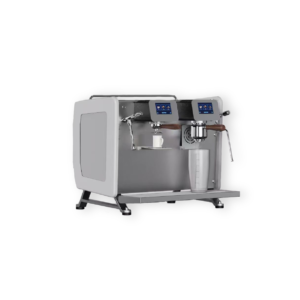
Compact commercial systems have become especially interesting for smaller operations. Westeez, for example, builds machines specifically for businesses that want genuine commercial performance without the industrial footprint that used to come with it.
Taste: Where It Gets Decisive
This is the category that should drive most café decisions, and it’s not particularly close. Pod coffee is consistent, but consistency at a mediocre baseline isn’t a selling point. Coffee sealed in a capsule loses freshness over time, and no amount of engineering fully compensates for that.
Commercial espresso machines pull directly from fresh grounds, which means richer crema, more complex flavor, and a texture that pod systems genuinely can’t replicate. If you’re trying to build a reputation for good coffee — or charge what good coffee is worth — a pod system is going to work against you.
Cost: Look at the Full Picture
Pod systems look cheaper until you run the numbers over a full year of service. The per-cup cost of capsules is significantly higher than fresh beans, and that gap compounds fast in a high-volume environment. Proprietary capsule formats also lock you into specific suppliers, which removes your ability to negotiate or switch.
Commercial machines require a real upfront investment — equipment, a grinder, some staff training time. But once that’s done, your ongoing cost per cup drops considerably. For any café doing meaningful daily volume, that math tends to favor the espresso machine fairly quickly.
Workflow: Busier Than You Think
Pod machines handle low-traffic situations well. For a slow Tuesday morning with one customer every 20 minutes, they’re perfectly functional. The problems show up during a real rush — consecutive drink orders, milk steaming for multiple lattes, back-to-back cappuccinos. Pod systems weren’t designed for that, and it shows.
Professional espresso machines are built for exactly that kind of continuous pressure. Fast heating, stable extraction, strong steam wands that can handle volume — that’s the design brief. Westeez Commercial Coffee Solutions specifically targets small cafés, boutique restaurants, dessert shops, and hotel breakfast bars with this in mind: compact enough to fit the space, capable enough to handle the service.
So Which One Do You Actually Need?
If coffee is an afterthought — a self-service station in a waiting room, a basic amenity for hotel guests — pod systems are fine. They do that job competently and without fuss.
But if you’re running a café, a specialty coffee shop, or any restaurant where beverages are part of your identity, a commercial espresso machine isn’t really optional. It’s the baseline for being taken seriously. The question becomes which one fits your space and volume, not whether you need one at all.
The good news is that compact commercial machines have made this decision a lot easier for smaller operations. You no longer have to choose between professional quality and a realistic kitchen footprint. The Westeez Official Store is worth exploring if you’re in that category — machines built for businesses that want real espresso performance without building their entire space around the equipment.
The Bottom Line
Pod systems and commercial espresso machines are solving different problems. One is about convenience; the other is about coffee. Most cafés need the latter, even if the former feels easier to start with.
In 2026, customer expectations around coffee quality are genuinely higher than they were five years ago. People know what a good espresso tastes like, and they notice when something falls short. Getting the equipment right is one of the cleaner ways to make sure that’s not a conversation you’re having with your customers.

Add comment
You must be logged in to post a comment.