

No products in the cart.
Commercial Espresso Machine Maintenance Checklist for Coffee Shops
Running a successful coffee shop requires more than serving great coffee. Your commercial espresso machine is the heart of your business, and even a small maintenance issue can lead to inconsistent coffee quality, expensive repairs, or unexpected downtime.
Whether you operate a small café, restaurant, hotel, or coffee kiosk, following a proper maintenance routine will extend the life of your equipment, improve beverage consistency, and reduce operating costs.
If you’re still selecting equipment for your business, check out our guide on How to Choose a Commercial Espresso Machine for a Small Café before investing in new equipment.
Why Espresso Machine Maintenance Matters
A commercial espresso machine can prepare hundreds of cups every day. Without regular cleaning and preventive maintenance, coffee oils, mineral deposits, and milk residue gradually build up inside the machine.
Poor maintenance may result in:
- Inconsistent extraction
- Weak steam pressure
- Bitter or burnt coffee
- Higher electricity consumption
- Expensive repair bills
- Shorter machine lifespan
According to the Specialty Coffee Association (SCA), routine cleaning and preventive maintenance are essential for maintaining espresso quality and ensuring food safety.
Reference:
https://sca.coffee
Daily Espresso Machine Maintenance Checklist
1. Clean the Group Heads
Coffee residue builds up inside the group head after every extraction.
Daily cleaning helps:
- Maintain stable brewing temperature
- Improve extraction consistency
- Prevent bitter flavors
Backflush each group head with clean water at the end of every working day.
For machines using cleaning detergent, always follow the manufacturer’s recommendations.
2. Clean the Portafilters and Filter Baskets
Portafilters collect coffee oils throughout the day.
Every evening:
- Remove baskets
- Soak them in espresso machine cleaner
- Rinse thoroughly
- Dry before reinstalling
Dirty portafilters are one of the most common reasons for unpleasant coffee flavors.
3. Purge and Wipe the Steam Wand
Milk residue hardens quickly.
After every drink:
- Purge steam for 2–3 seconds
- Wipe with a clean damp cloth
At closing:
Deep clean the steam wand using an approved milk system cleaner.
The NSF (National Sanitation Foundation) also recommends cleaning food-contact equipment daily to reduce bacterial growth.
Reference:
4. Empty and Wash the Drip Tray
The drip tray collects:
- Coffee residue
- Water
- Milk
- Grounds
Ignoring it can create unpleasant odors and bacteria.
Wash it daily using warm water and food-safe detergent.
5. Clean the Grinder
Many coffee shops focus only on the espresso machine but forget the grinder.
Old coffee grounds quickly become stale.
Daily tasks:
- Brush burrs
- Empty leftover beans
- Remove loose grounds
If you’re choosing between commercial and domestic grinders, read our comparison:
Commercial Coffee Grinder vs Home Grinder: What’s the Difference?
Weekly Maintenance Checklist
Backflush with Espresso Machine Cleaner
Plain water removes loose coffee residue.
Cleaning powder removes:
- Coffee oils
- Carbon buildup
- Internal deposits
One of the most trusted cleaning brands is Urnex, whose products are widely used by professional cafés worldwide.
Reference:
Check Water Filters
Water quality has a direct impact on machine longevity.
Hard water causes scale buildup inside:
- Boilers
- Pipes
- Solenoid valves
Replacing water filters on schedule significantly reduces maintenance costs.
Inspect Gaskets
Group head gaskets wear naturally.
Signs of wear include:
- Water leaking around the portafilter
- Difficulty locking the portafilter
- Reduced extraction pressure
Replacing inexpensive gaskets early helps prevent more expensive repairs later.
Clean Bean Hoppers
Coffee beans release oils that coat hopper walls.
Wash bean hoppers weekly using warm water.
Allow them to dry completely before refilling.
Inspect Steam Pressure
Steam pressure should remain stable.
If milk suddenly takes much longer to foam, inspect:
- Steam tips
- Boiler pressure
- Scale buildup
Monthly Maintenance Checklist
While daily and weekly cleaning keeps your espresso machine running smoothly, monthly maintenance helps prevent long-term wear and costly breakdowns.
Descale the Boiler (If Required)
Mineral deposits gradually build up inside the boiler, especially in areas with hard water.
Signs your machine may need descaling include:
- Longer heat-up times
- Reduced steam power
- Inconsistent brewing temperature
- Higher energy consumption
Always follow your manufacturer’s recommendations before descaling, as some commercial machines require professional servicing.
Inspect Water Connections
Check all hoses and fittings for:
- Water leaks
- Loose connections
- Corrosion
- Signs of wear
Even a small leak can increase water consumption and eventually damage internal components.
Check Pump Pressure
Commercial espresso machines typically operate around 9 bars of brewing pressure.
If you notice:
- Slow extraction
- Weak espresso
- Inconsistent shot times
it’s time to inspect the pump and pressure settings.
Inspect Electrical Components
Ensure that:
- Power cables are undamaged
- Switches function correctly
- Indicator lights operate normally
- Heating elements reach proper temperature
Never attempt electrical repairs unless qualified. Contact your equipment supplier if electrical issues are suspected.
Signs Your Commercial Espresso Machine Needs Professional Service
Routine maintenance can prevent many issues, but some warning signs require immediate attention.
Watch for:
Water Leaks
Leaks around the group head, steam wand, or internal plumbing should never be ignored.
Unstable Brewing Temperature
Temperature fluctuations often indicate problems with the boiler, heating element, or temperature sensor.
Low Steam Pressure
Weak steam can result from:
- Scale buildup
- Blocked steam tips
- Boiler problems
- Pressure valve issues
Strange Noises
Grinding, knocking, or unusual pump noises may indicate mechanical wear.
Burnt Coffee Taste
If cleaning doesn’t solve the issue, worn group head seals or clogged internal passages may be affecting extraction quality.
Recommended Preventive Maintenance Schedule
| Maintenance Task | Frequency |
|---|---|
| Purge Steam Wand | After Every Drink |
| Wipe Steam Wand | After Every Drink |
| Clean Portafilters | Daily |
| Clean Group Heads | Daily |
| Wash Drip Tray | Daily |
| Brush Grinder | Daily |
| Backflush with Water | Daily |
| Backflush with Cleaner | Weekly |
| Clean Bean Hopper | Weekly |
| Inspect Gaskets | Weekly |
| Check Water Filter | Monthly |
| Inspect Pump Pressure | Monthly |
| Inspect Water Lines | Monthly |
| Professional Service | Every 6–12 Months |
Following this schedule can significantly reduce repair costs and improve equipment reliability.
Choosing a Machine That Is Easy to Maintain
Maintenance begins before you even purchase your equipment.
When comparing machines, look for features such as:
- Easy-access internal components
- Durable stainless steel construction
- Commercial rotary or vibration pumps
- Reliable dual-boiler systems
- Readily available replacement parts
- Responsive after-sales support
If you’re still comparing equipment before purchasing, read our guide Best Coffee Machine for Small Business in 2026 for recommendations based on café size and daily cup volume.
Businesses sourcing equipment internationally may also find our guide Buying Coffee Equipment from China: A Complete Guide for Café Owners helpful when selecting reliable manufacturers.
Why Coffee Businesses Choose Westeez
At Westeez, we understand that commercial coffee equipment is a long-term investment.
Our machines are designed with durability, ease of maintenance, and stable performance in mind.
Whether you’re operating a neighborhood café or a high-volume restaurant, Westeez offers commercial espresso machines that help reduce downtime while maintaining consistent coffee quality.
Popular models include:
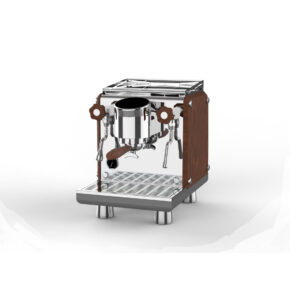
- Westeez KY-miniA3 Single Group Espresso Machine
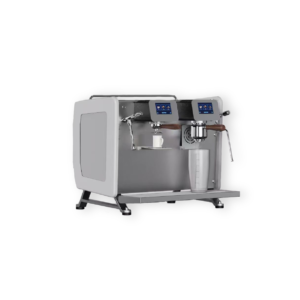
- Westeez JC-128 Commercial Double Group Espresso Machine
Both models feature commercial-grade components, reliable temperature stability, and easy daily maintenance for busy coffee businesses.
Final Thoughts
Regular maintenance isn’t just about preventing repairs—it’s about protecting your investment and ensuring every customer enjoys a consistently excellent cup of coffee.
By following a simple daily, weekly, and monthly maintenance routine, coffee shop owners can reduce downtime, extend equipment lifespan, and improve operational efficiency.
Whether you’re purchasing your first commercial espresso machine or upgrading your current setup, investing in reliable equipment and maintaining it properly will pay dividends for years to come.
Frequently Asked Questions
How often should a commercial espresso machine be cleaned?
Basic cleaning should be performed every day, while deep cleaning and preventive maintenance should be completed weekly and monthly depending on usage.
How often should I replace the water filter?
Most commercial cafés replace water filters every 3–6 months, depending on local water quality and daily usage.
Can poor maintenance affect coffee taste?
Yes. Coffee oils, mineral deposits, and milk residue can significantly impact extraction quality and flavor if not cleaned regularly.
How long should a commercial espresso machine last?
A well-maintained commercial espresso machine can typically operate reliably for 10–15 years or more, depending on build quality and usage.
When should I contact a professional technician?
If your machine develops water leaks, unstable temperatures, unusual noises, electrical faults, or persistent pressure issues, professional servicing is recommended.
Ready to Keep Your Coffee Business Running Smoothly?
Proper maintenance is only one part of long-term success. Choosing reliable commercial equipment from the start makes daily operation easier and reduces repair costs over time.
Explore the Westeez range of commercial espresso machines to find equipment designed for durability, consistent performance, and easy maintenance for cafés, restaurants, hotels, and coffee businesses worldwide.

4 comments
Pingback:
Commercial Espresso Machine Features That Actually Matter for Café OwnersPingback:
How Much Counter Space Does a Coffee Shop Need for an Espresso Machine Setup?Pingback:
Why Is My Commercial Espresso Machine Losing Pressure?Pingback:
How Long Does a Commercial Espresso Machine Last? Lifespan & Maintenance Guide