

No products in the cart.
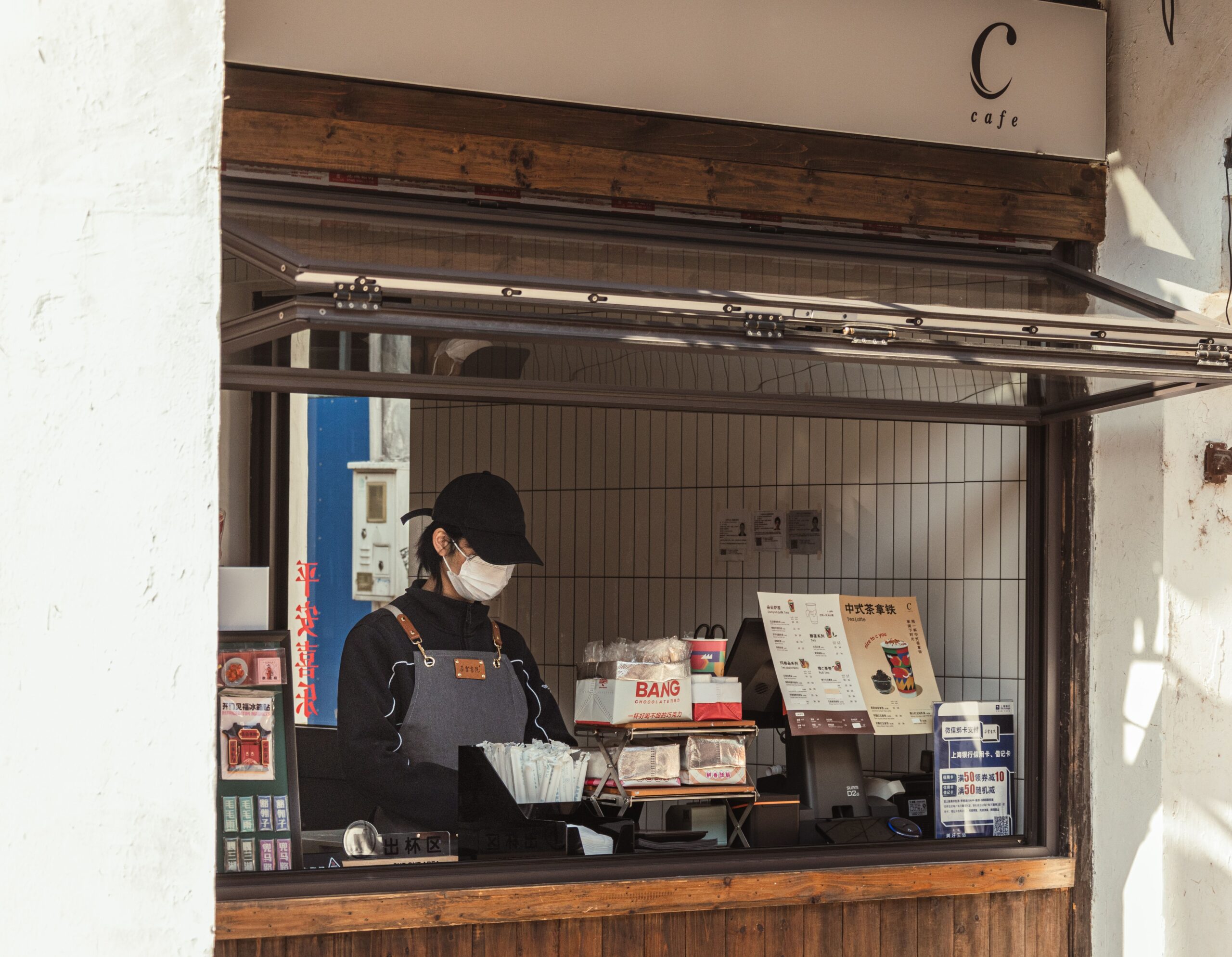
Coffee Shop Workflow Design: How Espresso Machine Placement Affects Efficiency
Running a successful coffee shop is not only about choosing high-quality coffee beans or having skilled baristas. The layout of your café, especially the placement of your espresso machine, can directly affect speed, customer experience, and daily operating costs.
Many café owners focus on the equipment itself but overlook an important factor: how the espresso machine fits into the workflow of the entire coffee bar.
A well-designed coffee shop workflow allows baristas to move naturally between grinding, brewing, steaming milk, preparing drinks, and serving customers without unnecessary steps.
Why Espresso Machine Placement Matters in Coffee Shops
The espresso machine is usually the center of a coffee bar. Every major drink preparation process connects with this equipment.
If the machine is placed incorrectly, baristas may need to repeatedly walk back and forth between:
- Coffee grinders
- Milk refrigerators
- Cups and accessories
- POS systems
- Pickup counters
These small movements may seem insignificant, but during busy hours they can create delays and reduce the number of drinks your team can produce.
For high-volume cafés, optimizing the espresso station layout can improve efficiency and create a smoother customer experience.
Create a Barista-Friendly Coffee Station Layout
A professional coffee bar usually follows a logical workflow:
Storage → Grinding → Brewing → Milk Preparation → Finishing → Customer Pickup
Your espresso machine should be positioned in the center of this workflow.
For example:
- The grinder should be directly beside the espresso machine.
- Milk storage should be within easy reach.
- Cups should be stored above or near the brewing area.
- The payment and pickup area should not interrupt drink preparation.
This reduces unnecessary movement and helps baristas maintain consistency during peak hours.
When selecting equipment, café owners should also consider whether their machine size matches their available workspace. A large commercial machine may provide higher capacity, but it requires proper counter space and workflow planning.
For businesses choosing equipment, our guide on how to choose the right commercial espresso machine for your café explains how different machine types match different café environments.
Avoid Common Espresso Machine Placement Mistakes
Many new coffee shops make layout decisions based only on appearance rather than operational efficiency.
Here are some common mistakes:
1. Placing the Espresso Machine Too Far From the Grinder
Freshly ground coffee should move directly into the espresso machine.
A long distance between the grinder and machine increases unnecessary movement and slows preparation.
2. Blocking the Customer Flow
Some cafés place the espresso station close to the entrance or pickup counter because it looks attractive.
However, customer traffic can interrupt baristas and create congestion.
A good layout separates:
- Customer movement areas
- Ordering areas
- Drink preparation areas
3. Ignoring Future Growth
A small coffee shop may start with limited equipment, but business growth can quickly change workflow requirements.
When planning your bar design, consider:
- Additional grinders
- Extra refrigeration
- More staff during busy periods
- Higher drink volume
Choosing flexible equipment helps cafés adapt as demand increases.
Match Espresso Machine Capacity With Your Workflow
Espresso machine placement should also consider production capacity.
A small café serving dozens of drinks per day may only need a compact setup.
However, busy cafés, restaurants, and hospitality businesses often require professional equipment designed for continuous operation.
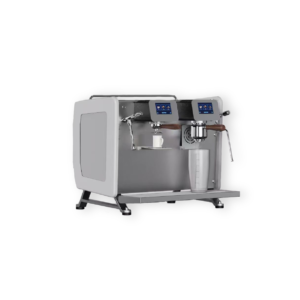
For example, a commercial espresso machine with multiple groups allows several drinks to be prepared simultaneously, reducing waiting times during peak periods.
You can learn more about machine capacity planning in our article Commercial Espresso Machine Features That Actually Matter for Café Owners.
The right combination of machine capacity and workspace design creates a more efficient coffee preparation environment.
Consider Ergonomics for Long-Term Barista Performance
Baristas often spend several hours every day behind the espresso machine.
Poor equipment placement can lead to:
- Excessive walking
- Repetitive movements
- Slower preparation speed
- Increased physical fatigue
An ergonomic coffee station keeps essential tools within arm’s reach.
A practical setup usually places:
- Espresso machine in the center
- Grinder next to the machine
- Knock box below the workflow area
- Milk and tools nearby
- Cleaning supplies accessible but separated from preparation areas
This creates a comfortable working environment while maintaining fast service.
Espresso Machine Placement and Customer Experience
Workflow efficiency does not only benefit employees.
Customers also notice:
- Faster service
- Shorter waiting times
- Better drink consistency
- Cleaner café operations
A well-designed coffee bar allows customers to see professional preparation while keeping the workspace organized.
This is especially important for specialty coffee shops where customers value both quality and experience.
Final Thoughts: Design Your Coffee Shop Around Your Workflow
Choosing an espresso machine is an important investment, but placement is equally important.
The best coffee shop layouts are designed around movement efficiency. A properly positioned espresso machine helps baristas work faster, reduces operational friction, and improves customer satisfaction.
Before purchasing equipment, café owners should evaluate:
- Available counter space
- Expected drink volume
- Staff workflow
- Customer movement
- Future expansion plans
A smart coffee shop workflow design ensures that your espresso machine becomes a productivity tool rather than a workspace limitation.
For more guidance on selecting professional coffee equipment, explore Westeez commercial espresso machines designed for cafés, restaurants, and hospitality businesses.


2 comments
Pingback:
Commercial Espresso Machine Installation Guide for Cafés: Setup Requirements & TipsPingback:
Single Group vs Two Group Espresso Machine: Which Is Best for Your Café?