

No products in the cart.
Commercial Espresso Machine Installation Guide: What Café Owners Need to Know Before Setup
Opening a coffee shop requires more than selecting the right espresso machine. Many café owners focus on machine capacity, price, and brewing quality, but installation planning is equally important.
A commercial espresso machine is the center of a café’s workflow. The way it is installed affects service speed, coffee consistency, maintenance costs, and the overall customer experience.
Before purchasing or installing professional coffee equipment, café owners should consider workspace design, electrical requirements, water quality, and daily operating needs.
1. Evaluate Your Café Space Before Installing a Commercial Espresso Machine
The first step in any espresso machine installation is understanding your available workspace.
Commercial espresso machines are significantly larger and more powerful than home models. They require enough counter space for:
- Espresso machine placement
- Coffee grinder positioning
- Milk preparation
- Cleaning equipment
- Barista movement
A poorly designed espresso station can slow down service and create unnecessary movement during busy hours.
For example, placing the grinder too far away from the espresso machine forces baristas to repeat unnecessary steps throughout the day.
A well-planned layout improves efficiency and helps cafés maintain consistent drink quality.
For more ideas about optimizing café layouts, read our guide on Coffee Shop Workflow Design: How Espresso Machine Placement Affects Efficiency.
2. Check Electrical Requirements Before Installation
One of the biggest differences between commercial and home espresso machines is power requirements.
Professional machines are designed for continuous operation and often require stronger electrical support.
Before installation, café owners should check:
- Voltage compatibility
- Power outlet location
- Electrical capacity
- Safety protection
Incorrect electrical installation may cause:
- Heating problems
- Machine interruptions
- Reduced performance
- Unexpected repair costs
When choosing equipment for a café, understanding technical requirements before purchase can prevent expensive mistakes.
Westeez offers professional coffee equipment solutions designed for cafés, restaurants, and hospitality businesses, including the Westeez Commercial Espresso Machine Collection.
3. Plan Water Supply and Filtration Before Setup
Water quality has a direct impact on espresso flavor and equipment durability.
Since espresso is mostly water, mineral balance and filtration quality influence:
- Coffee taste
- Boiler performance
- Scale buildup
- Maintenance frequency
Before installing a commercial espresso machine, cafés should consider:
- Water filtration systems
- Water pressure
- Mineral content
- Cleaning schedules
The Specialty Coffee Association (SCA) Coffee Resources provides professional information about coffee quality standards, brewing practices, and industry education.
Using proper water treatment helps protect expensive equipment and maintain consistent espresso quality.
4. Design Your Espresso Station Around Barista Workflow
A successful installation is not only about making the machine operate — it is about creating an efficient working environment.
A professional espresso station should allow baristas to move smoothly between:
- Grinding coffee beans
- Preparing espresso shots
- Steaming milk
- Serving customers
- Cleaning equipment
During peak hours, even small workflow problems can reduce service speed.
For cafés with high customer volume, machine configuration is also important.
A small coffee shop may only need a compact single-group machine, while busy locations may benefit from a two-group commercial espresso machine.
Westeez provides different commercial solutions, including:
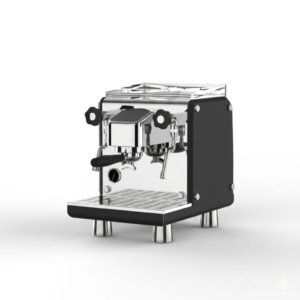
- Westeez KY Minia6 Single Group Espresso Machine for Small Cafés
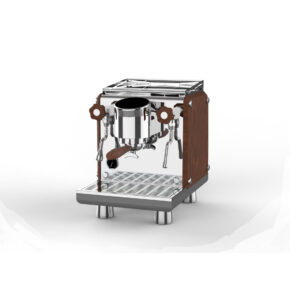
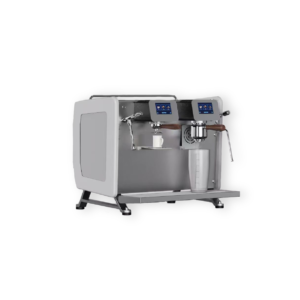
- Westeez KY-228 Two Group Commercial Espresso Machine for High Volume Coffee Shops
Choosing the correct machine size helps businesses balance investment cost and future growth.
5. Professional Installation vs DIY Setup
Some new café owners consider installing equipment themselves to reduce startup costs.
However, commercial espresso machines involve more than simply placing the machine on a counter.
Installation may include:
- Plumbing connections
- Electrical setup
- Water pressure adjustment
- Machine calibration
Professional installation helps reduce risks such as:
- Water leakage
- Incorrect pressure settings
- Equipment damage
- Warranty problems
For businesses investing in professional coffee equipment, proper installation is a long-term investment.
Many leading espresso machine manufacturers also emphasize correct installation and maintenance procedures. For example, La Marzocco professional espresso machine information provides insights into commercial espresso equipment standards and operation.
6. Test Your Espresso Machine Before Opening
Before serving customers, café owners should perform complete testing.
Important checks include:
Water System
Confirm:
- Stable water pressure
- Proper filtration
- No leakage
Espresso Performance
Check:
- Extraction time
- Brewing temperature
- Grinder adjustment
Workflow Testing
Allow baristas to simulate busy periods and identify potential problems.
Testing before opening helps avoid operational issues and ensures the café is ready for customers.
7. Maintenance Planning After Installation
Installation is only the beginning of owning a commercial espresso machine.
Regular maintenance extends equipment lifespan and protects your investment.
Café owners should create a maintenance routine covering:
- Daily cleaning
- Backflushing
- Grinder adjustment
- Water filter replacement
- Professional servicing
A proper maintenance schedule can prevent unexpected downtime during busy business hours.
You can also review our detailed checklist:
Commercial Espresso Machine Maintenance Checklist for Coffee Shops
Conclusion: A Proper Installation Creates a Better Café Operation
A commercial espresso machine is one of the most important investments for any coffee business.
Successful installation requires more than connecting the machine and turning it on. Café owners need to consider:
- Workspace design
- Electrical requirements
- Water quality
- Workflow efficiency
- Long-term maintenance
By planning installation carefully, cafés can improve service speed, maintain consistent coffee quality, and maximize the value of their equipment investment.
Westeez provides professional espresso solutions for cafés, restaurants, and businesses looking for reliable commercial coffee equipment.
Explore our complete range of Commercial Espresso Machines for Coffee Shops and Restaurants.


Add comment
You must be logged in to post a comment.