

No products in the cart.
Coffee Shop Equipment Checklist: Everything You Need to Open a Café in 2026
Opening a café is one of those business decisions that feels deceptively simple from the outside. You need coffee, a space, and customers. The reality is a bit more involved — and the equipment decisions you make before you open will shape your workflow, your drink quality, and your maintenance costs for years. Get them right early and you’re building on solid ground. Get them wrong and you’ll spend the first year fixing problems that didn’t need to exist.
This checklist covers what you actually need, why each piece matters, and where new café owners most commonly go wrong.
The Espresso Machine: Get This One Right
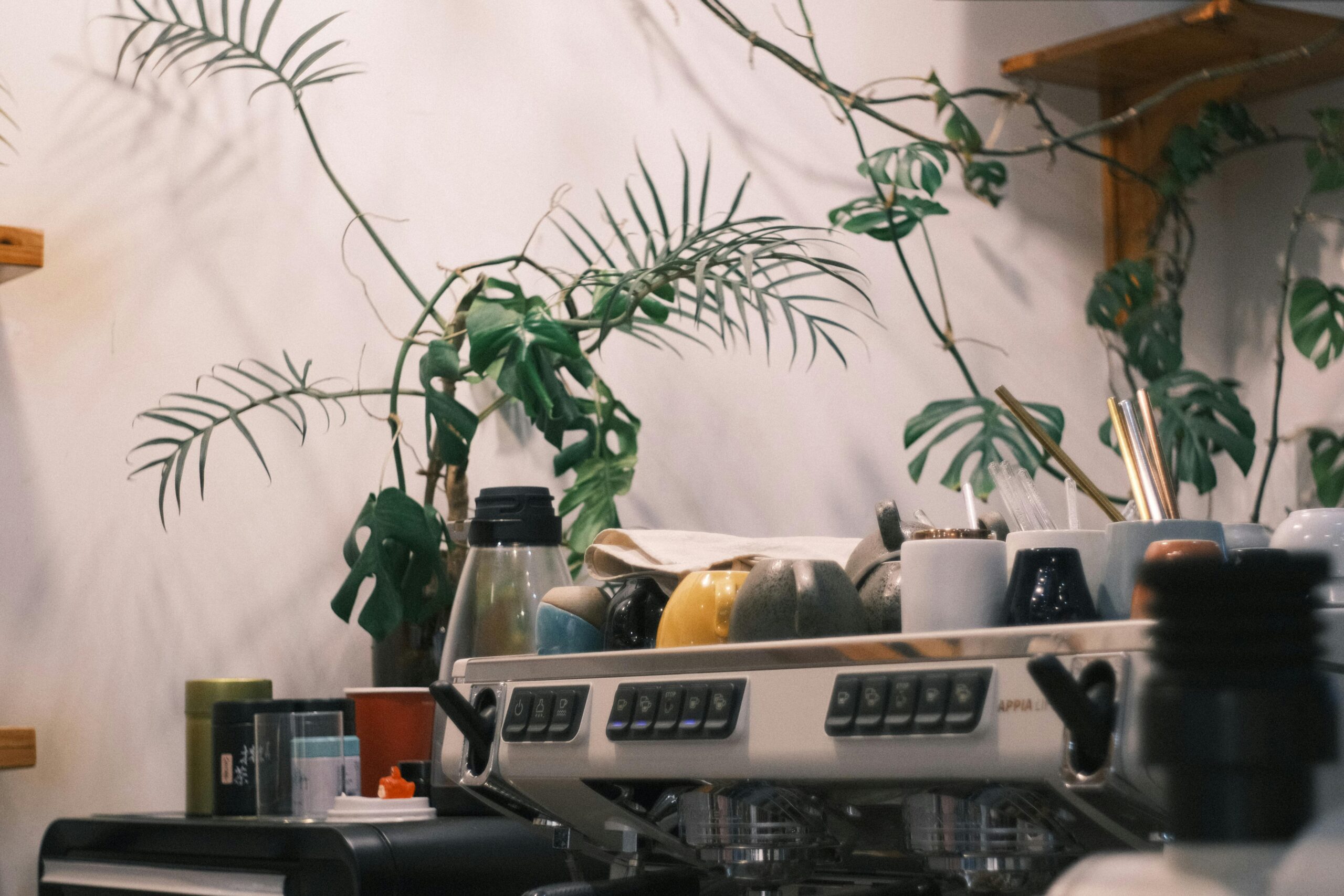
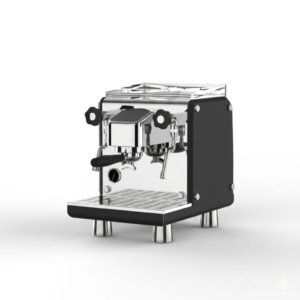
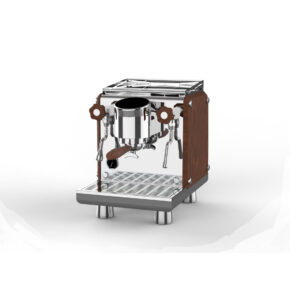
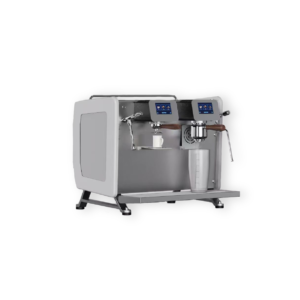
Everything else on this list is secondary to the espresso machine. It’s the piece of equipment that defines your drink quality, determines how fast your service moves during a rush, and sets the ceiling on what your café can deliver. A commercial espresso machine should offer consistent extraction, reliable steam performance, stable temperature control, and fast recovery time — not because those are impressive specs, but because each one has a direct operational consequence when you’re busy.
For cafés expecting moderate to high drink volume, commercial-grade equipment is the practical long-term choice. Consumer machines pushed into commercial use wear out fast and fail at the worst moments. If you’re still comparing options, our guide What Coffee Machine Is Best for Restaurants? walks through the most suitable solutions for different business types, and the commercial machine collection at https://westeez.com/ is worth browsing for current options.
The Grinder: Don’t Underbudget This
A lot of new café owners put serious thought into the espresso machine and then buy whatever grinder fits the remaining budget. That’s a mistake. Freshly ground coffee is foundational to espresso quality, and an inconsistent grinder will undermine an excellent machine every single time. Look for adjustable grind settings, consistent particle size, commercial durability, and easy cleaning — the last one matters more than it seems when you’re cleaning equipment at the end of a long day.
If you’re still deciding between a full espresso setup and a single-serve system, Single-Serve Coffee Systems vs Commercial Espresso Machines: Which Is Better For Your Café? covers that comparison in detail.
Batch Brewer: Useful More Often Than You’d Think
Even espresso-focused cafés benefit from having a commercial batch brewer. Not every customer wants an espresso drink, brewed coffee can move faster during peak periods, and having the option expands your menu without adding significant complexity. It reduces wait times, maintains consistency across a high-traffic morning, and increases serving capacity without demanding more from your espresso station.
Milk and Beverage Equipment
If lattes, cappuccinos, flat whites, and mochas are on your menu — and they almost certainly will be — steam performance becomes critical. Most quality commercial espresso machines include powerful steam wands built for continuous service, but it’s worth confirming this before purchasing rather than assuming. Steam performance that works fine at low volume can become a bottleneck as you scale.
Blenders are worth including if your menu extends to frappes, smoothies, or frozen beverages. They’re not essential for every café, but they expand your beverage range and can meaningfully increase average order value.
Water Filtration: The Most Overlooked Item on This List
Ask most new café owners what’s on their equipment list and water filtration comes up last, if at all. This is a consistent blind spot, and it’s an expensive one. Water quality directly affects coffee flavor and is one of the leading causes of premature equipment failure — scale buildup damages boilers, reduces heating efficiency, and drives up maintenance costs in ways that are entirely preventable.
The Specialty Coffee Association identifies water quality as one of the most important factors in both coffee flavor and equipment performance. The National Coffee Association echoes this. A proper filtration system is genuinely one of the best investments you can make alongside the machine itself. If you want to understand how much maintenance and water quality affect long-term equipment life, How Long Do Commercial Espresso Machines Last? covers that in detail.
Food Prep, POS, and the Rest
If you’re serving food — even just pastries and sandwiches — you’ll need refrigeration, display cases, and probably a toaster or panini press at minimum. The specifics depend on your menu, but don’t underestimate how much prep space and storage food service requires, even at small scale.
A reliable POS system isn’t glamorous, but it matters operationally. Order processing, inventory tracking, sales reporting, customer management — a good system handles all of this and removes friction from daily operations in ways that compound over time.
Furniture and seating are easy to underbudget. A comfortable environment keeps customers longer, and longer stays tend to mean higher average spend. Tables, chairs, bar stools, outdoor seating if you have it, clear menu boards — these details add up in terms of how people experience the space.
Cleaning supplies round out the list: brushes, espresso machine cleaner, descaling solution, sanitizing products, cloths. This isn’t exciting, but regular cleaning is what separates equipment that lasts seven years from equipment that lasts fifteen.
Quick Reference Checklist
Before opening, you should have covered:
- Commercial espresso machine
- Coffee grinder
- Batch coffee brewer
- Water filtration system
- Refrigeration equipment
- Blender (if your menu calls for it)
- POS system
- Furniture and seating
- Cleaning and maintenance supplies
- Food prep equipment (menu-dependent)
- Storage and organization tools
The Mistakes Worth Avoiding
A few patterns come up repeatedly with new café owners. Underestimating daily drink volume leads to buying a machine that’s already at capacity on a busy Saturday. Buying on price alone without considering maintenance requirements or commercial-grade durability leads to early failures. Skipping water filtration leads to scale damage and repair bills that dwarf what a filtration system would have cost. And buying consumer-grade equipment for commercial use is almost always a false economy — it’s cheaper upfront and more expensive within a year.
Is a Commercial Espresso Machine Worth It for Small Cafés? addresses this directly if you’re still weighing the investment.
The Bottom Line
Good equipment won’t make a bad café successful, but bad equipment will make a good café harder to run than it needs to be. The decisions you make before you open set the conditions for everything that follows — your workflow efficiency, your drink consistency, your staff’s ability to keep up during a rush, and your maintenance costs over the next decade.
Buy commercial-grade from the start, maintain it properly, and treat water filtration as essential rather than optional. The rest becomes a lot more manageable.
For commercial espresso machines and brewing equipment, explore the full collection at https://westeez.com/.
3 comments
Pingback:
Common Coffee Shop Equipment Mistakes New Café Owners Make (And How to Avoid Them)Pingback:
How Much Does a Commercial Espresso Machine Cost in 2026? A Complete Buyer's GuidePingback:
Best Coffee Machine for Small Business: Complete Buyer's Guide for 2026